THE ADVENTURE COLLECTIVE® · Independent discovery and booking for outdoor travel

A long day from Agadir to Marrakech that packs the Koutoubia Mosque, winding medina lanes, and the theatrical energy of Jemaa el‑Fna into one guided experience. Expect 13 hours of travel, walking on cobbles, and time to shop and eat in the city’s best rooftop viewpoints.
A long day from Agadir to Marrakech that packs the Koutoubia Mosque, winding medina lanes, and the theatrical energy of Jemaa el‑Fna into one guided experience. Expect 13 hours of travel, walking on cobbles, and time to shop and eat in the city’s best rooftop viewpoints.
A fat orange sun rises over the Atlantic as the coach pulls out of Agadir, and the road slips into the warm plains that feed Marrakech. By midmorning the city appears—mud-brick walls catching light, minaret shadows tracing narrow alleys. The guide drops travelers at the Koutoubia garden; the mosque’s 12th‑century minaret watches over the city like a measured clock, and beyond it the medina hums: spice stalls bloom with color, performers thread through the square, and rooftop cafés offer clear views of the organized chaos.
Verified experiences and guided adventures in the surrounding area.
Operated by Abdoul Agadir · Marrakech, Marrakech-Safi
A fat orange sun rises over the Atlantic as the coach pulls out of Agadir, and the road slips into the warm plains that feed Marrakech. By midmorning the city appears—mud-brick walls catching light, minaret shadows tracing narrow alleys. The guide drops travelers at the Koutoubia garden; the mosque’s 12th‑century minaret watches over the city like a measured clock, and beyond it the medina hums: spice stalls bloom with color, performers thread through the square, and rooftop cafés offer clear views of the organized chaos.
Marrakech was founded in the 11th century by the Almoravids and grew into a political and cultural hub of southern Morocco. The ochre walls are local clay, the streets follow routes worn by centuries of trade, and the medina’s crafts—metalwork, textiles, leather—reflect both Berber and Arab influences. Geologically the city sits at the northern edge of the High Atlas foothills; a dry wind often carries dust from the plains and cools as it brushes the walls.
Practically: this is a full 13‑hour day with comfortable walking on uneven cobbles and narrow alleys. Expect guided stops at Koutoubia, the Medina, and Jemaa el‑Fna with roughly two hours of free time for lunch and shopping. Bring cash, wear closed-toe shoes for cobbles and sudden steps, and plan for sun and dust—early starts are cooler, late afternoons pick up energy in the square. The trip is low‑technical but long; pace yourself, stay hydrated, and use rooftop restaurants to rest and watch the medina flow below.
Yes — the tour includes hotel pickup and drop-off within Agadir; you’ll confirm a pickup point when booking.
No — non‑Muslim visitors cannot enter the mosque interior; the guided stop focuses on the exterior, gardens and history.
No — meals are not included; you’ll have free time to choose from street food stalls or rooftop restaurants.
The operator lists wheelchair accessibility for vehicle and some areas, but medina streets are narrow and cobbled—access may be limited once on foot.
Abdoul Agadir operates guided outdoor trips and adventures with an emphasis on safety, stewardship, and memorable experiences.
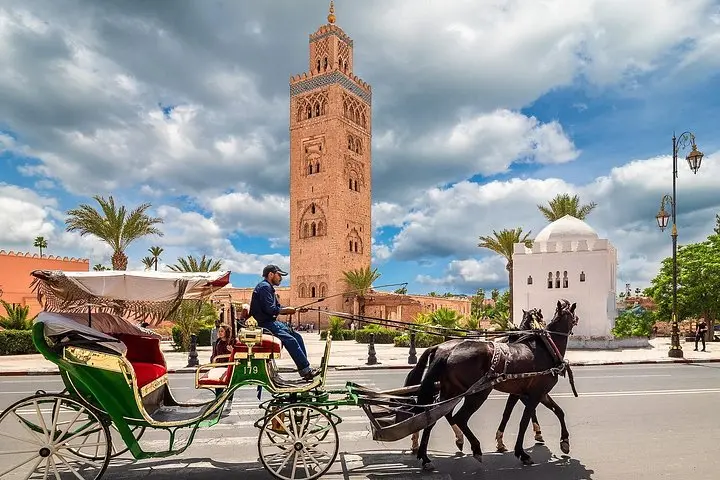
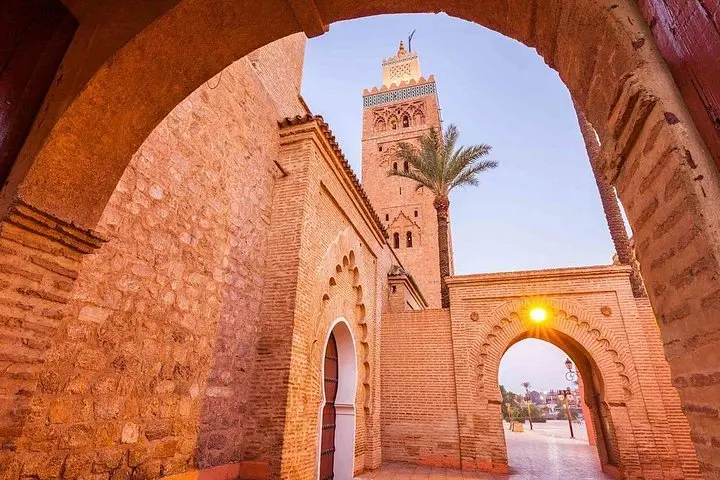
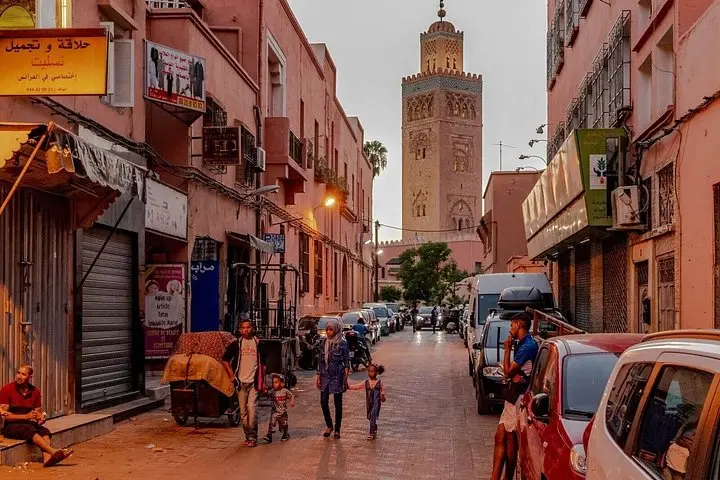
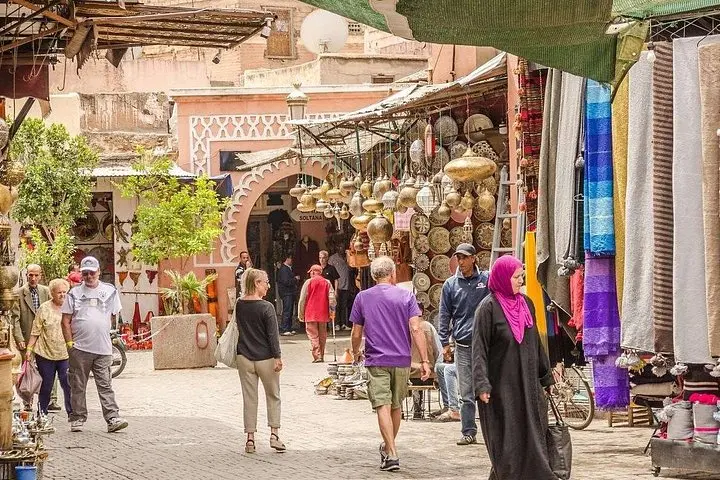
A fat orange sun rises over the Atlantic as the coach pulls out of Agadir, and the road slips into the warm plains that feed Marrakech. By midmorning the city appears—mud-brick walls catching light, minaret shadows tracing narrow alleys. The guide drops travelers at the Koutoubia garden; the mosque’s 12th‑century minaret watches over the city like a measured clock, and beyond it the medina hums: spice stalls bloom with color, performers thread through the square, and rooftop cafés offer clear views of the organized chaos.
A fat orange sun rises over the Atlantic as the coach pulls out of Agadir, and the road slips into the warm plains that feed Marrakech. By midmorning the city appears—mud-brick walls catching light, minaret shadows tracing narrow alleys. The guide drops travelers at the Koutoubia garden; the mosque’s 12th‑century minaret watches over the city like a measured clock, and beyond it the medina hums: spice stalls bloom with color, performers thread through the square, and rooftop cafés offer clear views of the organized chaos.
Marrakech was founded in the 11th century by the Almoravids and grew into a political and cultural hub of southern Morocco. The ochre walls are local clay, the streets follow routes worn by centuries of trade, and the medina’s crafts—metalwork, textiles, leather—reflect both Berber and Arab influences. Geologically the city sits at the northern edge of the High Atlas foothills; a dry wind often carries dust from the plains and cools as it brushes the walls.
Practically: this is a full 13‑hour day with comfortable walking on uneven cobbles and narrow alleys. Expect guided stops at Koutoubia, the Medina, and Jemaa el‑Fna with roughly two hours of free time for lunch and shopping. Bring cash, wear closed-toe shoes for cobbles and sudden steps, and plan for sun and dust—early starts are cooler, late afternoons pick up energy in the square. The trip is low‑technical but long; pace yourself, stay hydrated, and use rooftop restaurants to rest and watch the medina flow below.