THE ADVENTURE COLLECTIVE® · Independent discovery and booking for outdoor travel

Spend a day leaving Marrakech for the High Atlas, terraced Berber valleys, and the rocky Agafay plateau. Expect gentle village walks, mint tea with locals, and a short camel ride beneath wide desert sky.
Spend a day leaving Marrakech for the High Atlas, terraced Berber valleys, and the rocky Agafay plateau. Expect gentle village walks, mint tea with locals, and a short camel ride beneath wide desert sky.
You leave the bustle of Marrakech before dawn and the road unfurls toward the High Atlas — olive orchards slide past the window, ridgelines sharpen, and the air grows thinner and drier. By late morning the landscape has changed from irrigated valley to the stony, baked expanse of the Agafay plateau, where wind-carved sandstone and stunted scrub dare you to slow down and look.
Verified experiences and guided adventures in the surrounding area.
Operated by Marrakesh Day Tours · Marrakech, Marrakech-Safi
You leave the bustle of Marrakech before dawn and the road unfurls toward the High Atlas — olive orchards slide past the window, ridgelines sharpen, and the air grows thinner and drier. By late morning the landscape has changed from irrigated valley to the stony, baked expanse of the Agafay plateau, where wind-carved sandstone and stunted scrub dare you to slow down and look.
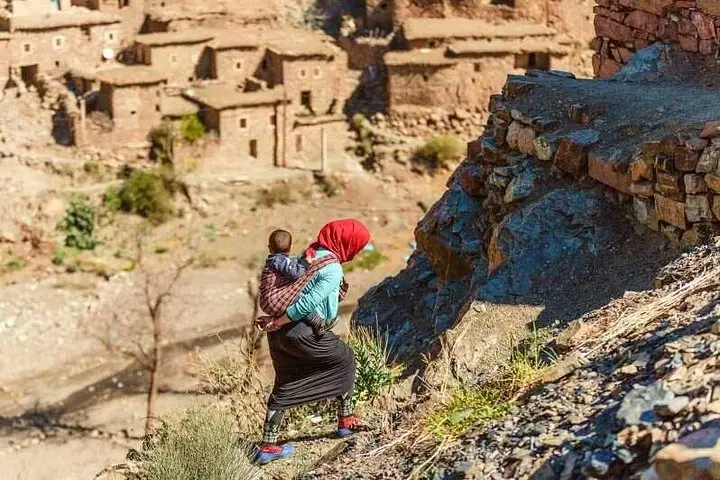
This route threads three geographic stories: the volcanic and metamorphic bones of the High Atlas, the fertile, terraced valleys where Amazigh (Berber) communities farm, and the earthen, stony plains of Agafay that mimic desert panoramas without dunes. Human history here is practical — centuries of transhumance, terraced farming, and cooperative craft that persist in weekly markets and small cooperatives run by village families.
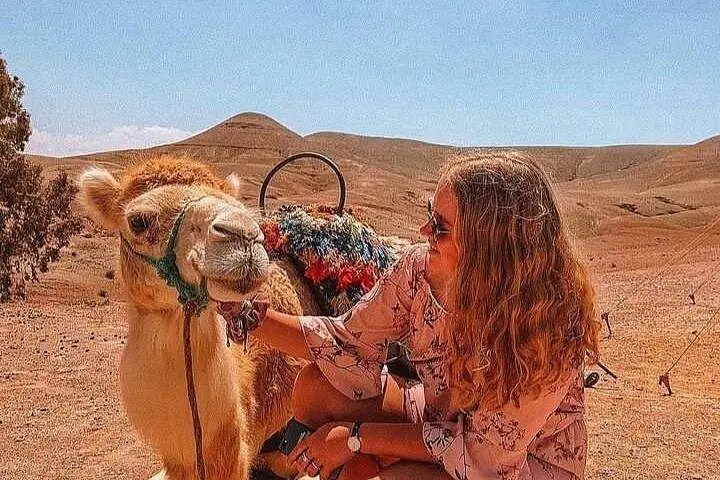
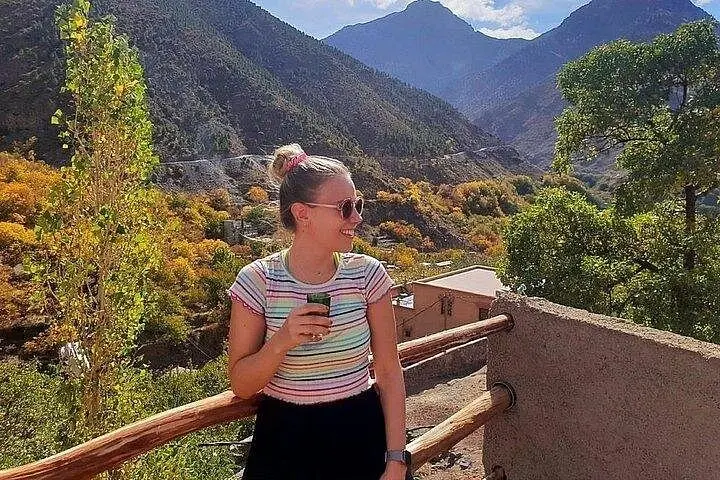
Cultural moments punctuate the drive: a stop at a Berber cooperative to learn weaving and argan processes, a short, gentle walk in Imlil past stone houses and a hidden waterfall, then mint tea on a plateau that looks out over the Takarkoust reservoir. The day finishes with a short camel ride across the Agafay’s moonlike stones as late light tightens the shadows.
Practical guidance: the tour is low-impact but sun-facing — bring layered clothing, sturdy shoes for short trails and camel saddles, and at least 1–2 liters of water. Timing matters: mornings and late afternoons are cooler and better for photos; spring brings green pasture, while summer intensifies heat on the plateau. Respect local customs at cooperative visits, tip guides modestly, and pack out any waste. This is an accessible, single-day window into Morocco’s mountain-to-plateau landscapes.
The tour is approximately 7 hours (around 420 minutes) and typically starts and ends in Marrakech with hotel pickup available.
Yes — the camel ride included is short, guided, and designed for novices and families; inform the operator of young children or mobility concerns.
The tour includes bottled water and a traditional lunch or tea experience, but confirm any dietary needs with the operator when booking.
Some parts of the route are vehicle-accessible and operators note stroller accessibility, but village walks and the camel area are uneven and may not be fully wheelchair-accessible.
Marrakesh Day Tours operates guided outdoor trips and adventures with an emphasis on safety, stewardship, and memorable experiences.
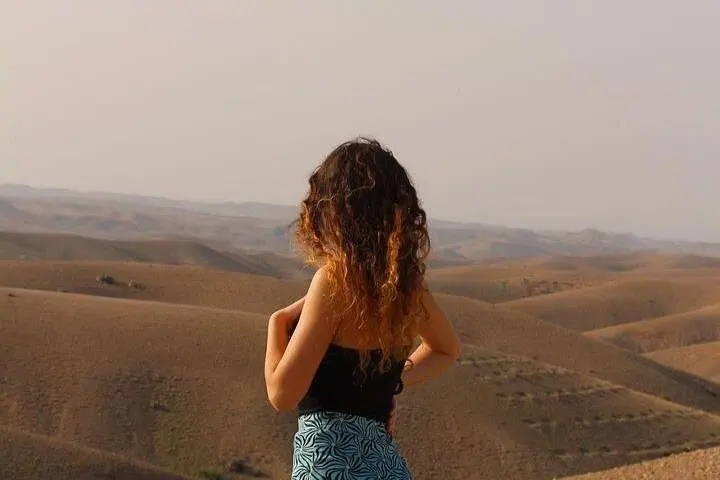
You leave the bustle of Marrakech before dawn and the road unfurls toward the High Atlas — olive orchards slide past the window, ridgelines sharpen, and the air grows thinner and drier. By late morning the landscape has changed from irrigated valley to the stony, baked expanse of the Agafay plateau, where wind-carved sandstone and stunted scrub dare you to slow down and look.
You leave the bustle of Marrakech before dawn and the road unfurls toward the High Atlas — olive orchards slide past the window, ridgelines sharpen, and the air grows thinner and drier. By late morning the landscape has changed from irrigated valley to the stony, baked expanse of the Agafay plateau, where wind-carved sandstone and stunted scrub dare you to slow down and look.
This route threads three geographic stories: the volcanic and metamorphic bones of the High Atlas, the fertile, terraced valleys where Amazigh (Berber) communities farm, and the earthen, stony plains of Agafay that mimic desert panoramas without dunes. Human history here is practical — centuries of transhumance, terraced farming, and cooperative craft that persist in weekly markets and small cooperatives run by village families.
Cultural moments punctuate the drive: a stop at a Berber cooperative to learn weaving and argan processes, a short, gentle walk in Imlil past stone houses and a hidden waterfall, then mint tea on a plateau that looks out over the Takarkoust reservoir. The day finishes with a short camel ride across the Agafay’s moonlike stones as late light tightens the shadows.
Practical guidance: the tour is low-impact but sun-facing — bring layered clothing, sturdy shoes for short trails and camel saddles, and at least 1–2 liters of water. Timing matters: mornings and late afternoons are cooler and better for photos; spring brings green pasture, while summer intensifies heat on the plateau. Respect local customs at cooperative visits, tip guides modestly, and pack out any waste. This is an accessible, single-day window into Morocco’s mountain-to-plateau landscapes.