THE ADVENTURE COLLECTIVE® · Independent discovery and booking for outdoor travel

Leave Marrakech for a full-day loop that pairs Agafay’s stony plains with the walnut-lined Imlil Valley and a chance to ride a camel. Expect easy valley walks, a family-hosted lunch option and panoramic Atlas views.
Leave Marrakech for a full-day loop that pairs Agafay’s stony plains with the walnut-lined Imlil Valley and a chance to ride a camel. Expect easy valley walks, a family-hosted lunch option and panoramic Atlas views.
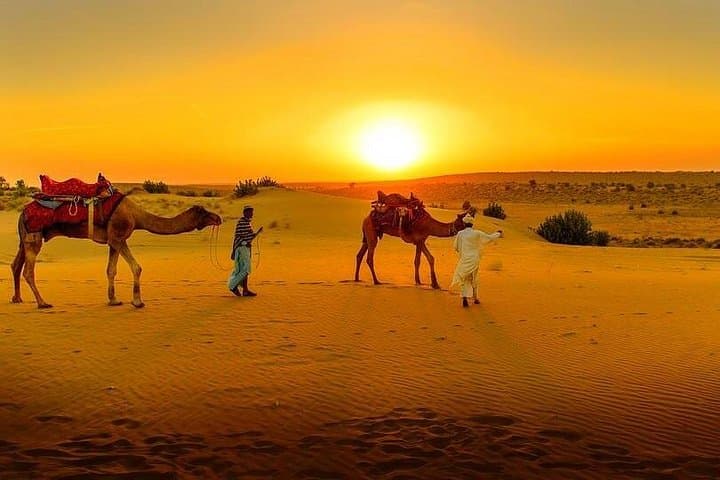
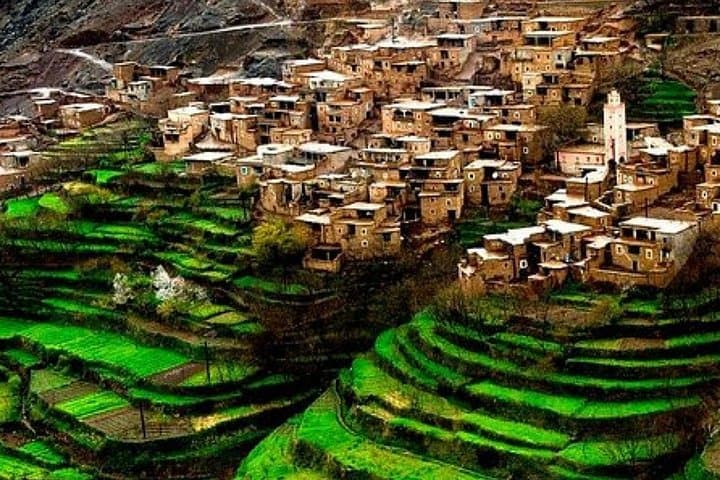
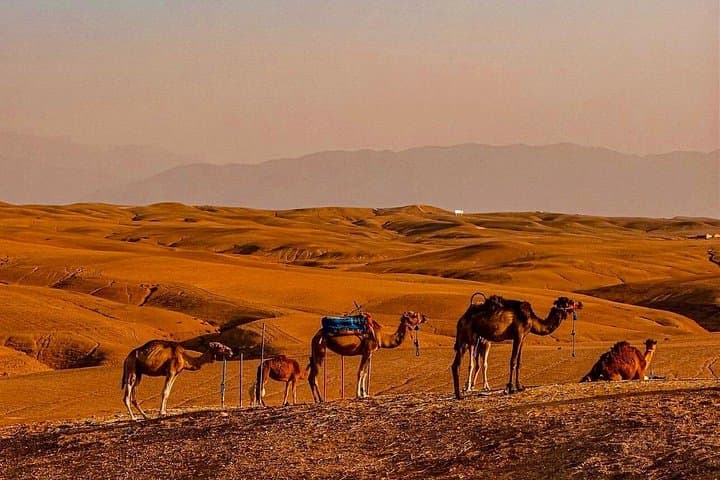
Morning light spills across ochre rock as the minivan slides out of Marrakech toward a stony plain and the sloped silhouettes of the High Atlas. The Agafay ‘‘stone desert’’ greets travelers with wind-swept ridges and low scrub; later the road climbs through terraces and walnut groves into the Imlil Valley where a narrow river dares you to follow it upstream.
Verified experiences and guided adventures in the surrounding area.
Operated by Ibrahim Amzil · Marrakech, Marrakech-Safi
Morning light spills across ochre rock as the minivan slides out of Marrakech toward a stony plain and the sloped silhouettes of the High Atlas. The Agafay ‘‘stone desert’’ greets travelers with wind-swept ridges and low scrub; later the road climbs through terraces and walnut groves into the Imlil Valley where a narrow river dares you to follow it upstream.
This one-day route threads recent human history and older geology: the volcanic and metamorphic bedrock that forms the Atlas, the terraced agriculture that Berber (Amazigh) communities have shaped for centuries, and the argan cooperatives that reflect modern local economies. Small mountain villages—Aroumd, Armed, Imlil—offer glimpses of home life; a stop for mint tea in a family home reveals culinary routines and hospitality central to rural Moroccan culture.
Expect a mix of easy valley walking, a short guided camel ride across Agafay’s lunar plains, and a walk to a waterfall lined with ancient walnut and apple trees. Terrain alternates between packed dirt tracks, loose scree and shaded village lanes; one steep but short climb reaches Armed at about 2,000 m, though mule transport is available.
Practical guidance: start with sturdy shoes, sun protection and at least 1.5 liters of water; pacing is relaxed but the day runs roughly 9:00–17:00 with an optional modest-cost lunch in a Berber household. The route suits travelers who want cultural contact alongside walkable mountain scenery and accessible desert terrain.
Yes—pickup from Marrakech accommodations is typically included; meeting at a central Medina point is an option for those staying in the old city.
Walks are moderate but manageable: expect mostly well-defined trails with one steeper short climb to Armed; mule transport is offered for those who prefer it.
Lunch in a Berber home is optional and usually costs around €6–€10; drinks and other meals are not included unless specified.
Camel rides are short, supervised, and designed for novices; disclose any mobility issues or pregnancy to the guide before mounting.
Ibrahim Amzil operates guided outdoor trips and adventures with an emphasis on safety, stewardship, and memorable experiences.

Morning light spills across ochre rock as the minivan slides out of Marrakech toward a stony plain and the sloped silhouettes of the High Atlas. The Agafay ‘‘stone desert’’ greets travelers with wind-swept ridges and low scrub; later the road climbs through terraces and walnut groves into the Imlil Valley where a narrow river dares you to follow it upstream.
Morning light spills across ochre rock as the minivan slides out of Marrakech toward a stony plain and the sloped silhouettes of the High Atlas. The Agafay ‘‘stone desert’’ greets travelers with wind-swept ridges and low scrub; later the road climbs through terraces and walnut groves into the Imlil Valley where a narrow river dares you to follow it upstream.
This one-day route threads recent human history and older geology: the volcanic and metamorphic bedrock that forms the Atlas, the terraced agriculture that Berber (Amazigh) communities have shaped for centuries, and the argan cooperatives that reflect modern local economies. Small mountain villages—Aroumd, Armed, Imlil—offer glimpses of home life; a stop for mint tea in a family home reveals culinary routines and hospitality central to rural Moroccan culture.
Expect a mix of easy valley walking, a short guided camel ride across Agafay’s lunar plains, and a walk to a waterfall lined with ancient walnut and apple trees. Terrain alternates between packed dirt tracks, loose scree and shaded village lanes; one steep but short climb reaches Armed at about 2,000 m, though mule transport is available.
Practical guidance: start with sturdy shoes, sun protection and at least 1.5 liters of water; pacing is relaxed but the day runs roughly 9:00–17:00 with an optional modest-cost lunch in a Berber household. The route suits travelers who want cultural contact alongside walkable mountain scenery and accessible desert terrain.