THE ADVENTURE COLLECTIVE® · Independent discovery and booking for outdoor travel

Leave Marrakech for a day in the stony Agafay Desert and a welcoming Berber home in the foothills of the High Atlas. This six- to nine-hour cultural drive-and-walk pairs desert views, olive-mill history and a home-cooked tajine.
Leave Marrakech for a day in the stony Agafay Desert and a welcoming Berber home in the foothills of the High Atlas. This six- to nine-hour cultural drive-and-walk pairs desert views, olive-mill history and a home-cooked tajine.
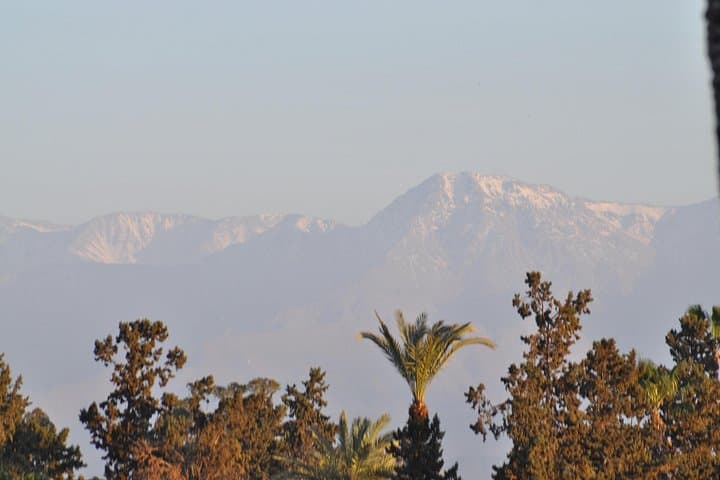
You step out of Marrakech’s bustle into a sun-baked palette of stone and sky: the Agafay Desert’s low, rocky plains roll toward the High Atlas, which brood along the horizon. The morning light sharpens cairns of pale rock as the 4x4 threads a route that feels both raw and deliberate — the landscape daring you to slow down and look.
Verified experiences and guided adventures in the surrounding area.
Operated by Morocco Friends Travel · Marrakech, Marrakech-Safi
You step out of Marrakech’s bustle into a sun-baked palette of stone and sky: the Agafay Desert’s low, rocky plains roll toward the High Atlas, which brood along the horizon. The morning light sharpens cairns of pale rock as the 4x4 threads a route that feels both raw and deliberate — the landscape daring you to slow down and look.
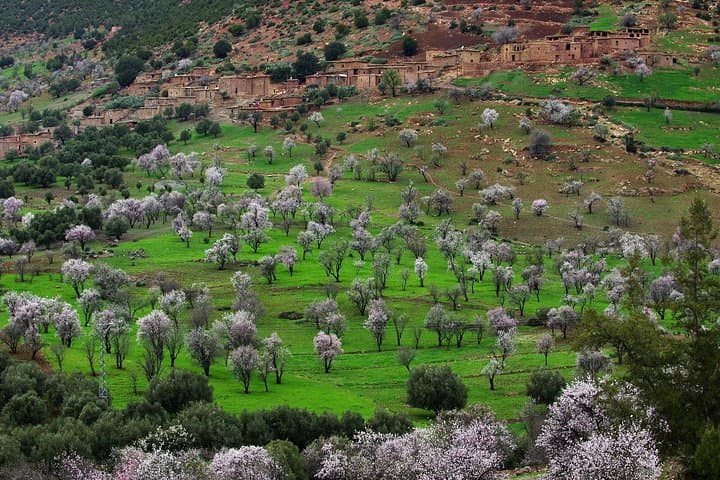
This full-day outing pairs simple geology and deep human history. Agafay is not sand dunes but a stony desert shaped by ancient erosion and fluvial terraces; nearby Berber villages retain practices centuries old — olive presses, earthen homes and tea rituals that speak to a rural life adapted to arid slopes and seasonal mountain rivers. The High Atlas, visible from many stops, is Morocco’s backbone: folded, uplifted rock that channels weather and shapes local agriculture.
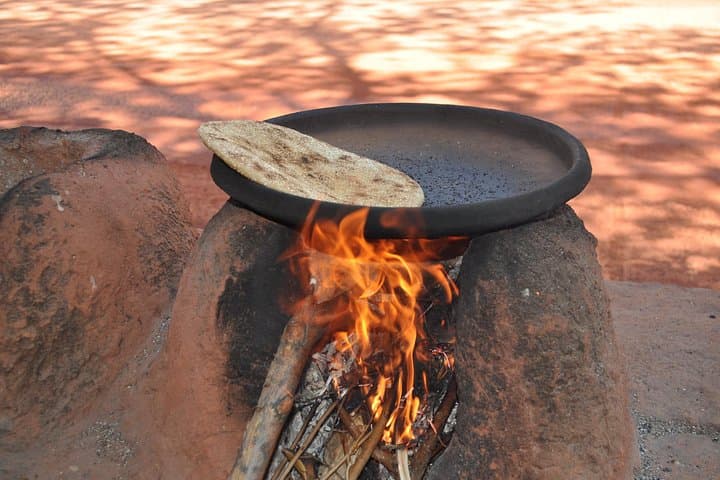
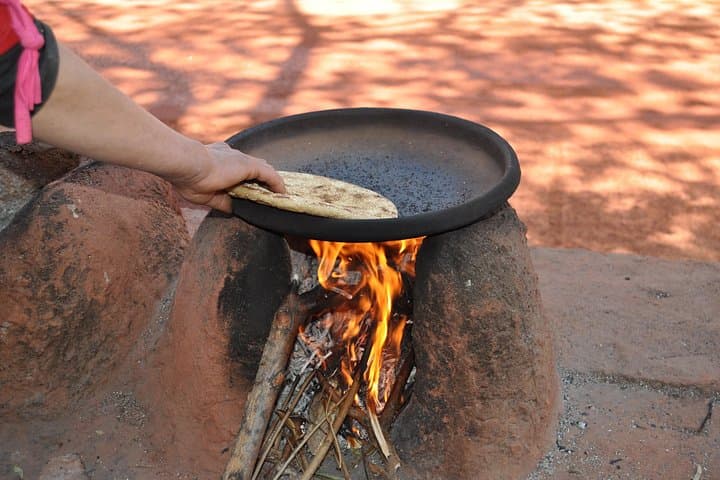
You’ll visit Saida’s house for a guided village walk, see an old olive millstone and sample a tajine prepared in a family kitchen. Conversation and mint tea are as much the attraction as the views; expect a measured cultural exchange rather than a staged performance.
Practical guidance: plan for 6–9 hours, moderate road time and an hour of walking on uneven paths. Bring sun protection, closed shoes for rocky terrain and a reusable water bottle; travel is by air-conditioned vehicle with hotel pickup. Morning light is best for photos in the desert, while late afternoon softens Atlas silhouettes on the drive back. Respect private spaces when visiting homes and ask before photographing people.
The tour runs about 6–9 hours depending on traffic and the group, typically returning to Marrakech mid- to late-afternoon (around 4–6pm).
Yes — pickup and drop-off at hotels and riads in Marrakech are included in the tour price.
Lunch (Berber tajine and salads), bottled water and mint tea are included; notify your guide of dietary restrictions in advance.
The walk is generally family-friendly but terrain is uneven; strollers may be difficult on narrow lanes — bringing a child carrier is recommended for infants.
Morocco Friends Travel operates guided outdoor trips and adventures with an emphasis on safety, stewardship, and memorable experiences.
You step out of Marrakech’s bustle into a sun-baked palette of stone and sky: the Agafay Desert’s low, rocky plains roll toward the High Atlas, which brood along the horizon. The morning light sharpens cairns of pale rock as the 4x4 threads a route that feels both raw and deliberate — the landscape daring you to slow down and look.
You step out of Marrakech’s bustle into a sun-baked palette of stone and sky: the Agafay Desert’s low, rocky plains roll toward the High Atlas, which brood along the horizon. The morning light sharpens cairns of pale rock as the 4x4 threads a route that feels both raw and deliberate — the landscape daring you to slow down and look.
This full-day outing pairs simple geology and deep human history. Agafay is not sand dunes but a stony desert shaped by ancient erosion and fluvial terraces; nearby Berber villages retain practices centuries old — olive presses, earthen homes and tea rituals that speak to a rural life adapted to arid slopes and seasonal mountain rivers. The High Atlas, visible from many stops, is Morocco’s backbone: folded, uplifted rock that channels weather and shapes local agriculture.
You’ll visit Saida’s house for a guided village walk, see an old olive millstone and sample a tajine prepared in a family kitchen. Conversation and mint tea are as much the attraction as the views; expect a measured cultural exchange rather than a staged performance.
Practical guidance: plan for 6–9 hours, moderate road time and an hour of walking on uneven paths. Bring sun protection, closed shoes for rocky terrain and a reusable water bottle; travel is by air-conditioned vehicle with hotel pickup. Morning light is best for photos in the desert, while late afternoon softens Atlas silhouettes on the drive back. Respect private spaces when visiting homes and ask before photographing people.