THE ADVENTURE COLLECTIVE® · Independent discovery and booking for outdoor travel

Walk Belém’s riverfront and monuments to the Age of Discovery, sample legendary pastéis, and learn how Portugal’s maritime ambitions reshaped the world. This 2–3 hour guided route combines architecture, riverside views and local stories.
Walk Belém’s riverfront and monuments to the Age of Discovery, sample legendary pastéis, and learn how Portugal’s maritime ambitions reshaped the world. This 2–3 hour guided route combines architecture, riverside views and local stories.
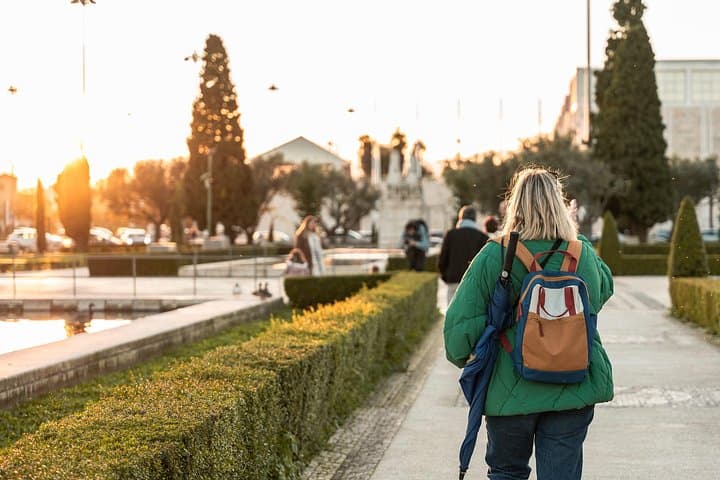
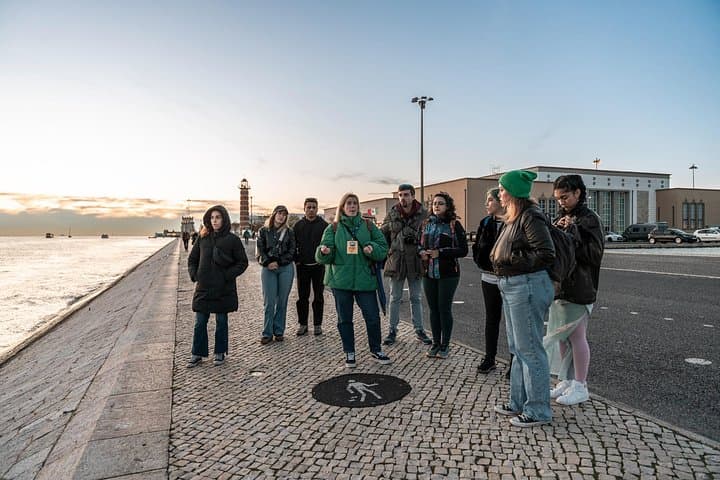
You meet at a shaded garden square; the air carries salt from the Tagus and the warm scent of freshly baked custard tarts. The guide nods, and the group moves—past sculpted figures, through broad plazas and along the river where light catches the stone of centuries.
Verified experiences and guided adventures in the surrounding area.
Operated by Take Lisboa · Lisbon, Lisbon
You meet at a shaded garden square; the air carries salt from the Tagus and the warm scent of freshly baked custard tarts. The guide nods, and the group moves—past sculpted figures, through broad plazas and along the river where light catches the stone of centuries.
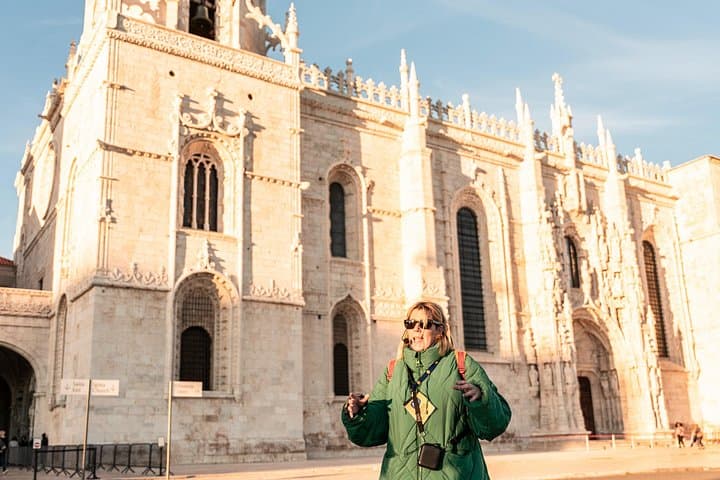
Belém is where Portugal mapped the world. From the ornate cloisters of the Jerónimos Monastery to the Monument to the Discoveries and the Tower of Belém, the district records 15th‑ and 16th‑century ambition in stone. Geologically, the low, sandy banks of the Tagus created a natural harbor that invited ships to linger; culturally, the area became a hub for trade, faith and confectionery—hence the famous Pastéis de Belém recipe guarded by monastic tradition.
The tour moves at an easy pace across paved promenades. Expect close looks at Manueline carvings, a stop to taste a pastel de nata (bring cash or card), and riverside views framed by the 25 de Abril Bridge. Guides weave local anecdotes — tavern tales, maritime innovations, and the 20th‑century exhibitions that reshaped the plaza.
Practical guidance: wear comfortable walking shoes for uneven cobbles, bring a refillable water bottle, and time the visit for early morning or late afternoon to avoid peak crowds at the bakery and monuments. Photography is unobstructed from the outside of most sites; if you plan to enter museums afterward, reserve extra time. Public transport (tram and bus) serves Belém well, and the route is stroller‑friendly.
In short: a compact, sensory walk that pairs history, architecture and a culinary rite—ideal for curious travelers who want a fast, grounded immersion into Portugal’s seafaring past.
The walking tour lasts about 2.5 hours (150 minutes) and covers several outdoor landmarks across Belém.
This tour visits exteriors and the church of Jerónimos but does not include interior admission to the monastery or Tower of Belém; many visitors add museum visits afterward.
The route is generally stroller‑accessible with paved paths, but cobbles and small curbs may pose challenges; contact the operator for specific accessibility needs.
This is a free walking tour model where guides work for gratuities; booking secures your spot but tipping at the end is customary if you enjoyed the experience.
Take Lisboa operates guided outdoor trips and adventures with an emphasis on safety, stewardship, and memorable experiences.

You meet at a shaded garden square; the air carries salt from the Tagus and the warm scent of freshly baked custard tarts. The guide nods, and the group moves—past sculpted figures, through broad plazas and along the river where light catches the stone of centuries.
You meet at a shaded garden square; the air carries salt from the Tagus and the warm scent of freshly baked custard tarts. The guide nods, and the group moves—past sculpted figures, through broad plazas and along the river where light catches the stone of centuries.
Belém is where Portugal mapped the world. From the ornate cloisters of the Jerónimos Monastery to the Monument to the Discoveries and the Tower of Belém, the district records 15th‑ and 16th‑century ambition in stone. Geologically, the low, sandy banks of the Tagus created a natural harbor that invited ships to linger; culturally, the area became a hub for trade, faith and confectionery—hence the famous Pastéis de Belém recipe guarded by monastic tradition.
The tour moves at an easy pace across paved promenades. Expect close looks at Manueline carvings, a stop to taste a pastel de nata (bring cash or card), and riverside views framed by the 25 de Abril Bridge. Guides weave local anecdotes — tavern tales, maritime innovations, and the 20th‑century exhibitions that reshaped the plaza.
Practical guidance: wear comfortable walking shoes for uneven cobbles, bring a refillable water bottle, and time the visit for early morning or late afternoon to avoid peak crowds at the bakery and monuments. Photography is unobstructed from the outside of most sites; if you plan to enter museums afterward, reserve extra time. Public transport (tram and bus) serves Belém well, and the route is stroller‑friendly.
In short: a compact, sensory walk that pairs history, architecture and a culinary rite—ideal for curious travelers who want a fast, grounded immersion into Portugal’s seafaring past.