THE ADVENTURE COLLECTIVE® · Independent discovery and booking for outdoor travel

Set out from Port Douglas to Agincourt Reef on a high-speed catamaran and spend the day snorkeling, viewing coral from a semi-submersible, or trying an introductory dive. This practical day trip is ideal for first-time reef visitors and non-swimmers.
Set out from Port Douglas to Agincourt Reef on a high-speed catamaran and spend the day snorkeling, viewing coral from a semi-submersible, or trying an introductory dive. This practical day trip is ideal for first-time reef visitors and non-swimmers.
The catamaran slips from the marina and the ocean opens — a stretch of blue that dares you to look beyond the horizon. Within an hour you’re skimming toward Agincourt Reef, the outer edge of the Great Barrier Reef, where a permanent pontoon rests like a research station on the sea.
Verified experiences and guided adventures in the surrounding area.
Operated by The Quicksilver Group · Port Douglas, Queensland
The catamaran slips from the marina and the ocean opens — a stretch of blue that dares you to look beyond the horizon. Within an hour you’re skimming toward Agincourt Reef, the outer edge of the Great Barrier Reef, where a permanent pontoon rests like a research station on the sea.
This coastline of north Queensland bears a long story: ancient continental shelves shaped by Pleistocene sea-level changes, the Ribbon Reefs’ coral fingers built over millennia, and First Nations peoples whose maritime knowledge long predates tourism. The reef’s stony architecture supports parrotfish, clownfish, and small reef sharks; currents shape coral growth and deliver nutrients, the water itself feeling alive as it moves you.
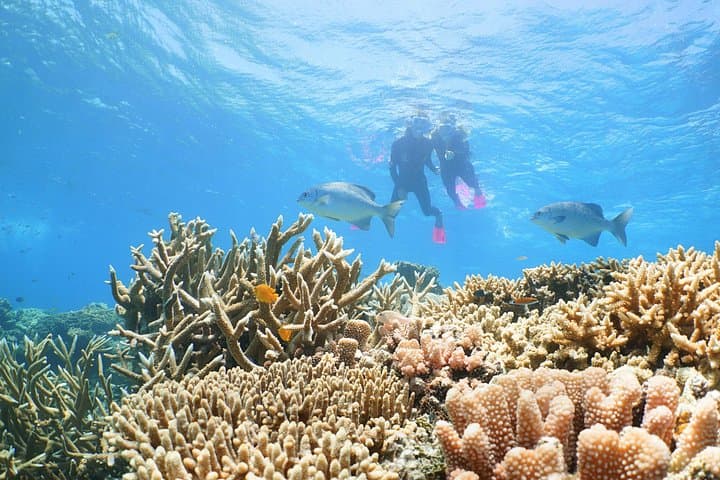
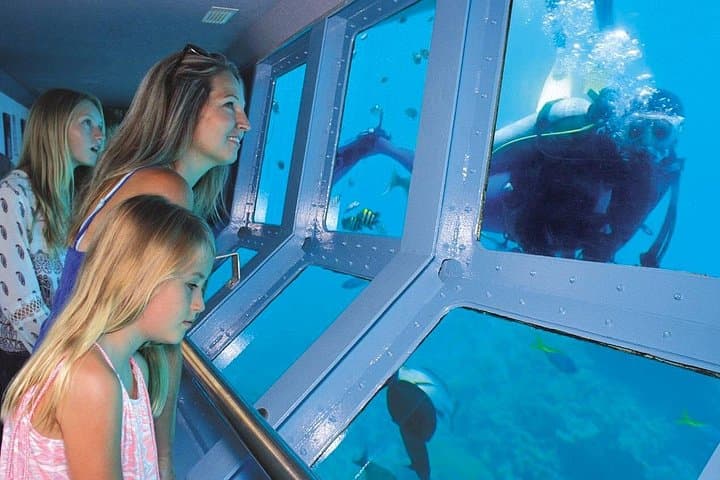
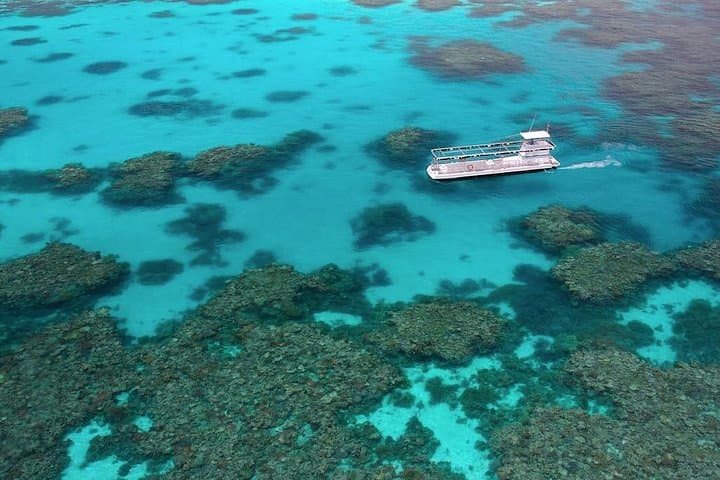
On arrival, options unfold — clip into a guided snorkel with a marine biologist, borrow lycra suits and vests provided, peer through a semi-submersible, or try an introductory dive or Ocean Walker helmet experience. Staff run safety briefings and fish-feeding viewings from an underwater observatory for those preferring dry vantage points.
Practically speaking: plan for an all-day outing (about eight to nine hours), bring reef-safe sunscreen, a hat, and a towel, and expect stable but sometimes rolling sea conditions. Non-swimmers and beginners are accommodated, but those planning to dive should disclose medical history and allow the recommended no-fly window after diving. Meals and tea are included; cash for bar purchases is useful. Whether you get wet or stay dry, the reef’s colors and life are immediate — and the pontoon offers a clear, supported way to experience the outer reef without technical expertise.
No — the cruise provides buoyancy vests and supervised shallow snorkeling options; non-swimmers can enjoy the semi-submersible and underwater observatory.
Introductory dives are available for first-timers with a dive instructor, but certification is required for certified dives; medical screening applies and age limits exist.
The full experience is about eight to nine hours including transit; the high-speed catamaran cruise to Agincourt Reef takes roughly 90 minutes each way.
Yes — buffet lunch plus morning and afternoon tea and coffee are included; bring cash if you plan to buy drinks at the onboard bar.
The Quicksilver Group operates guided outdoor trips and adventures with an emphasis on safety, stewardship, and memorable experiences.
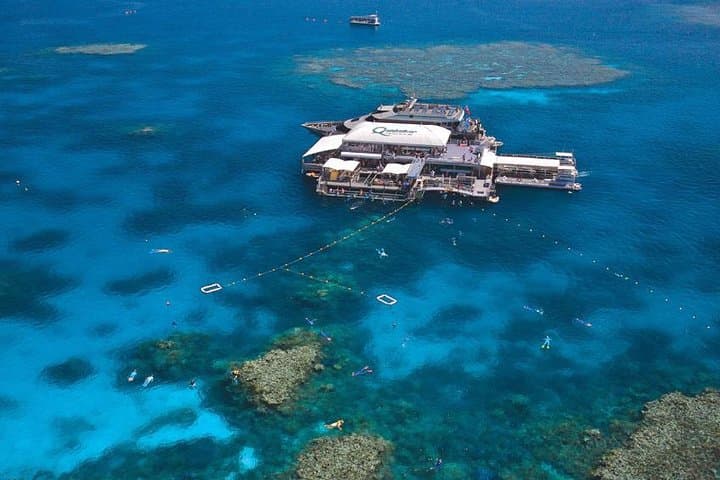
The catamaran slips from the marina and the ocean opens — a stretch of blue that dares you to look beyond the horizon. Within an hour you’re skimming toward Agincourt Reef, the outer edge of the Great Barrier Reef, where a permanent pontoon rests like a research station on the sea.
The catamaran slips from the marina and the ocean opens — a stretch of blue that dares you to look beyond the horizon. Within an hour you’re skimming toward Agincourt Reef, the outer edge of the Great Barrier Reef, where a permanent pontoon rests like a research station on the sea.
This coastline of north Queensland bears a long story: ancient continental shelves shaped by Pleistocene sea-level changes, the Ribbon Reefs’ coral fingers built over millennia, and First Nations peoples whose maritime knowledge long predates tourism. The reef’s stony architecture supports parrotfish, clownfish, and small reef sharks; currents shape coral growth and deliver nutrients, the water itself feeling alive as it moves you.
On arrival, options unfold — clip into a guided snorkel with a marine biologist, borrow lycra suits and vests provided, peer through a semi-submersible, or try an introductory dive or Ocean Walker helmet experience. Staff run safety briefings and fish-feeding viewings from an underwater observatory for those preferring dry vantage points.
Practically speaking: plan for an all-day outing (about eight to nine hours), bring reef-safe sunscreen, a hat, and a towel, and expect stable but sometimes rolling sea conditions. Non-swimmers and beginners are accommodated, but those planning to dive should disclose medical history and allow the recommended no-fly window after diving. Meals and tea are included; cash for bar purchases is useful. Whether you get wet or stay dry, the reef’s colors and life are immediate — and the pontoon offers a clear, supported way to experience the outer reef without technical expertise.