THE ADVENTURE COLLECTIVE® · Independent discovery and booking for outdoor travel

A compact, expertly guided 10‑hour circuit linking the Taj Mahal, Agra Fort and Fatehpur Sikri with a local market stop. Ideal for travelers who want concentrated history, architecture and practical logistics handled in one day.
A compact, expertly guided 10‑hour circuit linking the Taj Mahal, Agra Fort and Fatehpur Sikri with a local market stop. Ideal for travelers who want concentrated history, architecture and practical logistics handled in one day.
You step out of an air-conditioned car into the warm hush before the crowd—white marble of the Taj Mahal catching the morning sun, the river Yamuna whispering at its rear. The monument's filigree work reads like a layered map of Mughal ambition; courtyards, ramparts and red-sandstone palaces unfold as the day progresses.
Verified experiences and guided adventures in the surrounding area.
Operated by Nikita Holidays · Agra, Uttar Pradesh
You step out of an air-conditioned car into the warm hush before the crowd—white marble of the Taj Mahal catching the morning sun, the river Yamuna whispering at its rear. The monument's filigree work reads like a layered map of Mughal ambition; courtyards, ramparts and red-sandstone palaces unfold as the day progresses.
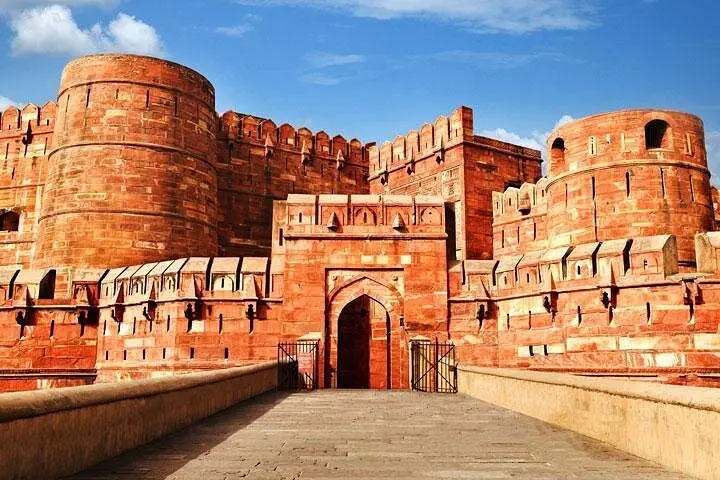
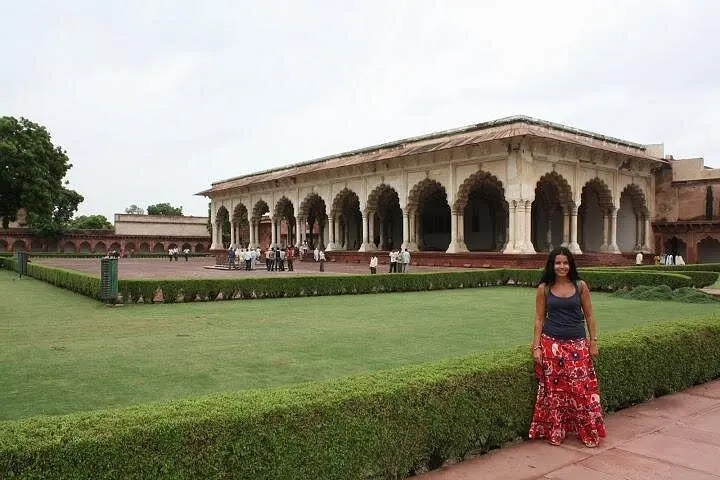
This itinerary strings three UNESCO sites and a local market into a ten-hour circuit. The Taj Mahal (closed Fridays) is the architectural and emotional anchor, completed under Shah Jahan in the 17th century. Agra Fort, built earlier by Akbar in red sandstone, traces Mughal military and court life across ramparts and private chambers. A 60–90 minute drive brings you to Fatehpur Sikri, Akbar’s short-lived capital—well-preserved halls and mosques carved from local sandstone that reveal imperial planning and desert-adapted materials.
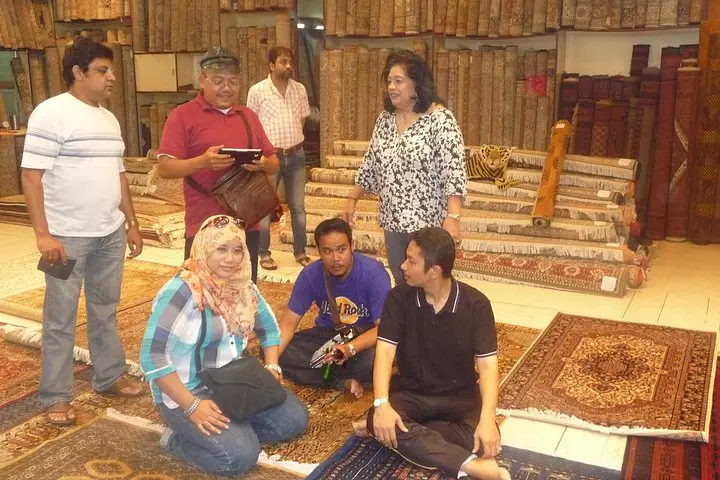
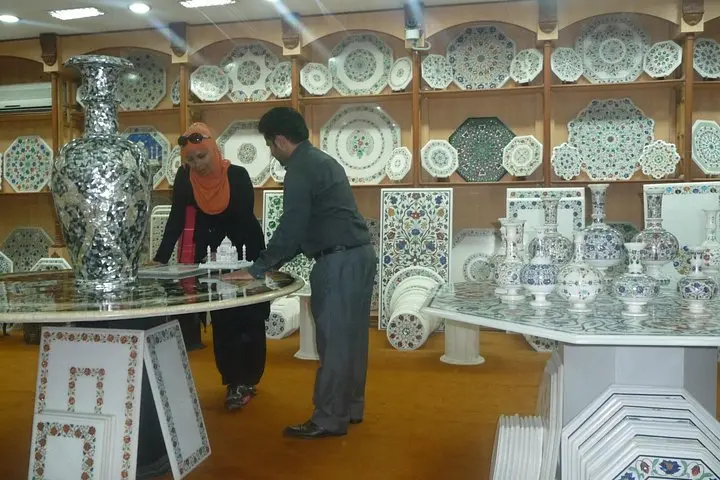
Culture here is tactile: pietra dura inlay, carved jali screens, and markets selling leather, inlay work and carpets. Geology matters—white Makrana marble versus red Bundelkhand sandstone give each site distinct character and weathering patterns.
Practical guidance: expect about 10 hours total with walking on uneven stone floors and stairs—comfortable shoes and sun protection are essential. The tour typically includes monument entrance fees, an English-speaking private guide, AC transfers and lunch; plan for traffic delays and early starts to avoid heat and crowds. Photography is allowed in most areas but follow signage and guide instructions. Carry cash for small purchases, and respect restricted areas to help preserve these fragile monuments.
Yes, the Taj Mahal is closed to visitors every Friday for prayer; plan your tour on other days.
This tour's inclusions list monument entrance fees as provided, but confirm at booking and keep ID for ticketing.
The drive from Agra to Fatehpur Sikri typically takes about 45–60 minutes depending on traffic and time of day.
Photography is allowed in many outdoor areas; however, some interior spaces and galleries restrict flash or tripods—follow guide instructions and posted signs.
Nikita Holidays operates guided outdoor trips and adventures with an emphasis on safety, stewardship, and memorable experiences.
You step out of an air-conditioned car into the warm hush before the crowd—white marble of the Taj Mahal catching the morning sun, the river Yamuna whispering at its rear. The monument's filigree work reads like a layered map of Mughal ambition; courtyards, ramparts and red-sandstone palaces unfold as the day progresses.
You step out of an air-conditioned car into the warm hush before the crowd—white marble of the Taj Mahal catching the morning sun, the river Yamuna whispering at its rear. The monument's filigree work reads like a layered map of Mughal ambition; courtyards, ramparts and red-sandstone palaces unfold as the day progresses.
This itinerary strings three UNESCO sites and a local market into a ten-hour circuit. The Taj Mahal (closed Fridays) is the architectural and emotional anchor, completed under Shah Jahan in the 17th century. Agra Fort, built earlier by Akbar in red sandstone, traces Mughal military and court life across ramparts and private chambers. A 60–90 minute drive brings you to Fatehpur Sikri, Akbar’s short-lived capital—well-preserved halls and mosques carved from local sandstone that reveal imperial planning and desert-adapted materials.
Culture here is tactile: pietra dura inlay, carved jali screens, and markets selling leather, inlay work and carpets. Geology matters—white Makrana marble versus red Bundelkhand sandstone give each site distinct character and weathering patterns.
Practical guidance: expect about 10 hours total with walking on uneven stone floors and stairs—comfortable shoes and sun protection are essential. The tour typically includes monument entrance fees, an English-speaking private guide, AC transfers and lunch; plan for traffic delays and early starts to avoid heat and crowds. Photography is allowed in most areas but follow signage and guide instructions. Carry cash for small purchases, and respect restricted areas to help preserve these fragile monuments.