THE ADVENTURE COLLECTIVE® · Independent discovery and booking for outdoor travel

Spend a half day in Agra meeting staff, children, and acid-attack survivors at a Missionaries of Charity home. This guided visit emphasizes compassionate engagement, practical support, and respectful observation.
Spend a half day in Agra meeting staff, children, and acid-attack survivors at a Missionaries of Charity home. This guided visit emphasizes compassionate engagement, practical support, and respectful observation.
Morning in Agra arrives with a slow, human pulse — rickshaws negotiating narrow lanes, the air warmed by chai stalls — and this half-day visit places you in the quieter, more intentional side of the city. You’ll be led from a hotel or pickup point through streets that still carry Mughal-era masonry and modern life, arriving at a Missionaries of Charity house where caregiving is steady, direct, and practical.
Verified experiences and guided adventures in the surrounding area.
Operated by Padma Holidays · Agra, Uttar Pradesh
Morning in Agra arrives with a slow, human pulse — rickshaws negotiating narrow lanes, the air warmed by chai stalls — and this half-day visit places you in the quieter, more intentional side of the city. You’ll be led from a hotel or pickup point through streets that still carry Mughal-era masonry and modern life, arriving at a Missionaries of Charity house where caregiving is steady, direct, and practical.
Mother Teresa’s Missionaries of Charity founded a global network focused on care for the poorest and most vulnerable; in Agra the order supports orphaned children, the elderly, and specialized refuges for acid-attack survivors. The visit offers structured interaction — conversations, shared meals, and time to learn about rehabilitation programs and vocational training that help survivors regain independence.
This is not a sightseeing stop but a social-justice encounter: expect guided introductions, modest dress codes, and rules around photography. Bring curiosity and patience; the experience centers on listening and respectful presence more than activity.
Practical guidance: the program runs roughly four to six hours including pickup; most of it is low physical demand but involves standing and sitting with children and residents. Wear comfortable, conservative clothing, carry bottled water (provided by the tour but handy to top up), and keep small bills if you wish to support projects through official channels. Weather in Agra can be hot from April to September, so schedule morning departures when possible. The visit pairs cultural context with civic empathy — a meaningful complement to the city’s architectural draws for travelers who want a socially engaged itinerary.
Donations may be accepted but should be given through official channels at the facility; ask your guide for the recommended process.
Photography rules vary by facility; always ask staff and respect any restrictions to protect privacy.
The visit is generally low-impact but facilities can have stairs; inform the operator in advance to confirm accessibility and arrange appropriate pickup/drop-off.
Yes — the private tour includes hotel or airport pickup and drop-off and transport by private vehicle as part of the itinerary.
Padma Holidays operates guided outdoor trips and adventures with an emphasis on safety, stewardship, and memorable experiences.


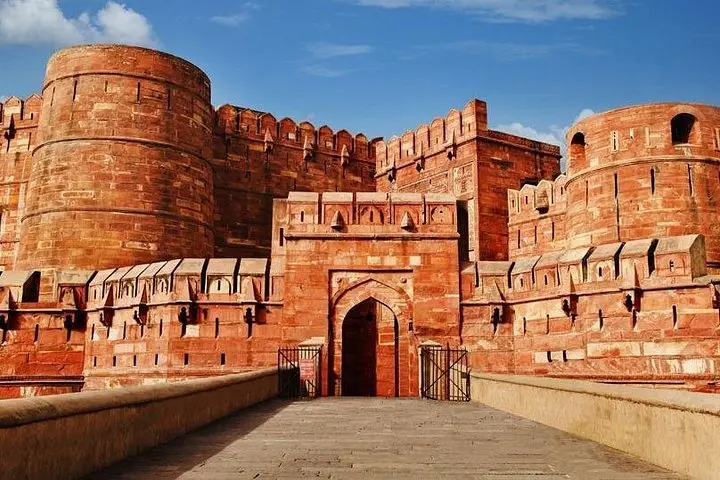

Morning in Agra arrives with a slow, human pulse — rickshaws negotiating narrow lanes, the air warmed by chai stalls — and this half-day visit places you in the quieter, more intentional side of the city. You’ll be led from a hotel or pickup point through streets that still carry Mughal-era masonry and modern life, arriving at a Missionaries of Charity house where caregiving is steady, direct, and practical.
Morning in Agra arrives with a slow, human pulse — rickshaws negotiating narrow lanes, the air warmed by chai stalls — and this half-day visit places you in the quieter, more intentional side of the city. You’ll be led from a hotel or pickup point through streets that still carry Mughal-era masonry and modern life, arriving at a Missionaries of Charity house where caregiving is steady, direct, and practical.
Mother Teresa’s Missionaries of Charity founded a global network focused on care for the poorest and most vulnerable; in Agra the order supports orphaned children, the elderly, and specialized refuges for acid-attack survivors. The visit offers structured interaction — conversations, shared meals, and time to learn about rehabilitation programs and vocational training that help survivors regain independence.
This is not a sightseeing stop but a social-justice encounter: expect guided introductions, modest dress codes, and rules around photography. Bring curiosity and patience; the experience centers on listening and respectful presence more than activity.
Practical guidance: the program runs roughly four to six hours including pickup; most of it is low physical demand but involves standing and sitting with children and residents. Wear comfortable, conservative clothing, carry bottled water (provided by the tour but handy to top up), and keep small bills if you wish to support projects through official channels. Weather in Agra can be hot from April to September, so schedule morning departures when possible. The visit pairs cultural context with civic empathy — a meaningful complement to the city’s architectural draws for travelers who want a socially engaged itinerary.