THE ADVENTURE COLLECTIVE® · Independent discovery and booking for outdoor travel

Board the Gatimaan Express for a fast, private day trip from Delhi to Agra and explore the Taj Mahal, Agra Fort and Baby Taj with guided entry and transfers included. This full-day itinerary combines efficient travel with curated local guiding and a buffet lunch in Agra.
Board the Gatimaan Express for a fast, private day trip from Delhi to Agra and explore the Taj Mahal, Agra Fort and Baby Taj with guided entry and transfers included. This full-day itinerary combines efficient travel with curated local guiding and a buffet lunch in Agra.
The morning platform at Hazrat Nizamuddin is a study in purposeful motion: commuters swirl around porters while the Gatimaan Express glides in, its polished carriages promising speed and comfort. Travelers settle into executive AC chair cars, coffee in hand, as the plains unfold — fields and villages sliding past until the Yamuna appears like a quiet thread through Agra’s skyline.
Verified experiences and guided adventures in the surrounding area.
Operated by Agra Taj Visit · Agra, Uttar Pradesh
The morning platform at Hazrat Nizamuddin is a study in purposeful motion: commuters swirl around porters while the Gatimaan Express glides in, its polished carriages promising speed and comfort. Travelers settle into executive AC chair cars, coffee in hand, as the plains unfold — fields and villages sliding past until the Yamuna appears like a quiet thread through Agra’s skyline.
Agra’s monuments are inseparable from Mughal history. The Taj Mahal, built by Shah Jahan over 21 years with labor from across the subcontinent, is carved from Makrana marble whose surface seems to breathe light at dawn and dusk. Nearby, Agra Fort records the empire’s military and courtly life, while the Baby Taj (Itmad-ud-Daulah) shows early marble inlay that prefigured later ornamentation.
Geology and riverine dynamics shaped the city: the alluvial plains allow the white marbles and red sandstones to sit low and reflective along the Yamuna’s edge, creating the vistas visitors seek. Local culture is tactile — artisans in bazaars skillfully carve and inlay marble, and street vendors offer chai that grounds the long day of sightseeing.
Practicalities matter: trains depart early (the standard itinerary leaves around 7:00 AM), the round trip is roughly 14 hours door-to-door, and the tour includes guided entries, lunch, and transfers. Visitors should carry passports (required for booking), wear shoes they can remove quickly at the monument, and plan for security screening and heat in summer. For photographers, sunrise or late afternoon light softens the marble; for quieter visits, head directly to the monument during the first entry slot. The experience balances fast travel with long-standing heritage — efficient, immersive, and unmistakably Agra.
The Gatimaan Express takes about 1 hour 40 minutes each way between Hazrat Nizamuddin (Delhi) and Agra Cantonment.
Yes — this tour includes entrance fees to the Taj Mahal and Agra Fort as part of the package.
Yes — organizers often substitute Shatabdi Express tickets if Gatimaan seats are unavailable, keeping the same core itinerary.
The tour notes wheelchair accessibility, but some monument areas have steps and uneven surfaces; discuss specific needs with the operator in advance.
Agra Taj Visit operates guided outdoor trips and adventures with an emphasis on safety, stewardship, and memorable experiences.


The morning platform at Hazrat Nizamuddin is a study in purposeful motion: commuters swirl around porters while the Gatimaan Express glides in, its polished carriages promising speed and comfort. Travelers settle into executive AC chair cars, coffee in hand, as the plains unfold — fields and villages sliding past until the Yamuna appears like a quiet thread through Agra’s skyline.
The morning platform at Hazrat Nizamuddin is a study in purposeful motion: commuters swirl around porters while the Gatimaan Express glides in, its polished carriages promising speed and comfort. Travelers settle into executive AC chair cars, coffee in hand, as the plains unfold — fields and villages sliding past until the Yamuna appears like a quiet thread through Agra’s skyline.
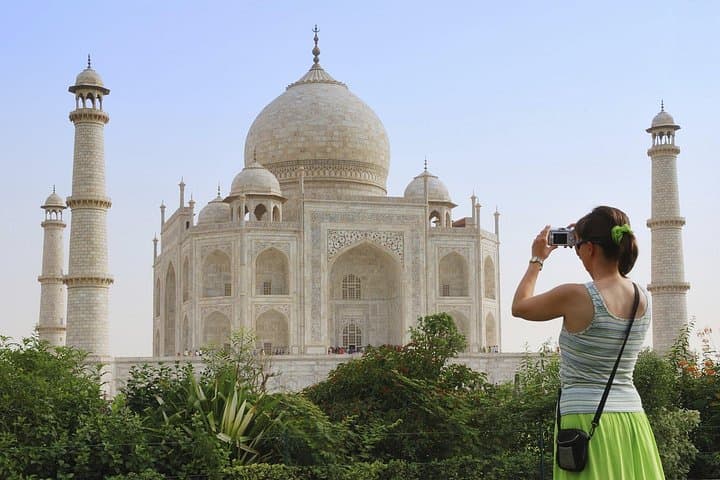
Agra’s monuments are inseparable from Mughal history. The Taj Mahal, built by Shah Jahan over 21 years with labor from across the subcontinent, is carved from Makrana marble whose surface seems to breathe light at dawn and dusk. Nearby, Agra Fort records the empire’s military and courtly life, while the Baby Taj (Itmad-ud-Daulah) shows early marble inlay that prefigured later ornamentation.
Geology and riverine dynamics shaped the city: the alluvial plains allow the white marbles and red sandstones to sit low and reflective along the Yamuna’s edge, creating the vistas visitors seek. Local culture is tactile — artisans in bazaars skillfully carve and inlay marble, and street vendors offer chai that grounds the long day of sightseeing.
Practicalities matter: trains depart early (the standard itinerary leaves around 7:00 AM), the round trip is roughly 14 hours door-to-door, and the tour includes guided entries, lunch, and transfers. Visitors should carry passports (required for booking), wear shoes they can remove quickly at the monument, and plan for security screening and heat in summer. For photographers, sunrise or late afternoon light softens the marble; for quieter visits, head directly to the monument during the first entry slot. The experience balances fast travel with long-standing heritage — efficient, immersive, and unmistakably Agra.