THE ADVENTURE COLLECTIVE® · Independent discovery and booking for outdoor travel

Leave the Taj’s glare behind and walk Old Agra with a local guide: mosques, a 650‑year‑old temple, colonial stations, and bustling bazaars ending with the city’s famous pethe sweet. A private tour with transport reveals the everyday history and flavors often missed by visitors.
Leave the Taj’s glare behind and walk Old Agra with a local guide: mosques, a 650‑year‑old temple, colonial stations, and bustling bazaars ending with the city’s famous pethe sweet. A private tour with transport reveals the everyday history and flavors often missed by visitors.
You step from the vehicle into a corridor of sound: vendors call prices, bicycle bells thread through the air, and the brick lanes of Old Agra tug you toward alleys that tourists rarely see.
Verified experiences and guided adventures in the surrounding area.
Operated by The Vision Holidays · Agra, Uttar Pradesh
You step from the vehicle into a corridor of sound: vendors call prices, bicycle bells thread through the air, and the brick lanes of Old Agra tug you toward alleys that tourists rarely see.
This guided walking tour moves beyond the Taj Mahal’s marble glare into the lived city—Jama Masjid’s thunderous courtyard, the 650‑year‑old Shri Mankameshwar Temple’s carved stones, and the Victorian lines of Agra Fort Railway Station. The streets themselves tell stories: Mughal-era trade routes that shaped the city’s markets, British-era rail architecture, and bazaars where craftsmen still dye cloth and fold saris the way their families did for generations.
Geology here is quiet but present: alluvial plains of the Yamuna shaped the city’s agriculture and trade, while baked brick and red sandstone from nearby quarries define Agra’s built character. Culture is tactile—spices, a chorus of temple bells, and the sugar-scented shop where pethe (white pumpkin sweet) has been made for decades.
Practical guidance is straightforward. The tour is private with transport for pickup and drop-off, but expect significant walking on uneven pavements and crowded markets. Wear sturdy shoes, carry water and sun protection, and plan for an early start to avoid midday heat. Note: the Taj Mahal is closed on Fridays, and some sites have modest dress expectations—shoulders and knees covered are recommended at mosques and temples. Bring small bills for market buys and a polite willingness to haggle.
This is a day of close-up urban exploration: historic masonry underfoot, market life pressing in on every side, and local flavors that reward curiosity and patience.
This tour focuses on Old Agra sights and markets. The Taj Mahal is not part of the walking itinerary and is closed on Fridays.
Expect several hours of walking on uneven city streets with short stops—comfortable shoes and light fitness are recommended.
The tour notes admission included for some sites like the Agra Fort Railway Station; check your booking for specifics on which entries are covered.
Yes—private transport for pickup and drop-off is included in the tour price for convenience and timing.
The Vision Holidays operates guided outdoor trips and adventures with an emphasis on safety, stewardship, and memorable experiences.


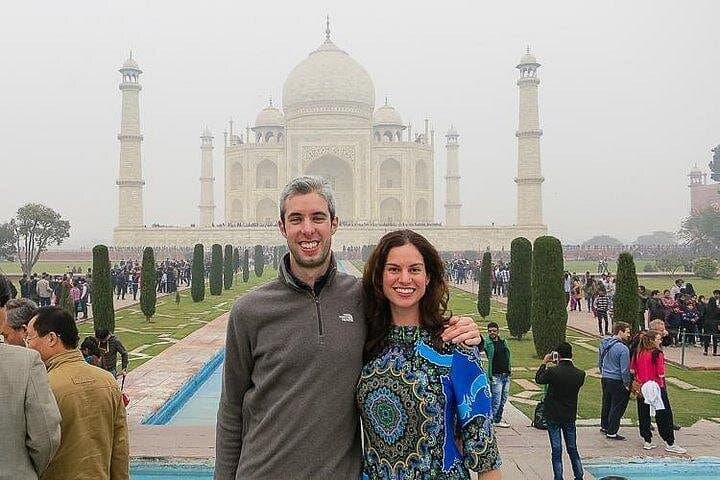
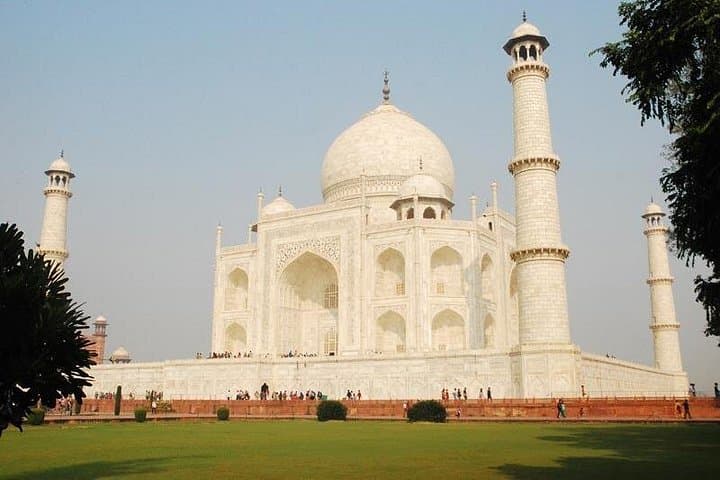
You step from the vehicle into a corridor of sound: vendors call prices, bicycle bells thread through the air, and the brick lanes of Old Agra tug you toward alleys that tourists rarely see.
You step from the vehicle into a corridor of sound: vendors call prices, bicycle bells thread through the air, and the brick lanes of Old Agra tug you toward alleys that tourists rarely see.
This guided walking tour moves beyond the Taj Mahal’s marble glare into the lived city—Jama Masjid’s thunderous courtyard, the 650‑year‑old Shri Mankameshwar Temple’s carved stones, and the Victorian lines of Agra Fort Railway Station. The streets themselves tell stories: Mughal-era trade routes that shaped the city’s markets, British-era rail architecture, and bazaars where craftsmen still dye cloth and fold saris the way their families did for generations.
Geology here is quiet but present: alluvial plains of the Yamuna shaped the city’s agriculture and trade, while baked brick and red sandstone from nearby quarries define Agra’s built character. Culture is tactile—spices, a chorus of temple bells, and the sugar-scented shop where pethe (white pumpkin sweet) has been made for decades.
Practical guidance is straightforward. The tour is private with transport for pickup and drop-off, but expect significant walking on uneven pavements and crowded markets. Wear sturdy shoes, carry water and sun protection, and plan for an early start to avoid midday heat. Note: the Taj Mahal is closed on Fridays, and some sites have modest dress expectations—shoulders and knees covered are recommended at mosques and temples. Bring small bills for market buys and a polite willingness to haggle.
This is a day of close-up urban exploration: historic masonry underfoot, market life pressing in on every side, and local flavors that reward curiosity and patience.