THE ADVENTURE COLLECTIVE® · Independent discovery and booking for outdoor travel

Follow a classic Khumbu approach from Aiselu Kharka to Everest Base Camp, passing Sherpa monasteries, glacial valleys and panoramic views. This multi-day high-altitude trek combines cultural stops with challenging ascents—plan for careful acclimatization and robust gear.
Follow a classic Khumbu approach from Aiselu Kharka to Everest Base Camp, passing Sherpa monasteries, glacial valleys and panoramic views. This multi-day high-altitude trek combines cultural stops with challenging ascents—plan for careful acclimatization and robust gear.
Dawn finds the convoy bumping out of Kathmandu, the B.P. Highway opening up river valleys that dare you to look away. After a long jeep ride you arrive at Aiselu Kharka, an airy pasture where prayer flags mark the turn from road to trail and the forest begins to tighten.
Verified experiences and guided adventures in the surrounding area.
Operated by Pariwar Holidays Pvt Ltd · Lukla, Province No. 1
Dawn finds the convoy bumping out of Kathmandu, the B.P. Highway opening up river valleys that dare you to look away. After a long jeep ride you arrive at Aiselu Kharka, an airy pasture where prayer flags mark the turn from road to trail and the forest begins to tighten.
The route threads classic Khumbu: rhododendron slopes, glacial-cut valleys and the long climb through Sherpa villages toward Namche Bazaar and higher camps. This is the same high ground that Sir Edmund Hillary and Tenzing Norgay crossed on the way to their 1953 ascent; the landscape still bears the signs of recent uplift — jagged granite ridges, moraine fields and active glaciers that shape everything downstream.
Culturally the trail is led by monasteries and teahouses. Tengboche and smaller hilltop gompas offer glimpses of Himalayan Buddhism, while local lodges serve dal bhat and stories that explain place names and seasonal rituals.
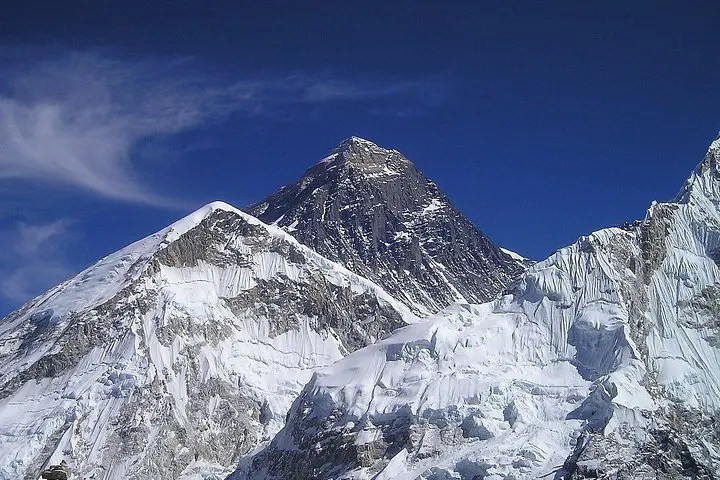
Expect multi-day hiking at altitude: long uphill stretches, rocky switchbacks and sudden open views when the treeline thins and Everest finally asserts itself. Weather can turn quickly; snow can appear at any season above 4,000 m.
Practical guidance: build in acclimatization days (Namche or Tengboche), carry a reliable water treatment and layer for strong sun and cold nights. Footwear with a stable sole and a modest pack for 3–5 hours of trekking per day makes the climb sustainable. Respect local customs, pack out non-biodegradable trash when possible, and prioritize slow, steady ascents to reduce altitude risk.
Yes—trekkers require TIMS and a Sagarmatha National Park permit when entering the Khumbu; guides usually handle these before departure.
Acclimatize with planned rest days, ascend no more than 300–500 m per day above 3,000 m, stay hydrated and descend if symptoms worsen.
Many travelers use local guides or organized groups for logistics, safety and permit handling—independent trekking is possible but more complex.
Expect 4–6 hours of walking on most days, with some longer transits; pace is often conservative to aid acclimatization.
Pariwar Holidays Pvt Ltd operates guided outdoor trips and adventures with an emphasis on safety, stewardship, and memorable experiences.
Dawn finds the convoy bumping out of Kathmandu, the B.P. Highway opening up river valleys that dare you to look away. After a long jeep ride you arrive at Aiselu Kharka, an airy pasture where prayer flags mark the turn from road to trail and the forest begins to tighten.
Dawn finds the convoy bumping out of Kathmandu, the B.P. Highway opening up river valleys that dare you to look away. After a long jeep ride you arrive at Aiselu Kharka, an airy pasture where prayer flags mark the turn from road to trail and the forest begins to tighten.
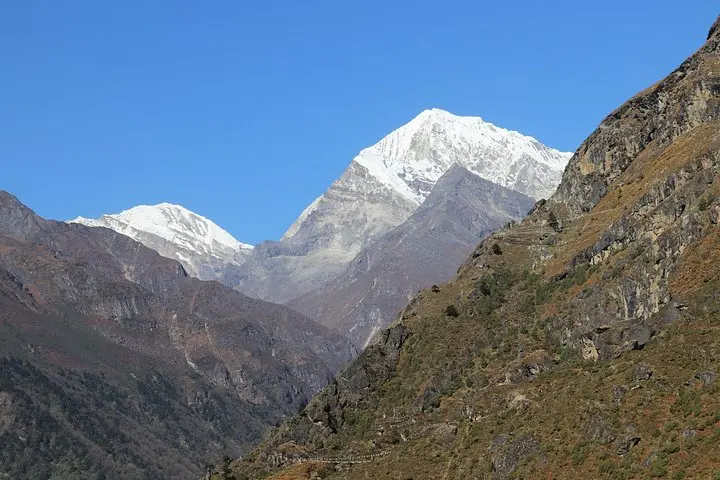
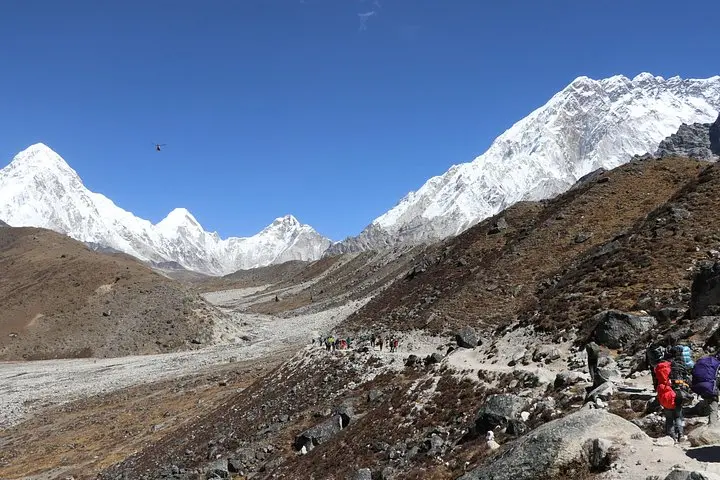
The route threads classic Khumbu: rhododendron slopes, glacial-cut valleys and the long climb through Sherpa villages toward Namche Bazaar and higher camps. This is the same high ground that Sir Edmund Hillary and Tenzing Norgay crossed on the way to their 1953 ascent; the landscape still bears the signs of recent uplift — jagged granite ridges, moraine fields and active glaciers that shape everything downstream.
Culturally the trail is led by monasteries and teahouses. Tengboche and smaller hilltop gompas offer glimpses of Himalayan Buddhism, while local lodges serve dal bhat and stories that explain place names and seasonal rituals.
Expect multi-day hiking at altitude: long uphill stretches, rocky switchbacks and sudden open views when the treeline thins and Everest finally asserts itself. Weather can turn quickly; snow can appear at any season above 4,000 m.
Practical guidance: build in acclimatization days (Namche or Tengboche), carry a reliable water treatment and layer for strong sun and cold nights. Footwear with a stable sole and a modest pack for 3–5 hours of trekking per day makes the climb sustainable. Respect local customs, pack out non-biodegradable trash when possible, and prioritize slow, steady ascents to reduce altitude risk.