THE ADVENTURE COLLECTIVE® · Independent discovery and booking for outdoor travel

Walk from Marrakech into the High Atlas foothills to explore earthen ksars, Berber hamlets and walnut terraces. This full-day tour pairs cultural stops—an argan cooperative and a family lunch—with short hikes and a 20-minute camel ride.
Walk from Marrakech into the High Atlas foothills to explore earthen ksars, Berber hamlets and walnut terraces. This full-day tour pairs cultural stops—an argan cooperative and a family lunch—with short hikes and a 20-minute camel ride.
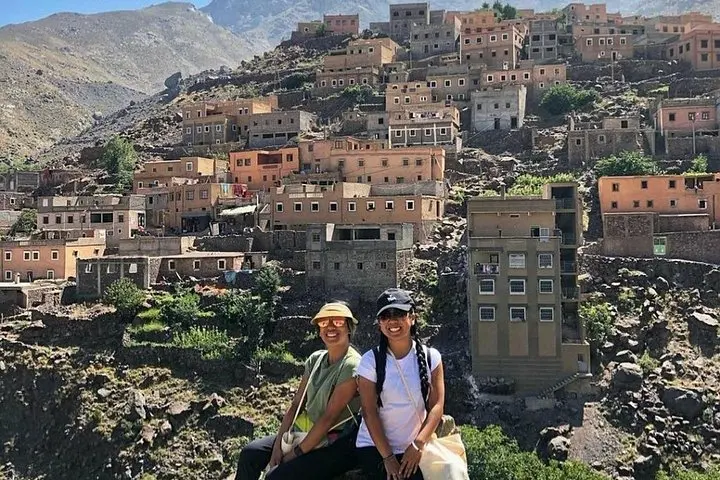
You arrive before breakfast light softens the red-baked walls of the ksar — mud-brick houses stacked like stepping stones against a sunburnt hill. The road climbs out of Marrakech, through eucalyptus windbreaks and over the Kik plateau; by midmorning you are walking between walnut groves and small Berber hamlets where the air smells of fresh bread and mint tea.
Verified experiences and guided adventures in the surrounding area.
Operated by Amazouz Morocco Tours · Ait Ben Haddou, Drâa-Tafilalet
You arrive before breakfast light softens the red-baked walls of the ksar — mud-brick houses stacked like stepping stones against a sunburnt hill. The road climbs out of Marrakech, through eucalyptus windbreaks and over the Kik plateau; by midmorning you are walking between walnut groves and small Berber hamlets where the air smells of fresh bread and mint tea.
The route threads past an argan cooperative and a 20-minute camel ride across open fields, then winds into Imlil valley at roughly 1,800 m where a local guide leads a two-hour walk through terraces, a small waterfall, and villages such as Armed and Ait Souka. Geologically, these valleys are the western foothills of the High Atlas — folded, uplifted rock beneath a skin of alluvial soils that feed the orchards. Culturally, you’ll move through Amazigh (Berber) communities where kasbah-style architecture and family-run riads reflect centuries of trade across the pre-Saharan routes; the ksar itself is a UNESCO earthen stronghold shaped by long dry seasons and seasonal floods.
Practical guidance: this is a full-day outing (about 8 hours door-to-door) with moderate walking on dirt tracks and village lanes. Wear sturdy shoes, sun protection, and layered clothing — mornings are cool, midday is warm. Carry at least 1–2 liters of water and bring cash for small purchases and tips. Respect private homes and ask before photographing people. The day mixes cultural contact with easy hiking, making it ideal for travelers who want approachable immersion in Atlas landscapes and village life.
Expect roughly 1–2 hours of walking on the guided village walk; the full experience runs about 8 hours including transfers and stops.
Yes—this program includes a 20-minute camel ride suitable for children, though very young riders may require a parent and extra caution.
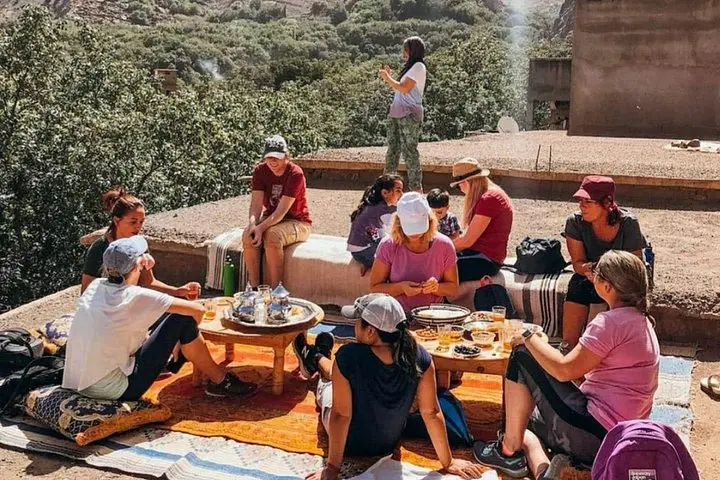
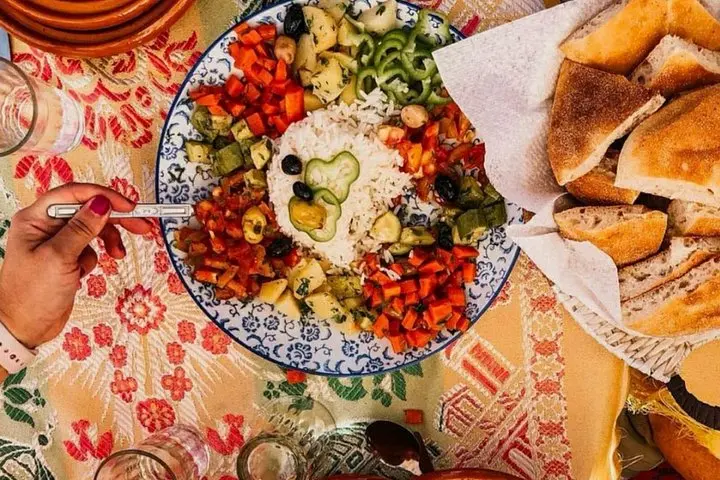
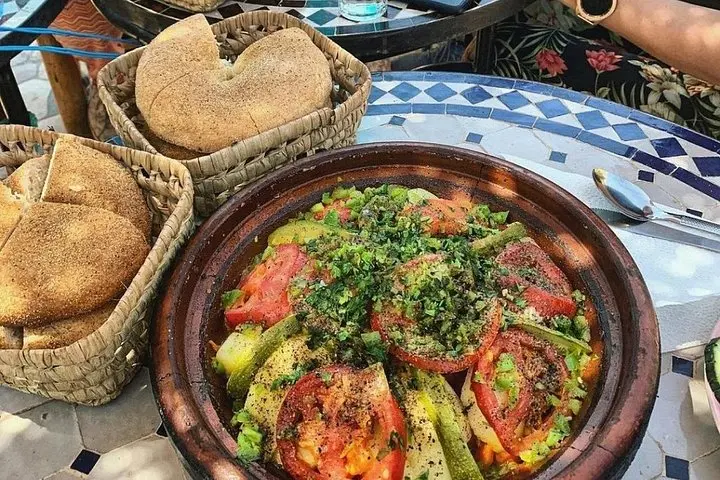
Yes—breakfast at a women’s cooperative and a family lunch in a Berber house are included; inform the operator of dietary restrictions in advance.
No special permits are required; the tour provides a local guide and transportation. The ksar is a UNESCO site—follow signage and local guidance to protect the site.
Amazouz Morocco Tours operates guided outdoor trips and adventures with an emphasis on safety, stewardship, and memorable experiences.
You arrive before breakfast light softens the red-baked walls of the ksar — mud-brick houses stacked like stepping stones against a sunburnt hill. The road climbs out of Marrakech, through eucalyptus windbreaks and over the Kik plateau; by midmorning you are walking between walnut groves and small Berber hamlets where the air smells of fresh bread and mint tea.
You arrive before breakfast light softens the red-baked walls of the ksar — mud-brick houses stacked like stepping stones against a sunburnt hill. The road climbs out of Marrakech, through eucalyptus windbreaks and over the Kik plateau; by midmorning you are walking between walnut groves and small Berber hamlets where the air smells of fresh bread and mint tea.
The route threads past an argan cooperative and a 20-minute camel ride across open fields, then winds into Imlil valley at roughly 1,800 m where a local guide leads a two-hour walk through terraces, a small waterfall, and villages such as Armed and Ait Souka. Geologically, these valleys are the western foothills of the High Atlas — folded, uplifted rock beneath a skin of alluvial soils that feed the orchards. Culturally, you’ll move through Amazigh (Berber) communities where kasbah-style architecture and family-run riads reflect centuries of trade across the pre-Saharan routes; the ksar itself is a UNESCO earthen stronghold shaped by long dry seasons and seasonal floods.
Practical guidance: this is a full-day outing (about 8 hours door-to-door) with moderate walking on dirt tracks and village lanes. Wear sturdy shoes, sun protection, and layered clothing — mornings are cool, midday is warm. Carry at least 1–2 liters of water and bring cash for small purchases and tips. Respect private homes and ask before photographing people. The day mixes cultural contact with easy hiking, making it ideal for travelers who want approachable immersion in Atlas landscapes and village life.