THE ADVENTURE COLLECTIVE® · Independent discovery and booking for outdoor travel

Travel from Marrakesh over the dramatic Tizi n Tichka pass to the UNESCO-listed ksar of Ait Ben Haddou. This private day trip combines scenic mountain driving, guided kasbah tours, and optional camel rides or a local lunch.
Travel from Marrakesh over the dramatic Tizi n Tichka pass to the UNESCO-listed ksar of Ait Ben Haddou. This private day trip combines scenic mountain driving, guided kasbah tours, and optional camel rides or a local lunch.
A low sun breaks over the High Atlas as a minivan threads the Road of the Kasbahs, the mountains pushing cold air into the cabin and the pass unfolding like a stage. By mid-morning the ochre walls of Ait Ben Haddou rise from the desert plain — towers, alleyways and grain silos sculpted from local clay that catch the light and the eye.
Verified experiences and guided adventures in the surrounding area.
Operated by Marrakesh-trip · Ait Benhaddou, Ouarzazate Province
A low sun breaks over the High Atlas as a minivan threads the Road of the Kasbahs, the mountains pushing cold air into the cabin and the pass unfolding like a stage. By mid-morning the ochre walls of Ait Ben Haddou rise from the desert plain — towers, alleyways and grain silos sculpted from local clay that catch the light and the eye.
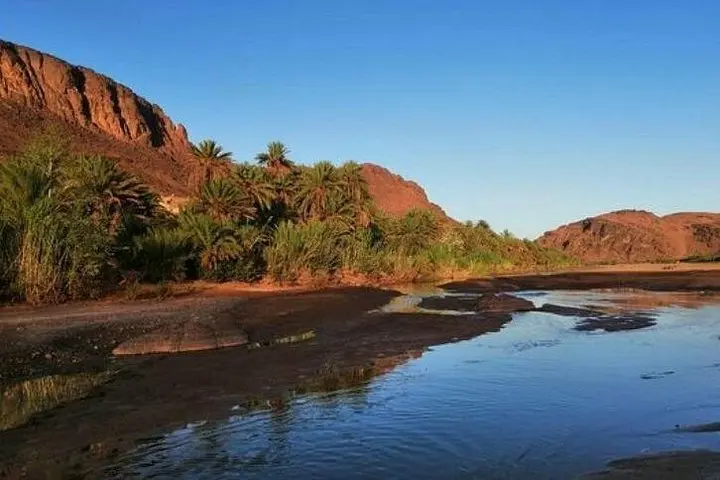
The ksar sits on an old trans-Saharan route; its earthen architecture and clustered kasbahs grew where trade, taxation and defense intersected. Geology here is simple and stark: weathered red-brown mud and stone carved into defensive villages, with Tizi n Tichka cutting through schist and volcanic deposits at 2,260 m. Local life still orbits seasonal irrigation and road-side craft stalls selling pottery and carpets made from nearby valleys.
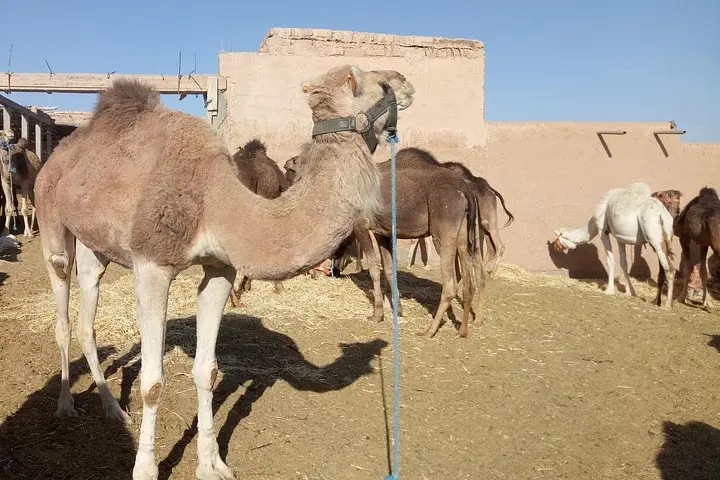
On a private day trip from Marrakesh visitors can expect long but scenic drives, short guided walks across uneven, compacted mud-brick streets, and photo stops at roadside viewpoints. Guides explain construction techniques and the ksar’s role in caravan history; optional upgrades include a short camel ride or a local lunch in a family-run riad outside the walls.
Practicalities: bring sun protection, at least 2 liters of water, and shoes with good tread for cobbled lanes and loose gravel. Dress in layers—the pass can be sharply cooler than Marrakesh—and plan for 10–12 hours round-trip including pickup and drop-off. Respect private areas; much of the ksar is still inhabited, so follow your guide and tread lightly to help preserve the mud-brick fabric.
Expect roughly 3–4 hours each way depending on stops, with the full excursion taking about 10–12 hours including guided time at the ksar.
Some areas have narrow, uneven lanes; parts of the route and vehicle are wheelchair accessible but movement through the ksar itself can be challenging—check with the operator for tailored arrangements.
Yes, most operators offer optional camel rides and local lunches as upgrades; specify when booking so arrangements can be made.
Spring and fall offer mild temperatures and comfortable walking; summer is hot but manageable with early starts, and winter can be cool at altitude with occasional rain.
Marrakesh-trip operates guided outdoor trips and adventures with an emphasis on safety, stewardship, and memorable experiences.
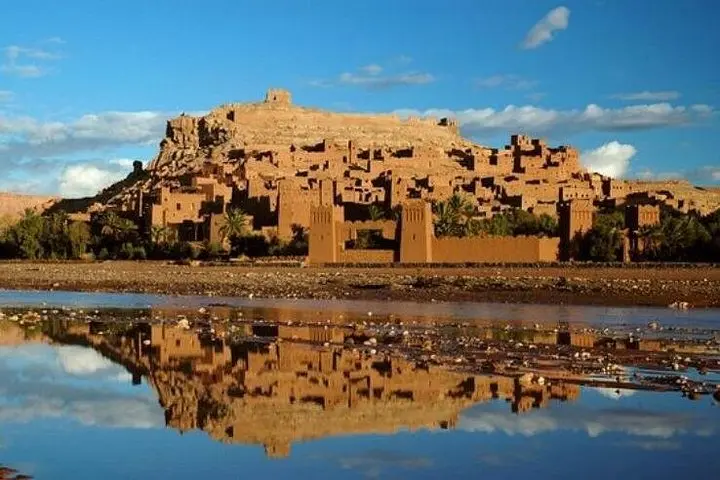
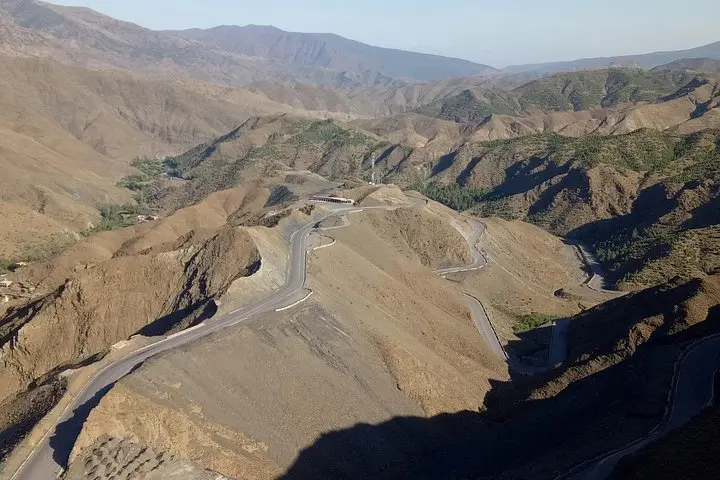
A low sun breaks over the High Atlas as a minivan threads the Road of the Kasbahs, the mountains pushing cold air into the cabin and the pass unfolding like a stage. By mid-morning the ochre walls of Ait Ben Haddou rise from the desert plain — towers, alleyways and grain silos sculpted from local clay that catch the light and the eye.
A low sun breaks over the High Atlas as a minivan threads the Road of the Kasbahs, the mountains pushing cold air into the cabin and the pass unfolding like a stage. By mid-morning the ochre walls of Ait Ben Haddou rise from the desert plain — towers, alleyways and grain silos sculpted from local clay that catch the light and the eye.
The ksar sits on an old trans-Saharan route; its earthen architecture and clustered kasbahs grew where trade, taxation and defense intersected. Geology here is simple and stark: weathered red-brown mud and stone carved into defensive villages, with Tizi n Tichka cutting through schist and volcanic deposits at 2,260 m. Local life still orbits seasonal irrigation and road-side craft stalls selling pottery and carpets made from nearby valleys.
On a private day trip from Marrakesh visitors can expect long but scenic drives, short guided walks across uneven, compacted mud-brick streets, and photo stops at roadside viewpoints. Guides explain construction techniques and the ksar’s role in caravan history; optional upgrades include a short camel ride or a local lunch in a family-run riad outside the walls.
Practicalities: bring sun protection, at least 2 liters of water, and shoes with good tread for cobbled lanes and loose gravel. Dress in layers—the pass can be sharply cooler than Marrakesh—and plan for 10–12 hours round-trip including pickup and drop-off. Respect private areas; much of the ksar is still inhabited, so follow your guide and tread lightly to help preserve the mud-brick fabric.