THE ADVENTURE COLLECTIVE® · Independent discovery and booking for outdoor travel

Walk the ancient lanes of Aït Benhaddou on a full-day trip from Marrakech. Explore mud-brick architecture, panoramic Atlas views, and sites used in famous films while learning about Berber heritage and local life.
Walk the ancient lanes of Aït Benhaddou on a full-day trip from Marrakech. Explore mud-brick architecture, panoramic Atlas views, and sites used in famous films while learning about Berber heritage and local life.
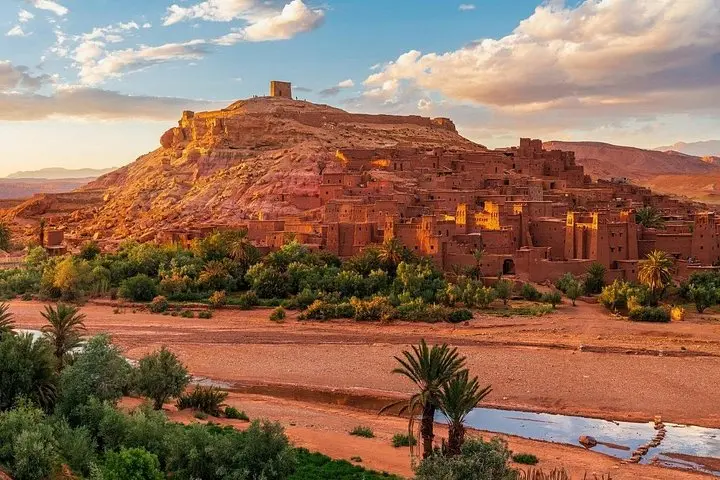
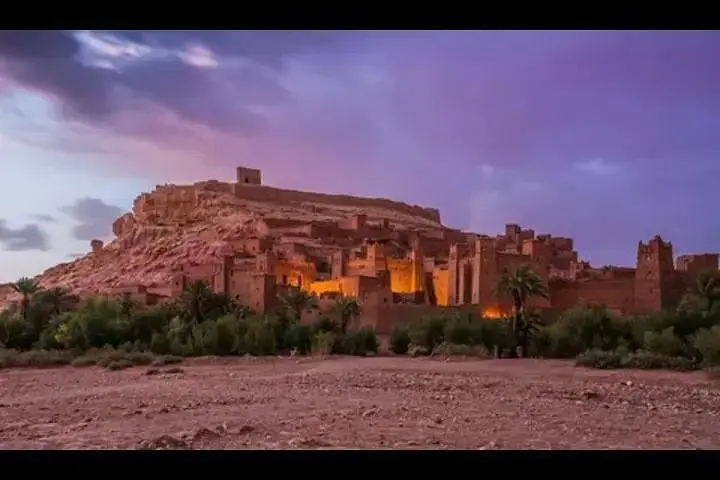
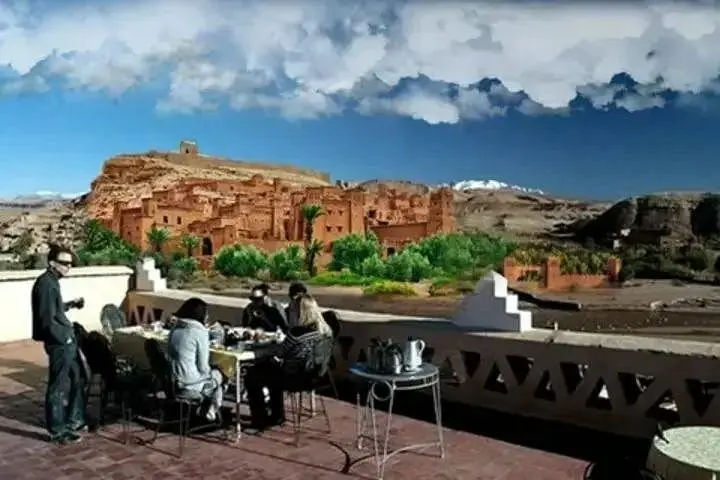
You step out of the minivan as heat and stone meet: the kasbah’s honey-colored walls glow under the Atlas sun while the High Atlas ridges hold the horizon like a slow-moving audience. Narrow lanes open to rooftop perches where carved wooden balconies and mud-brick facades create patterns of shadow and light. The soundtrack is a mix of local vendors, distant traffic, and the occasional bleat of goats negotiating the path.
Verified experiences and guided adventures in the surrounding area.
Operated by morocco travel holidays · Ait Benhaddou, Drâa-Tafilalet
You step out of the minivan as heat and stone meet: the kasbah’s honey-colored walls glow under the Atlas sun while the High Atlas ridges hold the horizon like a slow-moving audience. Narrow lanes open to rooftop perches where carved wooden balconies and mud-brick facades create patterns of shadow and light. The soundtrack is a mix of local vendors, distant traffic, and the occasional bleat of goats negotiating the path.
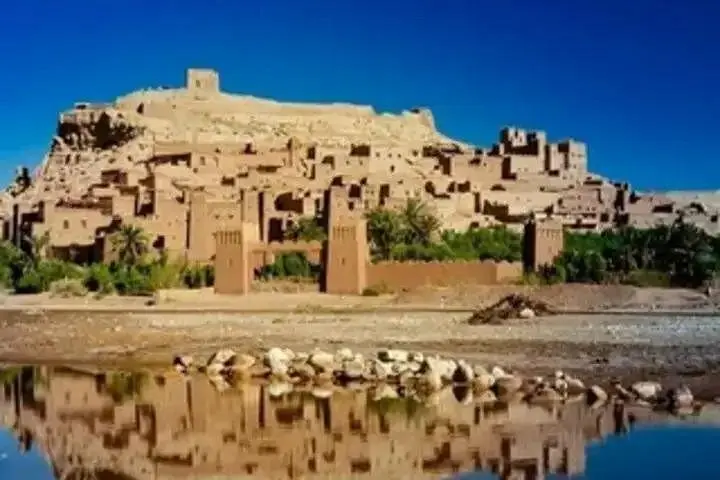
Aït Benhaddou is a fortified ksar, a roadside community of earthen buildings built and maintained by Berber hands for centuries. Its architecture—rammed earth and sun-dried brick—responds directly to the region’s geology: alluvial plains fed by Atlas runoff provide building material, and the kasbah’s silhouette reflects defensive needs of historic caravan routes linking Marrakech to the Sahara. Film crews discovered those cinematic lines long ago; you’ll recognize scenes from major productions, but the site’s living culture remains centered on local families and seasonal trade.
In practical terms, expect about a two-to-three hour guided exploration of the kasbah with additional time for panoramic stops and the drive through the Tizi n’Tichka passes. Wear sturdy shoes for uneven stone and loose dust, carry at least one liter of water, and plan for sun and wind exposure. Photography is generous—sunrise and late afternoon cast the best light—while the guide will explain key houses, kasbah defense strategies, and where to find traditional pottery and local mint tea. The day trip is an accessible, low-technical adventure that delivers both landscape and history in a single long day.
Expect around 3–4 hours each way depending on traffic and stops; the tour includes transport time in its 11-hour schedule.
Yes—paths are manageable for children who can handle short climbs; supervise near steep drops and uneven steps.
This tour lists kasbah admission as included; confirm with the operator if any optional museum fees or extras apply.
Yes—small vendors offer pottery, textiles, and local souvenirs; carry cash in small denominations and be prepared to bargain politely.
morocco travel holidays operates guided outdoor trips and adventures with an emphasis on safety, stewardship, and memorable experiences.
You step out of the minivan as heat and stone meet: the kasbah’s honey-colored walls glow under the Atlas sun while the High Atlas ridges hold the horizon like a slow-moving audience. Narrow lanes open to rooftop perches where carved wooden balconies and mud-brick facades create patterns of shadow and light. The soundtrack is a mix of local vendors, distant traffic, and the occasional bleat of goats negotiating the path.
You step out of the minivan as heat and stone meet: the kasbah’s honey-colored walls glow under the Atlas sun while the High Atlas ridges hold the horizon like a slow-moving audience. Narrow lanes open to rooftop perches where carved wooden balconies and mud-brick facades create patterns of shadow and light. The soundtrack is a mix of local vendors, distant traffic, and the occasional bleat of goats negotiating the path.
Aït Benhaddou is a fortified ksar, a roadside community of earthen buildings built and maintained by Berber hands for centuries. Its architecture—rammed earth and sun-dried brick—responds directly to the region’s geology: alluvial plains fed by Atlas runoff provide building material, and the kasbah’s silhouette reflects defensive needs of historic caravan routes linking Marrakech to the Sahara. Film crews discovered those cinematic lines long ago; you’ll recognize scenes from major productions, but the site’s living culture remains centered on local families and seasonal trade.
In practical terms, expect about a two-to-three hour guided exploration of the kasbah with additional time for panoramic stops and the drive through the Tizi n’Tichka passes. Wear sturdy shoes for uneven stone and loose dust, carry at least one liter of water, and plan for sun and wind exposure. Photography is generous—sunrise and late afternoon cast the best light—while the guide will explain key houses, kasbah defense strategies, and where to find traditional pottery and local mint tea. The day trip is an accessible, low-technical adventure that delivers both landscape and history in a single long day.