THE ADVENTURE COLLECTIVE® · Independent discovery and booking for outdoor travel

Spend two focused days exploring Ajanta’s painted Buddhist caves and Ellora’s monolithic Kailash Temple by air‑conditioned tempo traveller from Aurangabad. This practical guide outlines what to expect, how to prepare, and local touches that make the trip memorable.
Spend two focused days exploring Ajanta’s painted Buddhist caves and Ellora’s monolithic Kailash Temple by air‑conditioned tempo traveller from Aurangabad. This practical guide outlines what to expect, how to prepare, and local touches that make the trip memorable.
You roll out of Aurangabad before dawn, the AC tempo traveller humming as the Deccan plain unwinds into low, weathered cliffs. The first light picks out ochre and umber bands on cave mouths—Ajanta’s painted walls seem to hold their breath beneath the sandstone-darkened basalt.
Verified experiences and guided adventures in the surrounding area.
Operated by Aurangabad by Local · Aurangabad, Maharashtra
You roll out of Aurangabad before dawn, the AC tempo traveller humming as the Deccan plain unwinds into low, weathered cliffs. The first light picks out ochre and umber bands on cave mouths—Ajanta’s painted walls seem to hold their breath beneath the sandstone-darkened basalt.
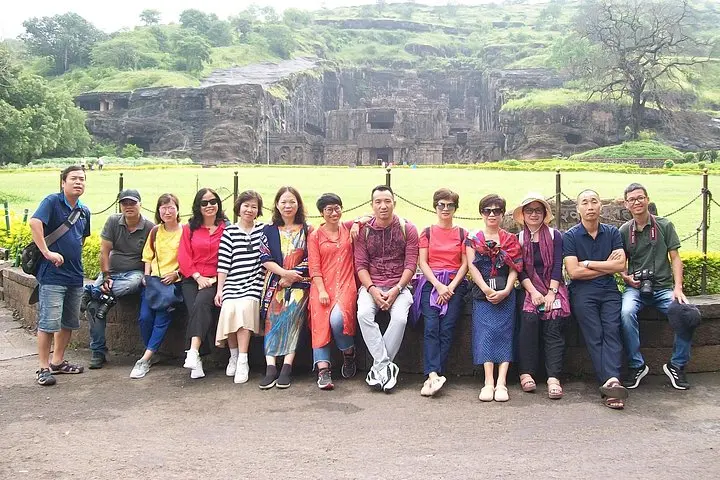
Ajanta and Ellora occupy two very different chapters of Maharashtra’s rock-cut story. Ajanta’s Buddhist monasteries and murals date back to the 2nd century BCE and survive as rare examples of ancient figurative painting. Ellora, formed between the 6th and 10th centuries CE, stitches Buddhist, Hindu and Jain shrines into one cliff face; the monolithic Kailash Temple is a single-cutter’s act of ambition carved downward from the top.
Geologically these sites are carved into Deccan basalt flows; weathering and human hands have shaped stepped courtyards, pillared halls and frescoed sanctums. Local culture honors this legacy—temple festivals in Aurangabad, small-town bazaars selling local paithani silk, and roadside stalls offering chai and roasted peanuts.
Practically: plan two full days—Ajanta first, Ellora second—with an AC vehicle for the 100+ km road stretches. Expect uneven stone steps, short steep climbs and limited on-site shade. Photography of paintings may be restricted and admissions are typically purchased at each site. Carry water, sun protection, and a small daypack; comfortable walking shoes and a steady pace make both days far more enjoyable. The tour fits travelers with moderate fitness who want concentrated time with some of India’s most remarkable rock-cut architecture.
This tour description indicates admission is not included; plan to purchase tickets at the site or confirm with the operator before travel.
Ajanta is about 100–110 km north of Aurangabad while Ellora is roughly 30 km northwest of the city; expect several hours of road time between sites and hotels.
Both sites have uneven stone steps and slopes; visitors with limited mobility may find access challenging—check specific accessibility options with the tour operator in advance.
October–March offers cooler, drier weather and clearer skies; monsoon months can affect road conditions and visitor access.
Aurangabad by Local operates guided outdoor trips and adventures with an emphasis on safety, stewardship, and memorable experiences.
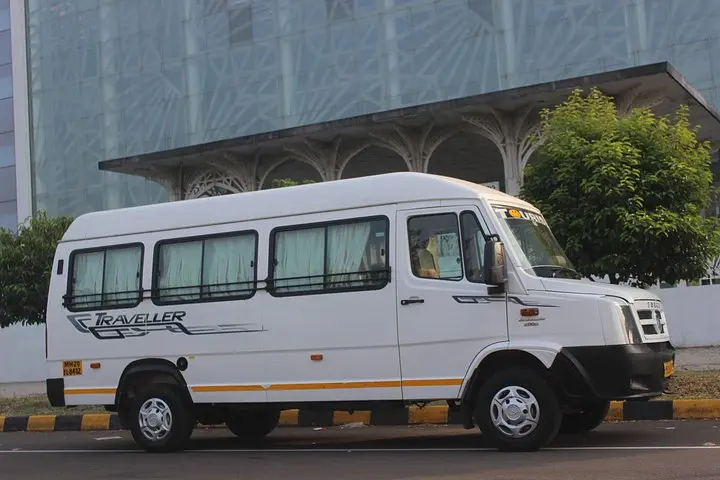

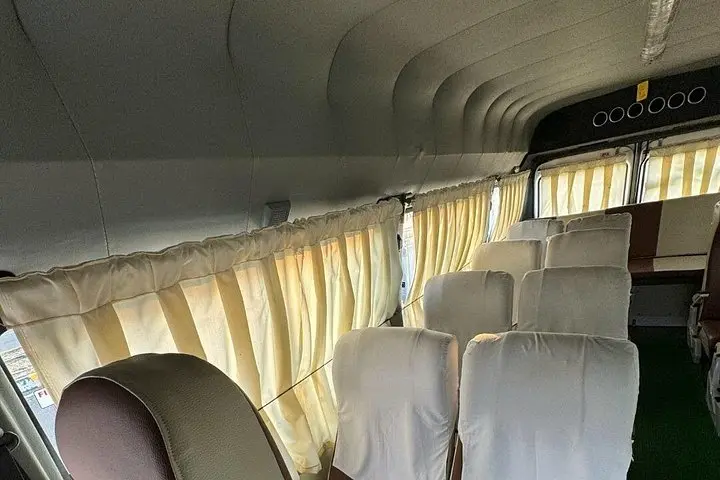
You roll out of Aurangabad before dawn, the AC tempo traveller humming as the Deccan plain unwinds into low, weathered cliffs. The first light picks out ochre and umber bands on cave mouths—Ajanta’s painted walls seem to hold their breath beneath the sandstone-darkened basalt.
You roll out of Aurangabad before dawn, the AC tempo traveller humming as the Deccan plain unwinds into low, weathered cliffs. The first light picks out ochre and umber bands on cave mouths—Ajanta’s painted walls seem to hold their breath beneath the sandstone-darkened basalt.
Ajanta and Ellora occupy two very different chapters of Maharashtra’s rock-cut story. Ajanta’s Buddhist monasteries and murals date back to the 2nd century BCE and survive as rare examples of ancient figurative painting. Ellora, formed between the 6th and 10th centuries CE, stitches Buddhist, Hindu and Jain shrines into one cliff face; the monolithic Kailash Temple is a single-cutter’s act of ambition carved downward from the top.
Geologically these sites are carved into Deccan basalt flows; weathering and human hands have shaped stepped courtyards, pillared halls and frescoed sanctums. Local culture honors this legacy—temple festivals in Aurangabad, small-town bazaars selling local paithani silk, and roadside stalls offering chai and roasted peanuts.
Practically: plan two full days—Ajanta first, Ellora second—with an AC vehicle for the 100+ km road stretches. Expect uneven stone steps, short steep climbs and limited on-site shade. Photography of paintings may be restricted and admissions are typically purchased at each site. Carry water, sun protection, and a small daypack; comfortable walking shoes and a steady pace make both days far more enjoyable. The tour fits travelers with moderate fitness who want concentrated time with some of India’s most remarkable rock-cut architecture.