THE ADVENTURE COLLECTIVE® · Independent discovery and booking for outdoor travel

Spend a full day tracking Akagera’s wildlife from the comfort of a pop-up roof vehicle. This guided pass takes you across savannahs, wetlands and Lake Ihema for close views of hippos, shoebills and reintroduced big mammals.
Spend a full day tracking Akagera’s wildlife from the comfort of a pop-up roof vehicle. This guided pass takes you across savannahs, wetlands and Lake Ihema for close views of hippos, shoebills and reintroduced big mammals.
Dawn breaks over Lake Ihema and the park exhales: hippos lift heavy heads from mirror-still water while a lone African fish eagle cuts the horizon. You’re in a pop-up roof vehicle, perched above savannah that flattens and swells into wetland — guides scanning tracks, radios alive with last-night observations. The landscape moves around you: lakes that dare you to look closer, papyrus reed beds that rustle like distant applause.
Verified experiences and guided adventures in the surrounding area.
Operated by New Dawn Associates · Kayonza, Eastern Province
Dawn breaks over Lake Ihema and the park exhales: hippos lift heavy heads from mirror-still water while a lone African fish eagle cuts the horizon. You’re in a pop-up roof vehicle, perched above savannah that flattens and swells into wetland — guides scanning tracks, radios alive with last-night observations. The landscape moves around you: lakes that dare you to look closer, papyrus reed beds that rustle like distant applause.
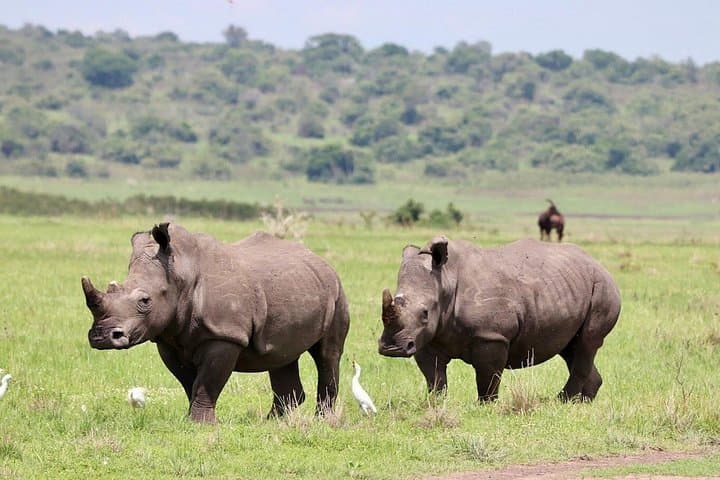
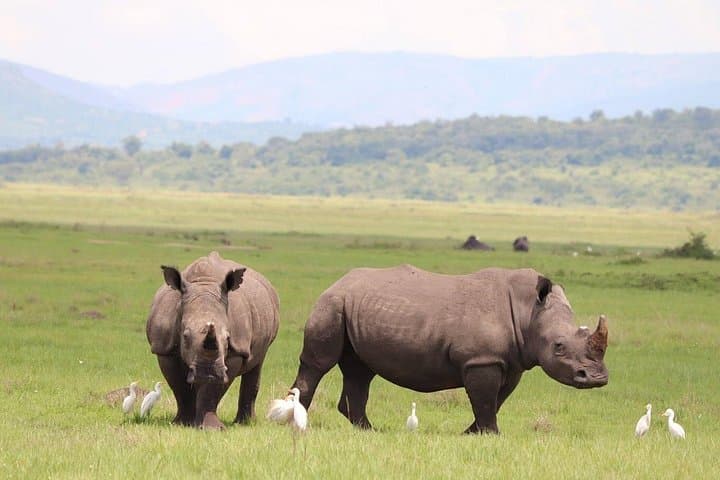
Akagera’s story is one of recovery. Decades of conflict left the park depleted; a focused conservation effort, species reintroductions and partnerships with African Parks have brought lions, rhinos and elephants back to their ranges. Geologically the park sits on youthful rift-edge plains where seasonal water collects into shallow lakes and swamps, shaping wildlife routes and feeding grounds. Local Kinyarwanda-speaking communities around the park contribute guiding knowledge and run small tourism services that benefit from visitor fees.
Expect a long day — most guided passes cover the southern to northern corridors and the shores of Lake Ihema, where shoebills, crocodiles and hippos congregate. Drives are mostly on graded dirt tracks; weather can turn surfaces muddy and slow progress. Bring sun protection, a camera with zoom, and patience: sightings are timed to animal movement, not your schedule.
Practical tips: book early for a guided vehicle, opt for guides with active radio networks, and plan return time to Kigali. Respect vehicle rules—no exiting without the ranger—and keep waste contained. This is a working conservation landscape: your best photos come from attentive observation, quiet voices, and a guide who knows when to point and when to wait.
The standard guided day pass is a full 13-hour day covering southern to northern park loops and Lake Ihema access.
Yes—park entrance fees are included with the guided day pass as noted in the inclusions.
Sightings aren’t guaranteed, but the guide network and vehicle access give good chances for elephants, buffalo, lions and occasionally leopards and rhinos depending on recent relocations.
Private transport is included; most tours pick up travelers from Kigali with specified pickup points.
New Dawn Associates operates guided outdoor trips and adventures with an emphasis on safety, stewardship, and memorable experiences.


Dawn breaks over Lake Ihema and the park exhales: hippos lift heavy heads from mirror-still water while a lone African fish eagle cuts the horizon. You’re in a pop-up roof vehicle, perched above savannah that flattens and swells into wetland — guides scanning tracks, radios alive with last-night observations. The landscape moves around you: lakes that dare you to look closer, papyrus reed beds that rustle like distant applause.
Dawn breaks over Lake Ihema and the park exhales: hippos lift heavy heads from mirror-still water while a lone African fish eagle cuts the horizon. You’re in a pop-up roof vehicle, perched above savannah that flattens and swells into wetland — guides scanning tracks, radios alive with last-night observations. The landscape moves around you: lakes that dare you to look closer, papyrus reed beds that rustle like distant applause.
Akagera’s story is one of recovery. Decades of conflict left the park depleted; a focused conservation effort, species reintroductions and partnerships with African Parks have brought lions, rhinos and elephants back to their ranges. Geologically the park sits on youthful rift-edge plains where seasonal water collects into shallow lakes and swamps, shaping wildlife routes and feeding grounds. Local Kinyarwanda-speaking communities around the park contribute guiding knowledge and run small tourism services that benefit from visitor fees.
Expect a long day — most guided passes cover the southern to northern corridors and the shores of Lake Ihema, where shoebills, crocodiles and hippos congregate. Drives are mostly on graded dirt tracks; weather can turn surfaces muddy and slow progress. Bring sun protection, a camera with zoom, and patience: sightings are timed to animal movement, not your schedule.
Practical tips: book early for a guided vehicle, opt for guides with active radio networks, and plan return time to Kigali. Respect vehicle rules—no exiting without the ranger—and keep waste contained. This is a working conservation landscape: your best photos come from attentive observation, quiet voices, and a guide who knows when to point and when to wait.