THE ADVENTURE COLLECTIVE® · Independent discovery and booking for outdoor travel

Spend a full day exploring Akagera's lakes, wetlands, and northern plains from Kigali. This guided safari balances big-mammal searches with rich birding and lakeside photography—ideal for families and first-time safaris.
Spend a full day exploring Akagera's lakes, wetlands, and northern plains from Kigali. This guided safari balances big-mammal searches with rich birding and lakeside photography—ideal for families and first-time safaris.
Dawn thickens over the eastern plains as your vehicle eases onto the red track into Akagera National Park. The savannah breathes—grass flattening where grazers passed the night, a distant hippo yawning in the rim of a lake, and flocks of kingfishers punctuating the air. Guides scan the horizon; binoculars click into place. This is a game-driven rhythm: quiet stretches of waiting, sudden rushes of motion, and long windows for photography.
Verified experiences and guided adventures in the surrounding area.
Operated by Izubasafaris · Kayonza, Eastern Province
Dawn thickens over the eastern plains as your vehicle eases onto the red track into Akagera National Park. The savannah breathes—grass flattening where grazers passed the night, a distant hippo yawning in the rim of a lake, and flocks of kingfishers punctuating the air. Guides scan the horizon; binoculars click into place. This is a game-driven rhythm: quiet stretches of waiting, sudden rushes of motion, and long windows for photography.
Akagera traces its modern history to colonial-era hunting reserves and became a national park in 1934; the park follows the Kagera River and a chain of lakes carved by tectonic shifts and seasonal floods. Cultural ties to local communities remain strong—trips often support nearby villages and park rangers who patrol for wildlife protection. Geologically, the park sits where Rwanda’s rolling hills meet eastern lowland plains and freshwater lakes, producing contrasting habitats from wetlands to acacia-studded savannah.
Practically, expect a full-day outing from Kigali with hotel pickup, air-conditioned transport, and a picnic lunch. The route is largely vehicle-based with brief guided walks where permitted; photographic opportunities are best in early morning and late afternoon light. Wear neutral clothing, bring sunscreen and a reusable water bottle (plastic bottles are restricted in the park), and keep voices low to increase your chances of close encounters. Guides adapt each drive to interests—birding, big mammals, or quiet landscape photography—so communicate your priorities before departure. With thoughtful preparation, a day in Akagera delivers close-up wildlife viewing without large crowds and a direct look at Rwanda’s ongoing conservation recovery.
Most pick-ups take about 2–2.5 hours each way depending on traffic and exact hotel location, making it a full-day outing.
Akagera supports lions, elephants, buffalo, leopards, and reintroduced rhinos; sightings depend on season, luck, and herd movements but guides maximize chances.
Yes—children are welcome when accompanied by adults, though infants may need to sit on laps during transport.
Plastic bottles are restricted; bring reusable water bottles and your guide will advise on refills and park rules.
Izubasafaris operates guided outdoor trips and adventures with an emphasis on safety, stewardship, and memorable experiences.
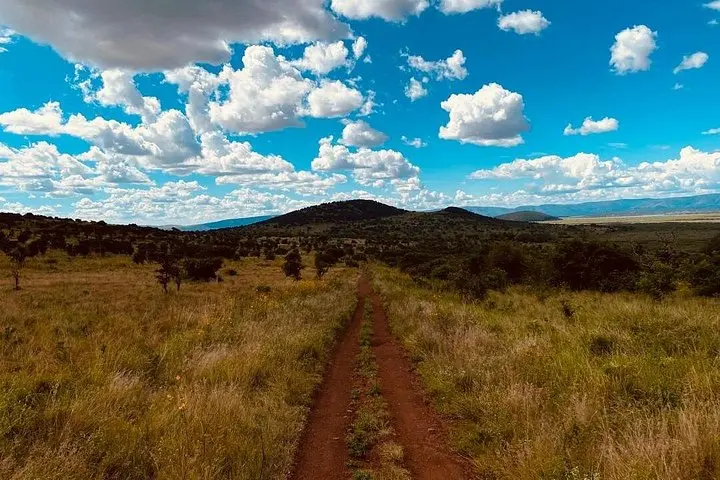
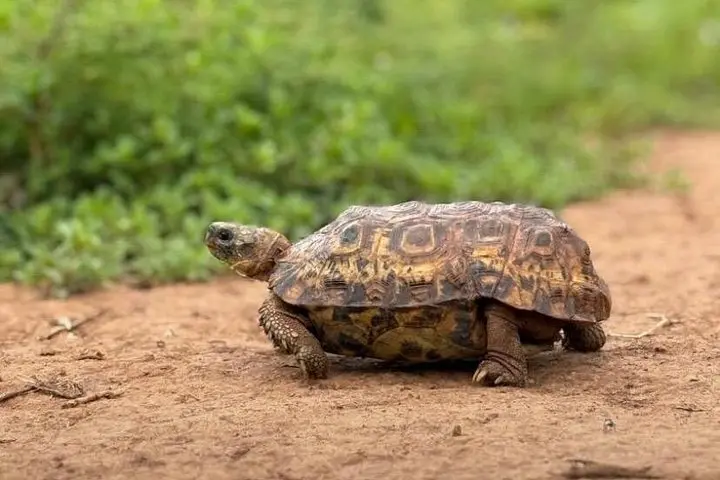
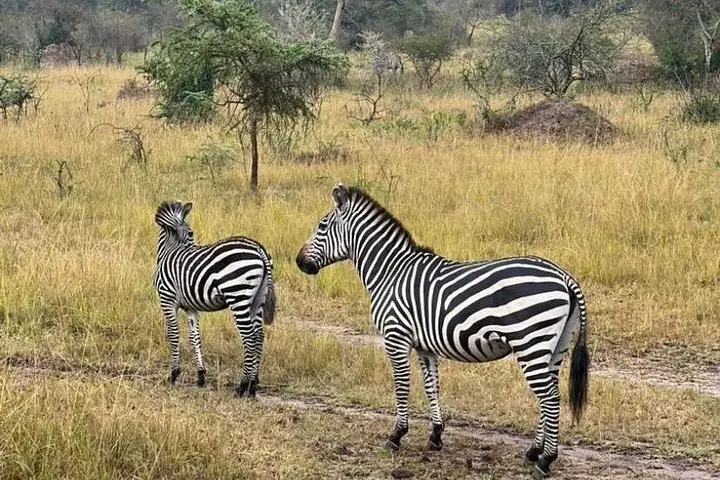
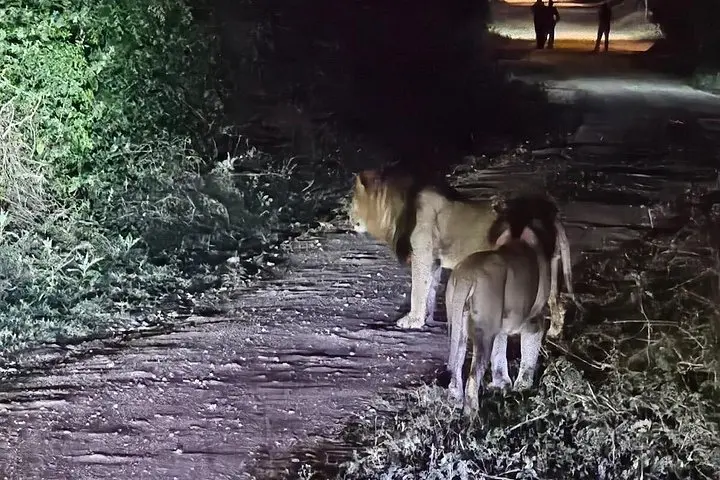
Dawn thickens over the eastern plains as your vehicle eases onto the red track into Akagera National Park. The savannah breathes—grass flattening where grazers passed the night, a distant hippo yawning in the rim of a lake, and flocks of kingfishers punctuating the air. Guides scan the horizon; binoculars click into place. This is a game-driven rhythm: quiet stretches of waiting, sudden rushes of motion, and long windows for photography.
Dawn thickens over the eastern plains as your vehicle eases onto the red track into Akagera National Park. The savannah breathes—grass flattening where grazers passed the night, a distant hippo yawning in the rim of a lake, and flocks of kingfishers punctuating the air. Guides scan the horizon; binoculars click into place. This is a game-driven rhythm: quiet stretches of waiting, sudden rushes of motion, and long windows for photography.
Akagera traces its modern history to colonial-era hunting reserves and became a national park in 1934; the park follows the Kagera River and a chain of lakes carved by tectonic shifts and seasonal floods. Cultural ties to local communities remain strong—trips often support nearby villages and park rangers who patrol for wildlife protection. Geologically, the park sits where Rwanda’s rolling hills meet eastern lowland plains and freshwater lakes, producing contrasting habitats from wetlands to acacia-studded savannah.
Practically, expect a full-day outing from Kigali with hotel pickup, air-conditioned transport, and a picnic lunch. The route is largely vehicle-based with brief guided walks where permitted; photographic opportunities are best in early morning and late afternoon light. Wear neutral clothing, bring sunscreen and a reusable water bottle (plastic bottles are restricted in the park), and keep voices low to increase your chances of close encounters. Guides adapt each drive to interests—birding, big mammals, or quiet landscape photography—so communicate your priorities before departure. With thoughtful preparation, a day in Akagera delivers close-up wildlife viewing without large crowds and a direct look at Rwanda’s ongoing conservation recovery.