THE ADVENTURE COLLECTIVE® · Independent discovery and booking for outdoor travel

Follow a cool mountain river through the Rif to the famed God’s Bridge and refreshing plunge pools. This 3–4 hour Akchour hike mixes easy scrambling, limestone features, and authentic Berber landscapes—ideal for active day-trippers based in Chefchaouen.
Follow a cool mountain river through the Rif to the famed God’s Bridge and refreshing plunge pools. This 3–4 hour Akchour hike mixes easy scrambling, limestone features, and authentic Berber landscapes—ideal for active day-trippers based in Chefchaouen.
You step off the dusty lane into a cool corridor of cedar and oak, the river ahead sounding like a steady conversation. Sunlight threads through the canopy and skips across limestone pools; a narrow track follows the water, and somewhere upriver the waterfalls call you onward. The air tastes of wet stone and wild mint—this is Akchour, where trails lead to suspended arches and plunge pools.
Verified experiences and guided adventures in the surrounding area.
Operated by Chefchaouen the Blue city guide youssef · Chefchaouen, Tanger-Tetouan-Al Hoceima
You step off the dusty lane into a cool corridor of cedar and oak, the river ahead sounding like a steady conversation. Sunlight threads through the canopy and skips across limestone pools; a narrow track follows the water, and somewhere upriver the waterfalls call you onward. The air tastes of wet stone and wild mint—this is Akchour, where trails lead to suspended arches and plunge pools.
Geologically the route carves through folded Rif limestone; centuries of water have hollowed natural bridges and polished cliffs, producing the dramatic cascades visitors seek. The Rif is historically a Berber landscape—small mountain villages, terraced fields, and local tales about God’s Bridge knit cultural texture into the hike.
Expect bright, tumble-stone streams, river crossings at low fords, and short scrambling sections near viewpoints. The classic loop to Paradise Valley and God’s Bridge is roughly 6–8 km round trip with 200–300 m cumulative elevation gain; most groups take 3–4 hours at a steady pace. In summer the pools offer a welcome swim; in spring the river runs high and lush green banks hold wildflowers.
Practically: wear grippy shoes for wet rocks, carry 1–2 liters of water, and start early to avoid mid-day heat and crowds. Respect local rules—no open fires, take out waste, and use established paths to minimize erosion. If you’re staying in Chefchaouen, plan transport ahead (shared taxis are common). The reward is straightforward: a clear river, a natural bridge daring you to cross, and views that make the climb worth each step.
The route is moderate: 6–8 km round trip with some short steep sections and rocky stream crossings—suitable for most active visitors.
Yes—swimming is common in warmer months, but check conditions and avoid jumping from cliffs; currents can be stronger after heavy rain.
Shared taxis, private taxis, or organized day trips run from Chefchaouen; the drive is about 40–60 minutes depending on road and traffic.
Basic food stalls may be near the trailhead and main attraction, but bring water and snacks as services are limited along the route.
Chefchaouen the Blue city guide youssef operates guided outdoor trips and adventures with an emphasis on safety, stewardship, and memorable experiences.
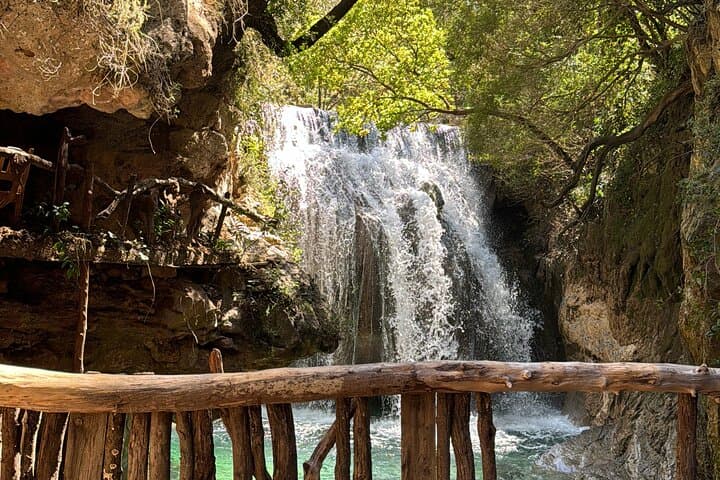


You step off the dusty lane into a cool corridor of cedar and oak, the river ahead sounding like a steady conversation. Sunlight threads through the canopy and skips across limestone pools; a narrow track follows the water, and somewhere upriver the waterfalls call you onward. The air tastes of wet stone and wild mint—this is Akchour, where trails lead to suspended arches and plunge pools.
You step off the dusty lane into a cool corridor of cedar and oak, the river ahead sounding like a steady conversation. Sunlight threads through the canopy and skips across limestone pools; a narrow track follows the water, and somewhere upriver the waterfalls call you onward. The air tastes of wet stone and wild mint—this is Akchour, where trails lead to suspended arches and plunge pools.
Geologically the route carves through folded Rif limestone; centuries of water have hollowed natural bridges and polished cliffs, producing the dramatic cascades visitors seek. The Rif is historically a Berber landscape—small mountain villages, terraced fields, and local tales about God’s Bridge knit cultural texture into the hike.
Expect bright, tumble-stone streams, river crossings at low fords, and short scrambling sections near viewpoints. The classic loop to Paradise Valley and God’s Bridge is roughly 6–8 km round trip with 200–300 m cumulative elevation gain; most groups take 3–4 hours at a steady pace. In summer the pools offer a welcome swim; in spring the river runs high and lush green banks hold wildflowers.
Practically: wear grippy shoes for wet rocks, carry 1–2 liters of water, and start early to avoid mid-day heat and crowds. Respect local rules—no open fires, take out waste, and use established paths to minimize erosion. If you’re staying in Chefchaouen, plan transport ahead (shared taxis are common). The reward is straightforward: a clear river, a natural bridge daring you to cross, and views that make the climb worth each step.