THE ADVENTURE COLLECTIVE® · Independent discovery and booking for outdoor travel

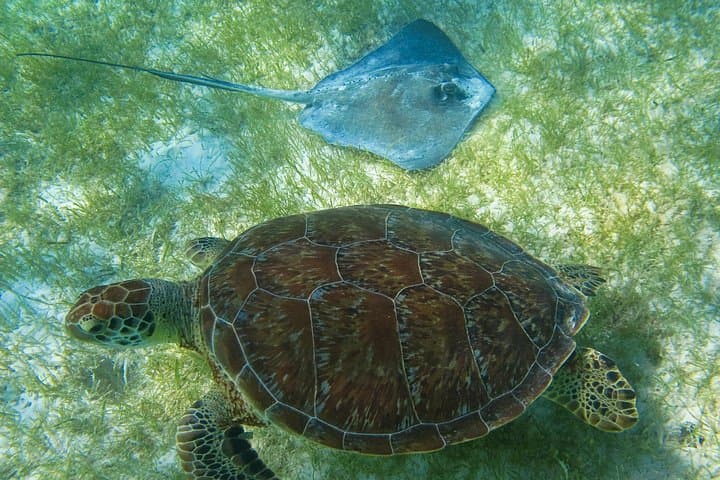
Float above seagrass beds where green and hawksbill turtles graze, then step into an underground cenote carved from Yucatán limestone. This half-day tour from Tulum mixes easy reef snorkel with a cool, cave-swim and hands-on natural history.
Float above seagrass beds where green and hawksbill turtles graze, then step into an underground cenote carved from Yucatán limestone. This half-day tour from Tulum mixes easy reef snorkel with a cool, cave-swim and hands-on natural history.
The morning light slices across Akumal Bay and the water answers with a glassy sheen; fins slap, the guide points, and a turtle unfurls its slow, deliberate path as if the reef itself invited you to watch.
Verified experiences and guided adventures in the surrounding area.
Operated by Tulum Tours l Paradise Adventours (tours en tulum) · Akumal, Quintana Roo
The morning light slices across Akumal Bay and the water answers with a glassy sheen; fins slap, the guide points, and a turtle unfurls its slow, deliberate path as if the reef itself invited you to watch.
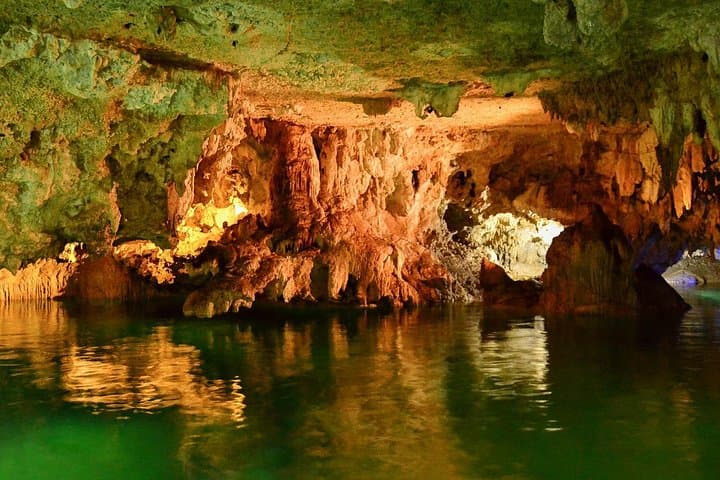
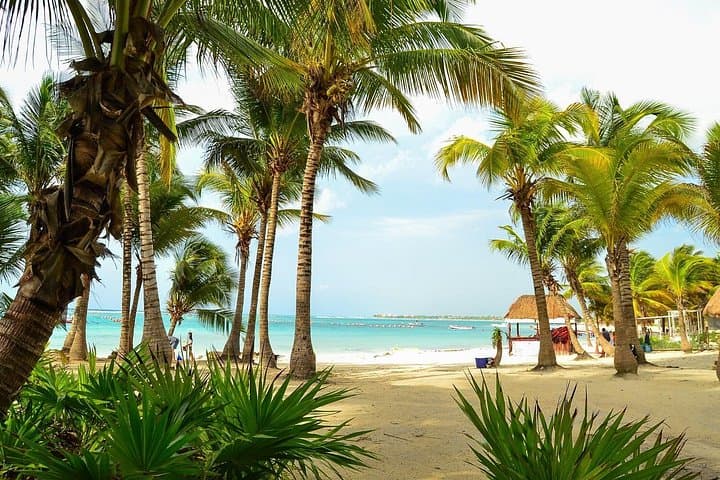
This combined snorkel-and-cenote trip pairs shallow reef ecology with the subterranean drama of the Yucatán’s karst landscape. The coastline around Akumal and Tulum supports coral ledges, seagrass beds and regular sightings of green and hawksbill turtles; farther inland the cenotes—collapsed limestone caverns formed by millennia of acidic groundwater—showcase stalactites and stalagmites and an almost cathedral-like calm.
The Maya regarded cenotes as sacred water portals; today they’re scientific windows into aquifer health and delicate cave formations. Culturally, the route links coastal fishing communities and a tourism economy attentive to marine life protection, while the geology tells the story of porous limestone, underground rivers and a shallow continental shelf that creates excellent snorkeling visibility.
Practically: expect a roughly five-hour outing, short boat or beach access to the reef, guided surface snorkels in shallow, protected water, then a transition to a fresh-water cenote with clear, cool swimming. Bring reef-safe sunscreen, a fitted mask, and a sense of patience—turtles are deliberate actors.
Safety notes: avoid touching or chasing wildlife, keep a low profile over seagrass beds, and follow your guide’s instructions on currents and boat approaches. Timing matters—mornings usually mean calmer seas and better light. For photographers, a snorkel mask with purge valve and a secure floating strap will protect both camera and memories.
The tour is approximately five hours and typically includes transportation, snorkeling equipment, a bilingual guide, lunch, drinks, and entrance/landing fees.
Turtle sightings are common but not guaranteed; guides choose reef areas with high likelihood, but wildlife is naturally unpredictable.
Participants should be comfortable in the water; non‑swimmers can often join with life vests and close guide support—check operator policies for minimum ages.
Yes—use a waterproof camera or a secure floating strap; avoid flash near cave formations and follow guide instructions in the cenote.
Tulum Tours l Paradise Adventours (tours en tulum) operates guided outdoor trips and adventures with an emphasis on safety, stewardship, and memorable experiences.

The morning light slices across Akumal Bay and the water answers with a glassy sheen; fins slap, the guide points, and a turtle unfurls its slow, deliberate path as if the reef itself invited you to watch.
The morning light slices across Akumal Bay and the water answers with a glassy sheen; fins slap, the guide points, and a turtle unfurls its slow, deliberate path as if the reef itself invited you to watch.
This combined snorkel-and-cenote trip pairs shallow reef ecology with the subterranean drama of the Yucatán’s karst landscape. The coastline around Akumal and Tulum supports coral ledges, seagrass beds and regular sightings of green and hawksbill turtles; farther inland the cenotes—collapsed limestone caverns formed by millennia of acidic groundwater—showcase stalactites and stalagmites and an almost cathedral-like calm.
The Maya regarded cenotes as sacred water portals; today they’re scientific windows into aquifer health and delicate cave formations. Culturally, the route links coastal fishing communities and a tourism economy attentive to marine life protection, while the geology tells the story of porous limestone, underground rivers and a shallow continental shelf that creates excellent snorkeling visibility.
Practically: expect a roughly five-hour outing, short boat or beach access to the reef, guided surface snorkels in shallow, protected water, then a transition to a fresh-water cenote with clear, cool swimming. Bring reef-safe sunscreen, a fitted mask, and a sense of patience—turtles are deliberate actors.
Safety notes: avoid touching or chasing wildlife, keep a low profile over seagrass beds, and follow your guide’s instructions on currents and boat approaches. Timing matters—mornings usually mean calmer seas and better light. For photographers, a snorkel mask with purge valve and a secure floating strap will protect both camera and memories.