THE ADVENTURE COLLECTIVE® · Independent discovery and booking for outdoor travel

Float alongside green sea turtles on the Mesoamerican Barrier Reef, then cool off in a Mayan cenote. This five-hour guided trip blends easy snorkeling with cultural and geological context for an accessible Riviera Maya nature day.
Float alongside green sea turtles on the Mesoamerican Barrier Reef, then cool off in a Mayan cenote. This five-hour guided trip blends easy snorkeling with cultural and geological context for an accessible Riviera Maya nature day.
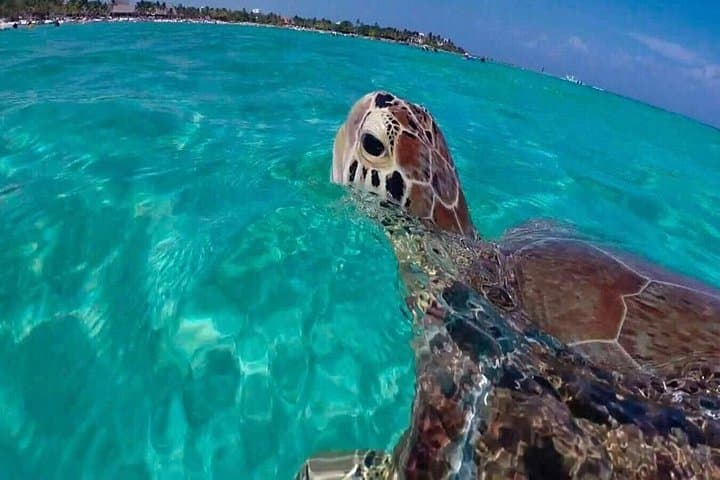
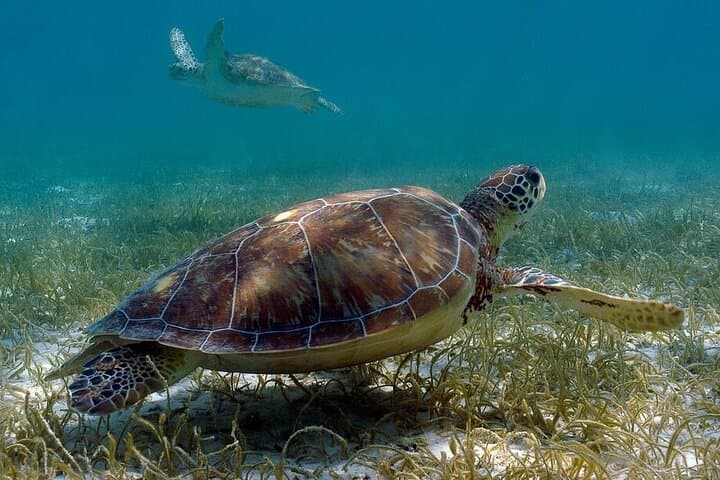
The morning light slices across a shallow bay as you step from warm sand into water bright with fish. In Akumal, the reef holds a quiet rhythm: currents push you along and sea turtles drift like old souls among branching coral. The guides clip on life vests, hand out masks, and point to a dark shape moving with slow purpose — the encounter begins.
Verified experiences and guided adventures in the surrounding area.
Operated by Nauticos del Caribe · Akumal, Quintana Roo
The morning light slices across a shallow bay as you step from warm sand into water bright with fish. In Akumal, the reef holds a quiet rhythm: currents push you along and sea turtles drift like old souls among branching coral. The guides clip on life vests, hand out masks, and point to a dark shape moving with slow purpose — the encounter begins.
This shoreline sits on the Mesoamerican Barrier Reef, the second-largest coral system in the world. Offshore reefs here formed on thousands of years of coral growth; inland, cenotes are the product of limestone collapse where rain and groundwater carved caverns that the Maya considered sacred entrances to the underworld.
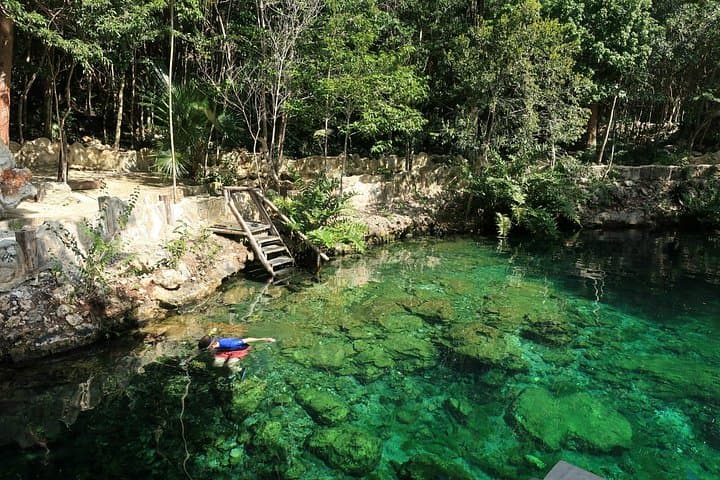
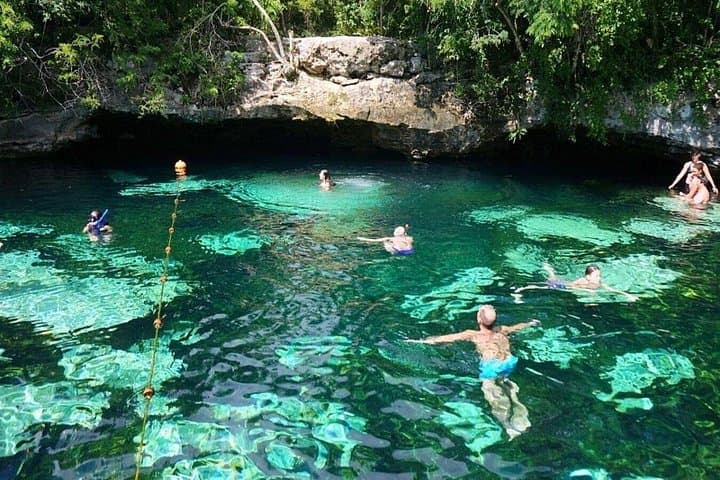
The day pairs two distinct geologies: shallow reef flats rich in parrotfish and green turtles, then a freshwater cenote set inside low jungle, the water cool and clear. Guides provide cultural context about Mayan reverence for cenotes and brief ecological notes about reef health and coral types you might see.
Practicalities are simple and straightforward. The tour runs about five hours with round-trip transport, life vests, and a bilingual guide; bring biodegradable sunscreen, a towel, and a light change of clothes. Expect easy to moderate snorkel conditions — currents can move you along but snorkeling is suitable for most non-competitive swimmers. Respect wildlife: observe turtles from a distance, avoid touching coral, and follow guide instructions. A short walk through jungle to the cenote closes the loop: cool water, shadowed limestone walls, and the quiet you feel after time in the sea.
The operator advertises regular turtle sightings and positions the snorkel in known feeding grounds, but sightings depend on animal movement and conditions—guides maximize chances without disturbing wildlife.
No advanced skills needed—life vests are provided and guides offer basic instruction; swimmers should be comfortable in open water and able to float.
A local preservation tax (often around USD 20) may be required at the site and is sometimes not included in the tour price—bring local cash just in case.
Cenote water is typically cooler than the sea (often in the low-mid 70s°F/around 22–24°C) and pleasantly clear; brief shock on entry is normal but manageable.
Nauticos del Caribe operates guided outdoor trips and adventures with an emphasis on safety, stewardship, and memorable experiences.
The morning light slices across a shallow bay as you step from warm sand into water bright with fish. In Akumal, the reef holds a quiet rhythm: currents push you along and sea turtles drift like old souls among branching coral. The guides clip on life vests, hand out masks, and point to a dark shape moving with slow purpose — the encounter begins.
The morning light slices across a shallow bay as you step from warm sand into water bright with fish. In Akumal, the reef holds a quiet rhythm: currents push you along and sea turtles drift like old souls among branching coral. The guides clip on life vests, hand out masks, and point to a dark shape moving with slow purpose — the encounter begins.
This shoreline sits on the Mesoamerican Barrier Reef, the second-largest coral system in the world. Offshore reefs here formed on thousands of years of coral growth; inland, cenotes are the product of limestone collapse where rain and groundwater carved caverns that the Maya considered sacred entrances to the underworld.
The day pairs two distinct geologies: shallow reef flats rich in parrotfish and green turtles, then a freshwater cenote set inside low jungle, the water cool and clear. Guides provide cultural context about Mayan reverence for cenotes and brief ecological notes about reef health and coral types you might see.
Practicalities are simple and straightforward. The tour runs about five hours with round-trip transport, life vests, and a bilingual guide; bring biodegradable sunscreen, a towel, and a light change of clothes. Expect easy to moderate snorkel conditions — currents can move you along but snorkeling is suitable for most non-competitive swimmers. Respect wildlife: observe turtles from a distance, avoid touching coral, and follow guide instructions. A short walk through jungle to the cenote closes the loop: cool water, shadowed limestone walls, and the quiet you feel after time in the sea.