THE ADVENTURE COLLECTIVE® · Independent discovery and booking for outdoor travel

Paddle calm, greenish waters formed from old limestone pits and weave through dense mangroves near Hikkaduwa. This two‑hour guided kayak brings close wildlife encounters, local history, and the odd thrill of drifting beneath a running train.
Paddle calm, greenish waters formed from old limestone pits and weave through dense mangroves near Hikkaduwa. This two‑hour guided kayak brings close wildlife encounters, local history, and the odd thrill of drifting beneath a running train.
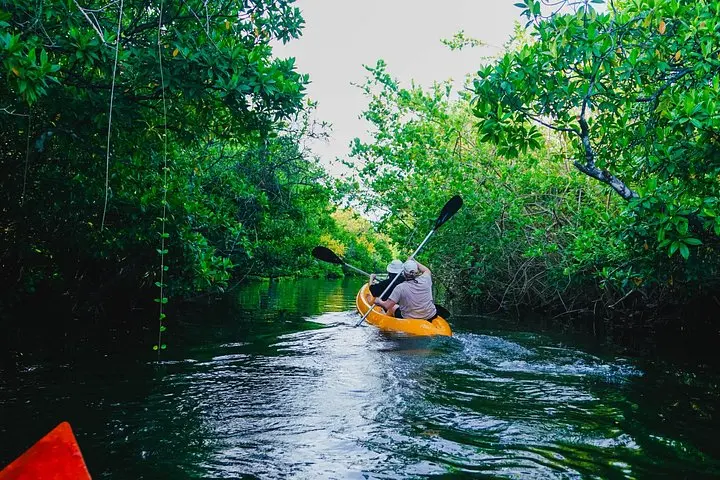
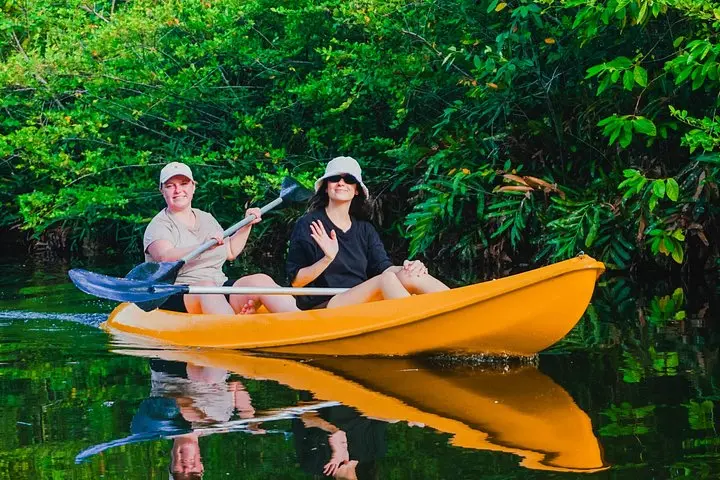
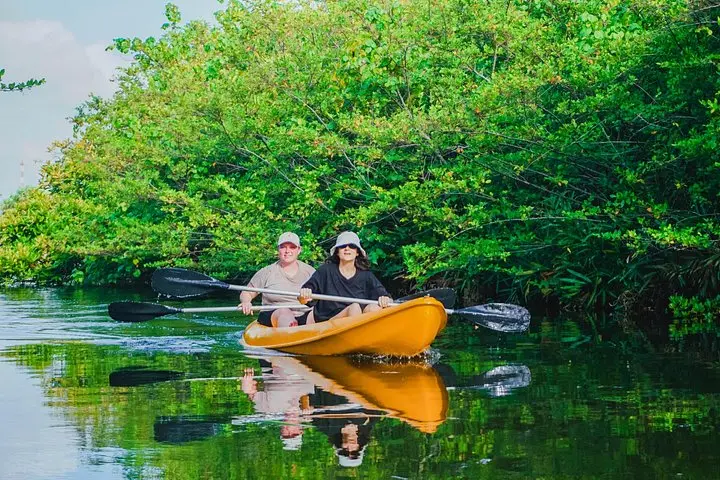
The morning air here tastes faintly of salt and wet wood as you push off into a narrow channel and the world narrows to the paddle’s rhythm. Mangrove roots lace the water’s edge and sunlight cuts between leaves; birds call from the canopy, and a water monitor slides like a shadow beneath the surface. At one point the railway rumbles overhead, and you pass directly beneath—an unexpected human punctuation in an otherwise hushed ecosystem.
Verified experiences and guided adventures in the surrounding area.
Operated by Happy Turtles International · Hikkaduwa, Southern Province
The morning air here tastes faintly of salt and wet wood as you push off into a narrow channel and the world narrows to the paddle’s rhythm. Mangrove roots lace the water’s edge and sunlight cuts between leaves; birds call from the canopy, and a water monitor slides like a shadow beneath the surface. At one point the railway rumbles overhead, and you pass directly beneath—an unexpected human punctuation in an otherwise hushed ecosystem.
This landscape grew from mid-20th‑century limestone pits left to flood and be reclaimed by mangroves; geology and local industry created the quiet lagoons you explore today. The mangroves are young in geological terms but rich in life—seasonal birds, bats at dusk, and small fish that feed the waterway. Culturally, the area sits along Sri Lanka’s southern coast where fishing and small-scale agriculture shape village rhythms; you may spot villagers collecting shellfish or drying nets.
Practically, this is a short, guided paddle—about two hours—on calm, shallow water with minimal current. Guides provide sit‑on‑top kayaks, basic instruction, and a locker for belongings; basic fitness and a willingness to paddle for short stretches are all you need. Wear quick-drying clothes, reef-safe sunscreen, and a hat; bring a small dry bag for your phone. Aim for early morning or late afternoon to avoid the harshest sun and increase wildlife sightings. Respect the mangroves: keep distance from roosting birds, avoid standing on roots, and follow your guide’s route to minimize disturbance. The trip combines uncomplicated paddling with close-up wildlife viewing and the odd thrill of passing under a running train—an unusual reminder of how human and natural histories intersect on Sri Lanka’s southern shore.
This is rated easy—basic paddling ability and the capacity to sit and paddle for short periods is enough; guides provide instruction and support.
You’ll often see birds and fish; sightings of water monitors and bats are common but never guaranteed—wildlife is seasonal and weather‑dependent.
Yes—life jackets, sit‑on‑top kayaks, paddles, and lockers for belongings are provided by the operator.
Yes; the calm, shallow waters make it family‑friendly, though operators may set age limits—confirm when booking.
Happy Turtles International operates guided outdoor trips and adventures with an emphasis on safety, stewardship, and memorable experiences.
The morning air here tastes faintly of salt and wet wood as you push off into a narrow channel and the world narrows to the paddle’s rhythm. Mangrove roots lace the water’s edge and sunlight cuts between leaves; birds call from the canopy, and a water monitor slides like a shadow beneath the surface. At one point the railway rumbles overhead, and you pass directly beneath—an unexpected human punctuation in an otherwise hushed ecosystem.
The morning air here tastes faintly of salt and wet wood as you push off into a narrow channel and the world narrows to the paddle’s rhythm. Mangrove roots lace the water’s edge and sunlight cuts between leaves; birds call from the canopy, and a water monitor slides like a shadow beneath the surface. At one point the railway rumbles overhead, and you pass directly beneath—an unexpected human punctuation in an otherwise hushed ecosystem.
This landscape grew from mid-20th‑century limestone pits left to flood and be reclaimed by mangroves; geology and local industry created the quiet lagoons you explore today. The mangroves are young in geological terms but rich in life—seasonal birds, bats at dusk, and small fish that feed the waterway. Culturally, the area sits along Sri Lanka’s southern coast where fishing and small-scale agriculture shape village rhythms; you may spot villagers collecting shellfish or drying nets.
Practically, this is a short, guided paddle—about two hours—on calm, shallow water with minimal current. Guides provide sit‑on‑top kayaks, basic instruction, and a locker for belongings; basic fitness and a willingness to paddle for short stretches are all you need. Wear quick-drying clothes, reef-safe sunscreen, and a hat; bring a small dry bag for your phone. Aim for early morning or late afternoon to avoid the harshest sun and increase wildlife sightings. Respect the mangroves: keep distance from roosting birds, avoid standing on roots, and follow your guide’s route to minimize disturbance. The trip combines uncomplicated paddling with close-up wildlife viewing and the odd thrill of passing under a running train—an unusual reminder of how human and natural histories intersect on Sri Lanka’s southern shore.