THE ADVENTURE COLLECTIVE® · Independent discovery and booking for outdoor travel

Walk through palm-lined oases, step inside restored forts, and drive up to Jebel Hafeet for sweeping views on this accessible cultural tour of Al Ain. Expect short walks, historic houses, local drinks, and clear context about Emirati history and water management.
Walk through palm-lined oases, step inside restored forts, and drive up to Jebel Hafeet for sweeping views on this accessible cultural tour of Al Ain. Expect short walks, historic houses, local drinks, and clear context about Emirati history and water management.
You step out of the air‑conditioned vehicle into a quiet corridor of palm trunks and date fronds; the oasis breathes cool air after the city heat, and the market calls with the low banter of sellers. This guided loop through Al Ain traces human settlement carved around water—stone forts, a living oasis, and a town shaped by caravan routes and family dynasties.
Verified experiences and guided adventures in the surrounding area.
Operated by Rhythm of the Sands – Al Ain City Tours · Al Ain, Abu Dhabi
You step out of the air‑conditioned vehicle into a quiet corridor of palm trunks and date fronds; the oasis breathes cool air after the city heat, and the market calls with the low banter of sellers. This guided loop through Al Ain traces human settlement carved around water—stone forts, a living oasis, and a town shaped by caravan routes and family dynasties.
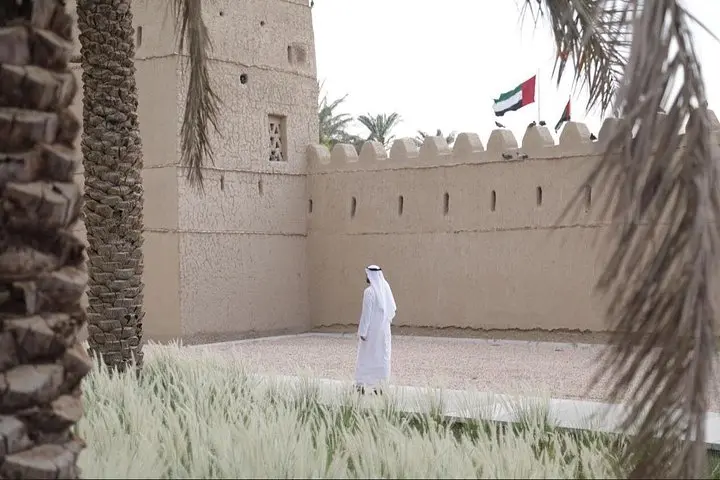
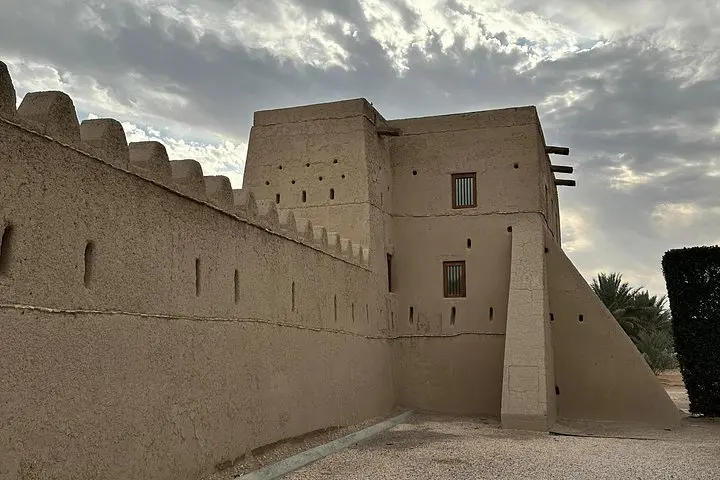
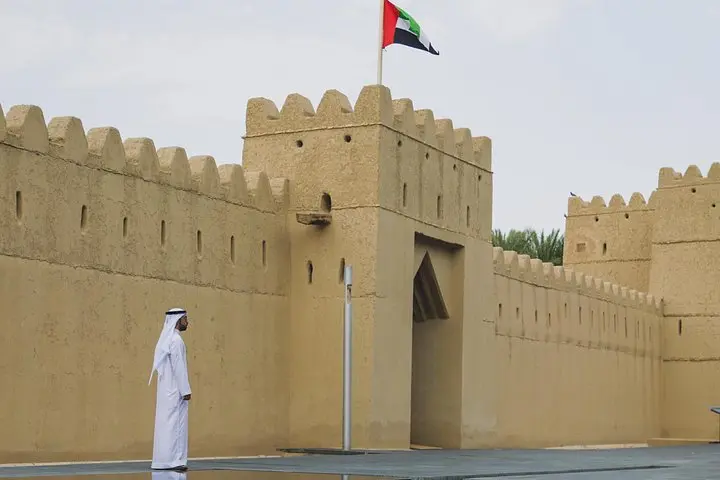
Archaeological evidence shows Al Ain as one of the UAE’s oldest continuously inhabited areas, with Bronze Age tombs and falaj irrigation systems that still move water through shade and soil. The architecture you’ll visit—16th–20th century forts and the whitewashed houses of local leaders—reflects practical responses to climate and trade. Jebel Hafeet’s limestone spine looms on the horizon, its geology folding millennia into the skyline and offering the region’s best panoramic lookout by vehicle.
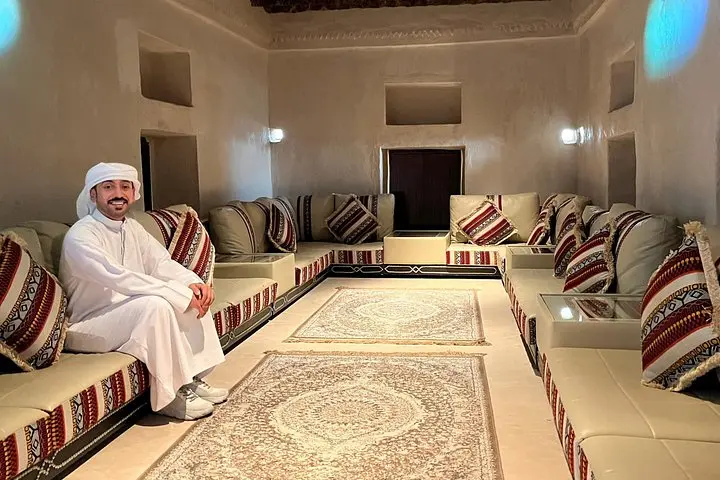
Culturally the tour introduces Emirati practices—Karak tea, dates, and basic greetings—while museums and restored houses explain the transition from subsistence oasis life to oil‑era modernization.
Practical guidance: tours commonly last from an hour to a full day; expect short walking sections on paved and compacted paths, minimal elevation, and shaded stops. Dress conservatively for cultural sites, carry water and sun protection, and plan morning or late‑afternoon visits in summer. Photography is welcome, but be mindful at religious and private heritage sites. The route is accessible by vehicle, and many stops provide seating and restrooms. This is a low‑impact, high‑context experience—best for travelers wanting history, cultural context, and easy access to Al Ain’s unique desert‑oasis landscape.
The tour is flexible—bookable itineraries list from 1 hour up to a full‑day (approximately 1–8 hours) depending on stops selected.
Some heritage sites and museums may be included; confirm with your operator—tickets for specific museums are sometimes covered and sometimes not.
Many stops have vehicle access and some wheelchair‑friendly areas, but accessibility varies by site—check specific stop accessibility when booking.
Guides typically offer English and may provide basic Emirati Arabic phrases; confirm available guide languages when reserving.
Rhythm of the Sands – Al Ain City Tours operates guided outdoor trips and adventures with an emphasis on safety, stewardship, and memorable experiences.
You step out of the air‑conditioned vehicle into a quiet corridor of palm trunks and date fronds; the oasis breathes cool air after the city heat, and the market calls with the low banter of sellers. This guided loop through Al Ain traces human settlement carved around water—stone forts, a living oasis, and a town shaped by caravan routes and family dynasties.
You step out of the air‑conditioned vehicle into a quiet corridor of palm trunks and date fronds; the oasis breathes cool air after the city heat, and the market calls with the low banter of sellers. This guided loop through Al Ain traces human settlement carved around water—stone forts, a living oasis, and a town shaped by caravan routes and family dynasties.
Archaeological evidence shows Al Ain as one of the UAE’s oldest continuously inhabited areas, with Bronze Age tombs and falaj irrigation systems that still move water through shade and soil. The architecture you’ll visit—16th–20th century forts and the whitewashed houses of local leaders—reflects practical responses to climate and trade. Jebel Hafeet’s limestone spine looms on the horizon, its geology folding millennia into the skyline and offering the region’s best panoramic lookout by vehicle.
Culturally the tour introduces Emirati practices—Karak tea, dates, and basic greetings—while museums and restored houses explain the transition from subsistence oasis life to oil‑era modernization.
Practical guidance: tours commonly last from an hour to a full day; expect short walking sections on paved and compacted paths, minimal elevation, and shaded stops. Dress conservatively for cultural sites, carry water and sun protection, and plan morning or late‑afternoon visits in summer. Photography is welcome, but be mindful at religious and private heritage sites. The route is accessible by vehicle, and many stops provide seating and restrooms. This is a low‑impact, high‑context experience—best for travelers wanting history, cultural context, and easy access to Al Ain’s unique desert‑oasis landscape.