THE ADVENTURE COLLECTIVE® · Independent discovery and booking for outdoor travel

Walk the narrow lanes of Al Fahidi with a local guide, sip Arabic tea, visit the Coffee Museum and cross Dubai Creek by abra. This three-hour photography tour combines cultural context with practical tips for capturing Old Dubai.
Walk the narrow lanes of Al Fahidi with a local guide, sip Arabic tea, visit the Coffee Museum and cross Dubai Creek by abra. This three-hour photography tour combines cultural context with practical tips for capturing Old Dubai.
Early light threads through narrow lanes of wind-towered houses as the guide cups a steaming glass of Arabic tea and hands you dates — the tour begins in a neighborhood where the city’s past still sets the rhythm.
Verified experiences and guided adventures in the surrounding area.
Operated by ToursGuys.com · Dubai, Dubai
Early light threads through narrow lanes of wind-towered houses as the guide cups a steaming glass of Arabic tea and hands you dates — the tour begins in a neighborhood where the city’s past still sets the rhythm.
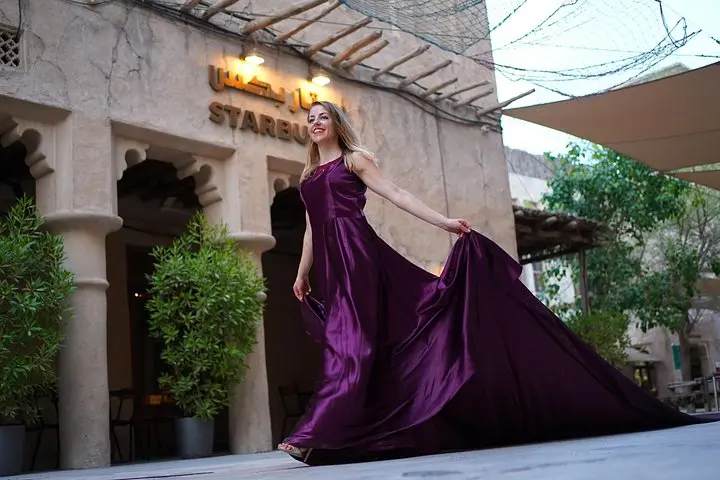
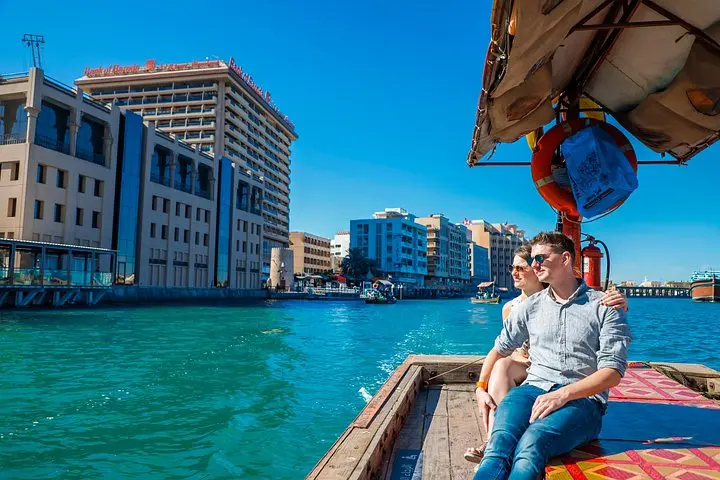
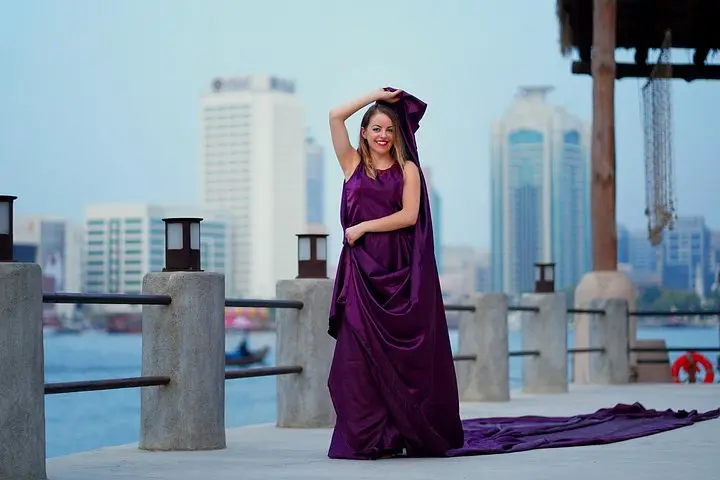
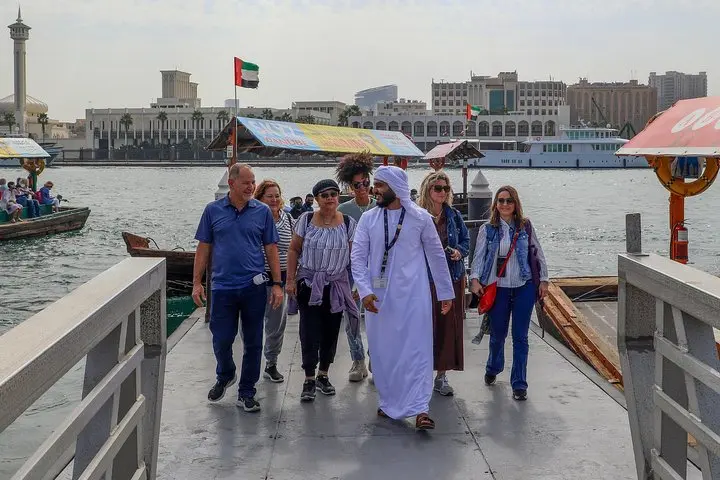
Al Fahidi (often called Al Bastakiya) preserves late-19th-century merchant houses and barjeel wind-towers that once cooled traders who arrived by creek. Stone alleys, carved wooden doors and bright textile stalls give way to the Coffee Museum and Al Seef’s creekside edge, where the abra — a small wooden ferry — nudges across water that remembers dhow trade. Expect close-up studies of texture and light: peeling plaster, lattice shadows, gleaming gold in the souk and steaming cups during a live Arabic coffee demonstration.
The area’s history is quick to reveal itself: Persian merchants, maritime trade and a boom that shifted Dubai from creek-side trading port to global hub. Today the district balances restoration with commerce; photography captures both craft and continuity.
Practical guidance: the tour runs about three hours with mostly flat, paved walking; wear modest, breathable clothing and comfortable shoes. Morning and late-afternoon light are best for photography and cooler temperatures; carry spare batteries and a small bottle of water — shops are frequent but lines form in peak season. Bring cash for the souks and quieter moments to practice composition in alleys and from the abra.
This is an accessible, sensory urban walk that rewards patience, respectful framing and a willingness to trade posed shots for candid slices of Dubai life.
The tour lasts about three hours and is rated easy—mostly flat paved streets and short distances between stops.
Modest dress is recommended: cover shoulders and knees, and remove shoes when entering mosques if asked.
Small tripods are usually fine for personal use, but check with the guide in crowded areas and respect privacy of local residents and religious spaces.
Arabic tea, dates and a live Arabic coffee session are included; additional food or purchases at the souks are at your own cost.
ToursGuys.com operates guided outdoor trips and adventures with an emphasis on safety, stewardship, and memorable experiences.
Early light threads through narrow lanes of wind-towered houses as the guide cups a steaming glass of Arabic tea and hands you dates — the tour begins in a neighborhood where the city’s past still sets the rhythm.
Early light threads through narrow lanes of wind-towered houses as the guide cups a steaming glass of Arabic tea and hands you dates — the tour begins in a neighborhood where the city’s past still sets the rhythm.
Al Fahidi (often called Al Bastakiya) preserves late-19th-century merchant houses and barjeel wind-towers that once cooled traders who arrived by creek. Stone alleys, carved wooden doors and bright textile stalls give way to the Coffee Museum and Al Seef’s creekside edge, where the abra — a small wooden ferry — nudges across water that remembers dhow trade. Expect close-up studies of texture and light: peeling plaster, lattice shadows, gleaming gold in the souk and steaming cups during a live Arabic coffee demonstration.
The area’s history is quick to reveal itself: Persian merchants, maritime trade and a boom that shifted Dubai from creek-side trading port to global hub. Today the district balances restoration with commerce; photography captures both craft and continuity.
Practical guidance: the tour runs about three hours with mostly flat, paved walking; wear modest, breathable clothing and comfortable shoes. Morning and late-afternoon light are best for photography and cooler temperatures; carry spare batteries and a small bottle of water — shops are frequent but lines form in peak season. Bring cash for the souks and quieter moments to practice composition in alleys and from the abra.
This is an accessible, sensory urban walk that rewards patience, respectful framing and a willingness to trade posed shots for candid slices of Dubai life.