THE ADVENTURE COLLECTIVE® · Independent discovery and booking for outdoor travel

Cliffside houses, sweeping canyon views and living Asiri traditions: this full-day tour from Abha pairs dramatic geology with markets, a fortress and a museum showcasing southern Arabian crafts. Expect moderate walking, strong photo ops and immersive cultural stops.
Cliffside houses, sweeping canyon views and living Asiri traditions: this full-day tour from Abha pairs dramatic geology with markets, a fortress and a museum showcasing southern Arabian crafts. Expect moderate walking, strong photo ops and immersive cultural stops.
A wind-cut ridge opens and the road narrows; below, a steep-sided gorge falls away like a page torn out of the map. On this full-day loop from Abha visitors reach Al Habala—often referred to locally as the “hanging village”—where stone houses cling to near-vertical cliffs and panoramic viewpoints look across a canyon-strewn section of the Asir highlands.
Verified experiences and guided adventures in the surrounding area.
Operated by GTS DMC · Abha, Asir
A wind-cut ridge opens and the road narrows; below, a steep-sided gorge falls away like a page torn out of the map. On this full-day loop from Abha visitors reach Al Habala—often referred to locally as the “hanging village”—where stone houses cling to near-vertical cliffs and panoramic viewpoints look across a canyon-strewn section of the Asir highlands.
The Asir Mountains are part of the Sarawat backbone, uplifted terrain shaped by tectonic forces and long-weathered plateaus that now present dramatic escarpments and fertile terraces. Al Habala’s cliff settlements grew from defensive needs and a culture of mountain agriculture; nearby Shemsan Castle marks Ottoman-era strategic control over the highlands. In Abha itself, Abu Khayal Park and the Tuesday Market reflect a living regional culture—fiber arts, southern women’s dress, and household woodwork on display at the Fatima Museum.
Practical guidance: the tour runs about 8–9 hours, includes admission fees and bottled water, and uses an air-conditioned vehicle for transfers. Expect moderate walking on uneven surfaces and stairs at viewpoints and museums; the operator notes the tour isn’t recommended for pregnant travelers or those with serious back issues. Bring layered clothing—mornings at 2,000+ meters can be cool despite hot lowlands—good footwear, sun protection, and a charged camera. Aim for morning departures for softer light and steadier mid-day temperatures. Respect private sites, follow local signage, and budget time for market browsing—souvenirs and handicrafts help sustain the mountain communities you’re visiting.
The full-day tour lasts about 8–9 hours with several short walks (15–30 minutes each) at viewpoints, the market, the castle and museums—moderate walking ability is sufficient.
Yes—an air-conditioned vehicle for transfers is included, with pickup details confirmed at booking; bottled water is also provided.
Families can visit, but children should be supervised at cliff-edge viewpoints and stairways; the tour notes it’s not suitable for those with serious spinal conditions or pregnant travelers.
Yes—the Tuesday Market and Fatima Museum area feature textiles, home décor and traditional southern attire; bring cash for smaller stalls.
GTS DMC operates guided outdoor trips and adventures with an emphasis on safety, stewardship, and memorable experiences.
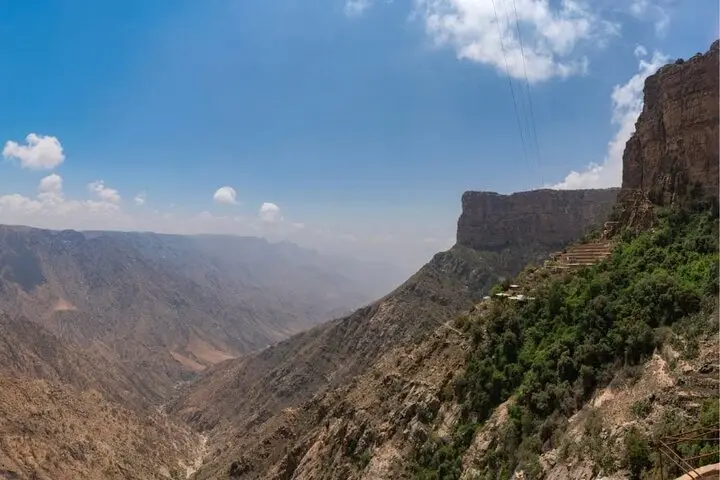
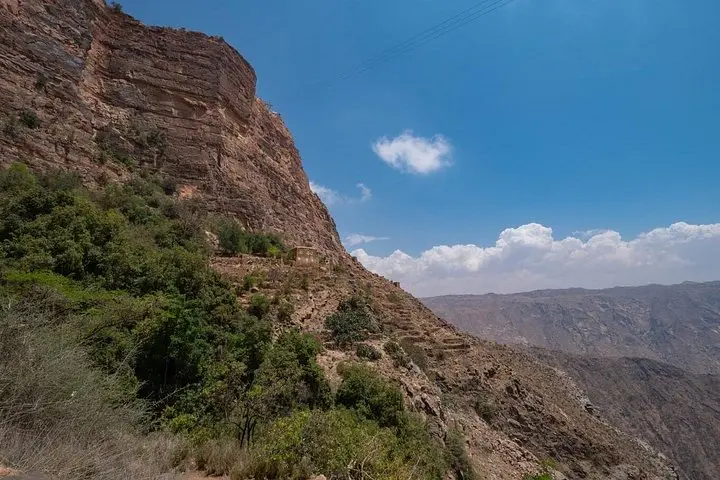
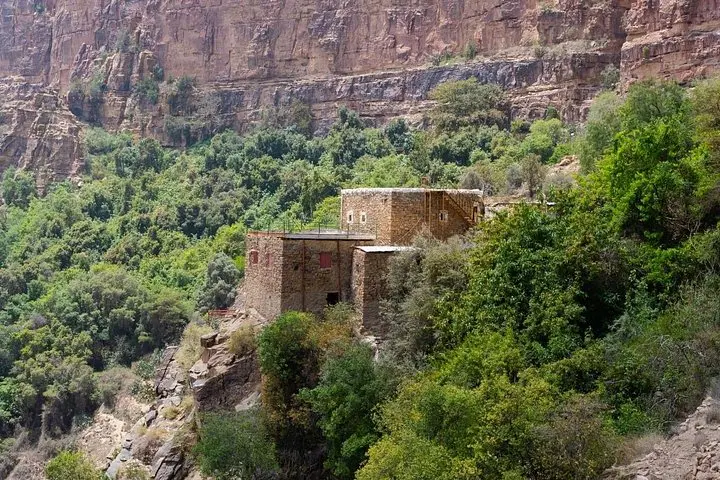
A wind-cut ridge opens and the road narrows; below, a steep-sided gorge falls away like a page torn out of the map. On this full-day loop from Abha visitors reach Al Habala—often referred to locally as the “hanging village”—where stone houses cling to near-vertical cliffs and panoramic viewpoints look across a canyon-strewn section of the Asir highlands.
A wind-cut ridge opens and the road narrows; below, a steep-sided gorge falls away like a page torn out of the map. On this full-day loop from Abha visitors reach Al Habala—often referred to locally as the “hanging village”—where stone houses cling to near-vertical cliffs and panoramic viewpoints look across a canyon-strewn section of the Asir highlands.
The Asir Mountains are part of the Sarawat backbone, uplifted terrain shaped by tectonic forces and long-weathered plateaus that now present dramatic escarpments and fertile terraces. Al Habala’s cliff settlements grew from defensive needs and a culture of mountain agriculture; nearby Shemsan Castle marks Ottoman-era strategic control over the highlands. In Abha itself, Abu Khayal Park and the Tuesday Market reflect a living regional culture—fiber arts, southern women’s dress, and household woodwork on display at the Fatima Museum.
Practical guidance: the tour runs about 8–9 hours, includes admission fees and bottled water, and uses an air-conditioned vehicle for transfers. Expect moderate walking on uneven surfaces and stairs at viewpoints and museums; the operator notes the tour isn’t recommended for pregnant travelers or those with serious back issues. Bring layered clothing—mornings at 2,000+ meters can be cool despite hot lowlands—good footwear, sun protection, and a charged camera. Aim for morning departures for softer light and steadier mid-day temperatures. Respect private sites, follow local signage, and budget time for market browsing—souvenirs and handicrafts help sustain the mountain communities you’re visiting.