THE ADVENTURE COLLECTIVE® · Independent discovery and booking for outdoor travel

Step into Old Dubai at Al Shindagha Museum, where 21 restored heritage houses line the creek and trace the city’s transformation from pearling village to global port. This practical guide tells you what to expect, how to plan your visit, and the best ways to make the most of the exhibits.
Step into Old Dubai at Al Shindagha Museum, where 21 restored heritage houses line the creek and trace the city’s transformation from pearling village to global port. This practical guide tells you what to expect, how to plan your visit, and the best ways to make the most of the exhibits.
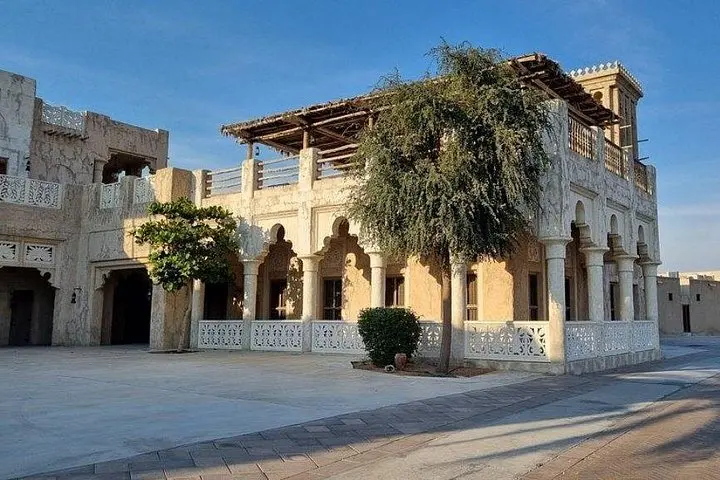
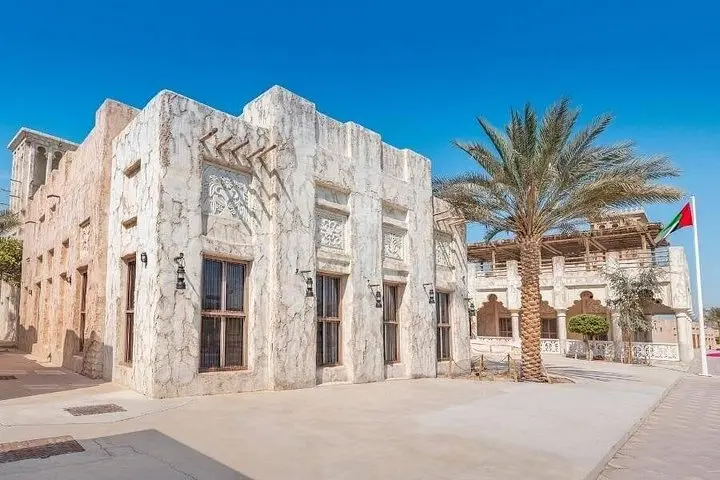
You arrive off the creek where a brisk breeze carries salt and cardamom, and a row of low, restored houses leans toward the water as if eavesdropping on the city’s origin story.
Verified experiences and guided adventures in the surrounding area.
Operated by GO KITE TRAVEL AND TOURS · Dubai, Dubai
You arrive off the creek where a brisk breeze carries salt and cardamom, and a row of low, restored houses leans toward the water as if eavesdropping on the city’s origin story.
Al Shindagha Museum occupies a compact district along Dubai Creek that maps the city’s switch from pearling and fishing to oil, trade, and global commerce. The site groups 21 heritage houses — including the former Al Maktoum Residence — into themed exhibits that unpack daily life, maritime craft, and civic history. Geologically the area sits on reclaimed alluvial flats shaped by tidal action; culturally it’s an interface between Bedouin, coastal, and later cosmopolitan influences.
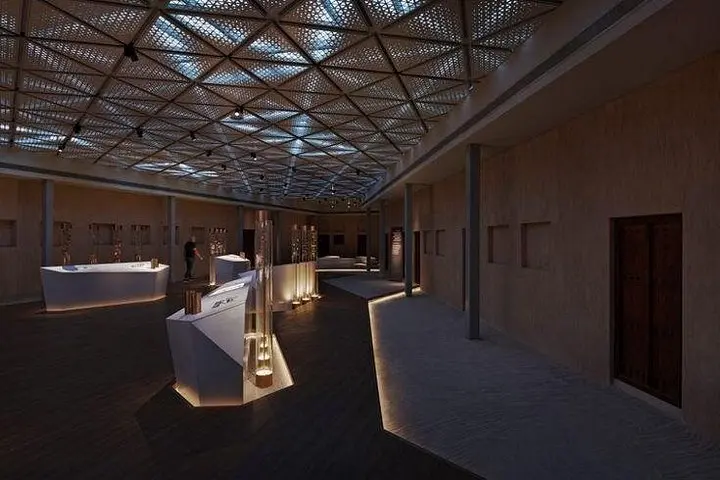
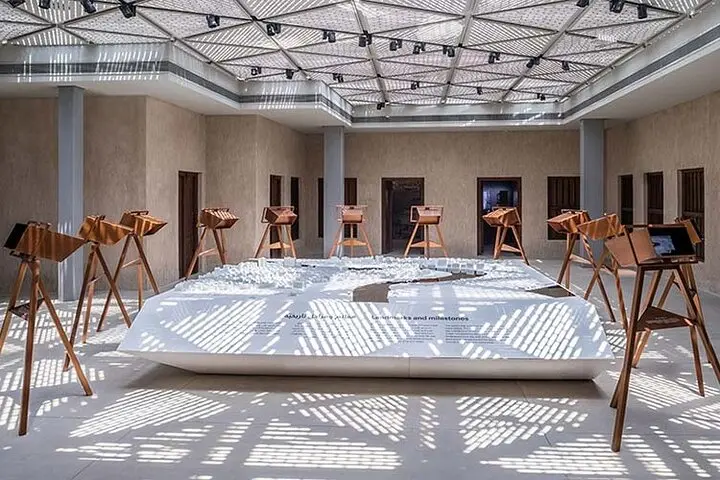
Walking the site is mostly flat and paved; expect steps inside restored rooms, shaded courtyards, and interactive installations that welcome families and students. The museum balances original architecture with contemporary interpretation — local craftsmen, old photographs, and audiovisual pieces that make the past tactile.
Practical guidance: allow two to four hours to move through the houses at an unhurried pace (the ticket window notes tours may extend to half a day for programs). Wear comfortable shoes for short courtyard steps, bring sun protection for midday visits along the creek, and plan public-transit or short taxi rides — parking and drop-offs are nearby. Accessibility is supported but some historic rooms have constraints. Finish your visit with a walk along the creekside to see traditional dhows readying for the evening light.
Plan 2–4 hours for the core exhibits; join special programs or deeper interpretive tours if available and allow up to half a day.
The site provides wheelchair-accessible routes and transport access, but some historic rooms have limited access due to original architecture.
Tickets are available as mobile or paper and can be purchased in advance; booking is recommended for peak times and educational programs.
The museum runs regular public and educational programs; check the schedule for guided segments or ask at arrival for current options.
GO KITE TRAVEL AND TOURS operates guided outdoor trips and adventures with an emphasis on safety, stewardship, and memorable experiences.
You arrive off the creek where a brisk breeze carries salt and cardamom, and a row of low, restored houses leans toward the water as if eavesdropping on the city’s origin story.
You arrive off the creek where a brisk breeze carries salt and cardamom, and a row of low, restored houses leans toward the water as if eavesdropping on the city’s origin story.
Al Shindagha Museum occupies a compact district along Dubai Creek that maps the city’s switch from pearling and fishing to oil, trade, and global commerce. The site groups 21 heritage houses — including the former Al Maktoum Residence — into themed exhibits that unpack daily life, maritime craft, and civic history. Geologically the area sits on reclaimed alluvial flats shaped by tidal action; culturally it’s an interface between Bedouin, coastal, and later cosmopolitan influences.
Walking the site is mostly flat and paved; expect steps inside restored rooms, shaded courtyards, and interactive installations that welcome families and students. The museum balances original architecture with contemporary interpretation — local craftsmen, old photographs, and audiovisual pieces that make the past tactile.
Practical guidance: allow two to four hours to move through the houses at an unhurried pace (the ticket window notes tours may extend to half a day for programs). Wear comfortable shoes for short courtyard steps, bring sun protection for midday visits along the creek, and plan public-transit or short taxi rides — parking and drop-offs are nearby. Accessibility is supported but some historic rooms have constraints. Finish your visit with a walk along the creekside to see traditional dhows readying for the evening light.