THE ADVENTURE COLLECTIVE® · Independent discovery and booking for outdoor travel

Explore Al Shindagha Museum on Dubai Creek to follow the emirate’s shift from pearling and dhow trade to modern metropolis. This concise guide outlines what to expect, where to go, and how to plan a one-hour cultural stop in the heart of historic Dubai.
Explore Al Shindagha Museum on Dubai Creek to follow the emirate’s shift from pearling and dhow trade to modern metropolis. This concise guide outlines what to expect, where to go, and how to plan a one-hour cultural stop in the heart of historic Dubai.
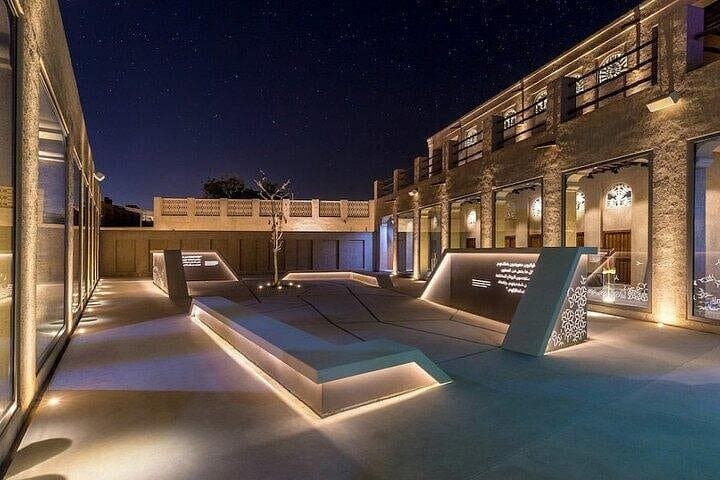
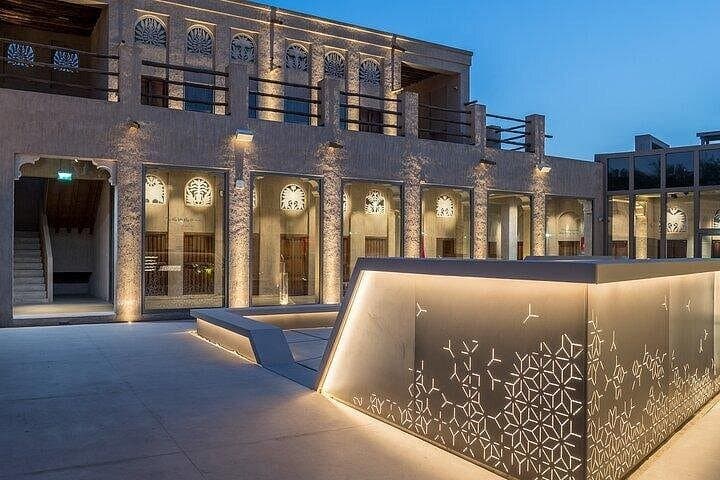
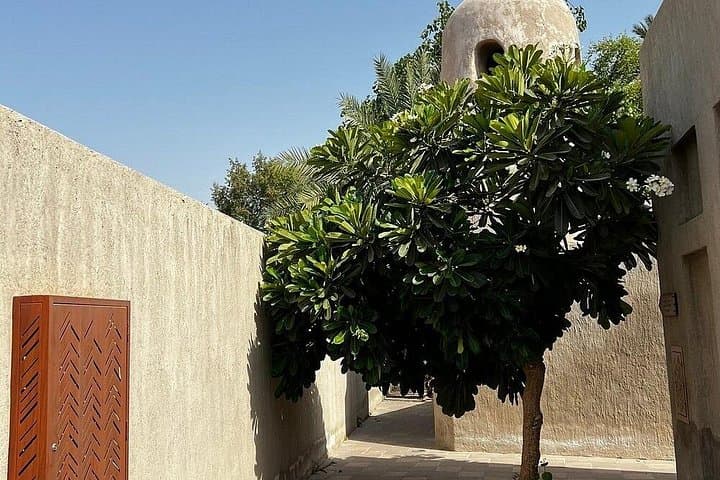
The low-slung houses along Dubai Creek fold into shade as the tide moves, and Al Shindagha Museum opens like a living map of the emirate’s past. Walkways creak with history; wind towers cast latticework shadows over courtyards where maritime stories and traded spices still feel present. The creek, patient and insistent, keeps the neighborhood tied to its seafaring roots.
Verified experiences and guided adventures in the surrounding area.
Operated by Arabian Destination Tourism Dubai · Dubai, Dubai
The low-slung houses along Dubai Creek fold into shade as the tide moves, and Al Shindagha Museum opens like a living map of the emirate’s past. Walkways creak with history; wind towers cast latticework shadows over courtyards where maritime stories and traded spices still feel present. The creek, patient and insistent, keeps the neighborhood tied to its seafaring roots.
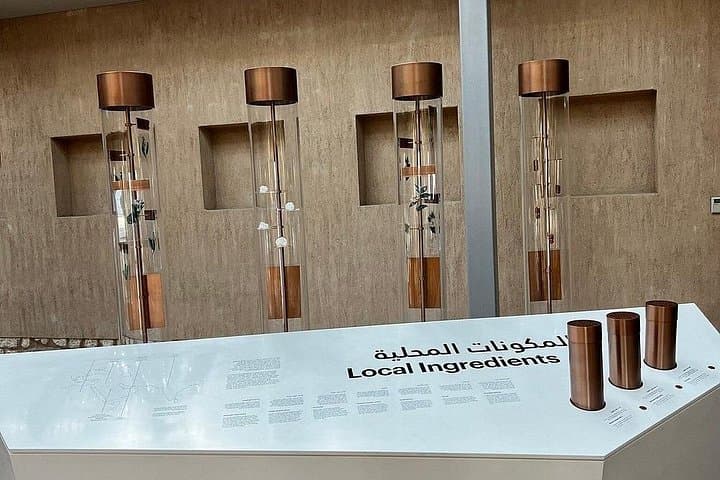
Al Shindagha traces Dubai’s shift from pearling and dhow trade to today’s skyline. The museum’s 21 Houses include the Al Maktoum Residence, which presents the ruling family’s role in city development and governance. Exhibits combine preserved rooms, architectural elements such as traditional wind towers, and interactive displays that introduce Emirati social life, crafts, and commerce across the 19th and 20th centuries.
Culture here is tactile: wood, palm fronds, and hand-painted doors. The district sits on reclaimed creekside sediments that shaped Dubai’s trading geography and made it a natural harbor for Arabian Gulf exchange. Local guides—multilingual and community-rooted—frame the displays with firsthand context.
Practicalities: the standard visit runs about 60 minutes; tickets are mobile-friendly and refundable if cancelled 24+ hours ahead. The site is wheelchair- and stroller-accessible; infants must sit on laps. Best times are early morning or late afternoon to avoid midday heat and tour-group rush. Combine the visit with an abra ride and the nearby Al Fahidi Historic District for a fuller half-day of heritage. Carry water, wear modest, breathable clothing, and budget an hour to 90 minutes to move through exhibits without hurrying.
Plan about 60 minutes for the main exhibits; 90 minutes if you intend to read labels, use audio components, or combine nearby sites.
Tickets are mobile and refundable if cancelled at least 24 hours before the scheduled time according to standard policy.
Yes—Al Shindagha Museum and associated transportation options are listed as wheelchair accessible; some historic rooms may have limited access.
The museum employs multilingual guides and informational materials; availability may vary so check onsite or with the booking provider for specific languages.
Arabian Destination Tourism Dubai operates guided outdoor trips and adventures with an emphasis on safety, stewardship, and memorable experiences.
The low-slung houses along Dubai Creek fold into shade as the tide moves, and Al Shindagha Museum opens like a living map of the emirate’s past. Walkways creak with history; wind towers cast latticework shadows over courtyards where maritime stories and traded spices still feel present. The creek, patient and insistent, keeps the neighborhood tied to its seafaring roots.
The low-slung houses along Dubai Creek fold into shade as the tide moves, and Al Shindagha Museum opens like a living map of the emirate’s past. Walkways creak with history; wind towers cast latticework shadows over courtyards where maritime stories and traded spices still feel present. The creek, patient and insistent, keeps the neighborhood tied to its seafaring roots.
Al Shindagha traces Dubai’s shift from pearling and dhow trade to today’s skyline. The museum’s 21 Houses include the Al Maktoum Residence, which presents the ruling family’s role in city development and governance. Exhibits combine preserved rooms, architectural elements such as traditional wind towers, and interactive displays that introduce Emirati social life, crafts, and commerce across the 19th and 20th centuries.
Culture here is tactile: wood, palm fronds, and hand-painted doors. The district sits on reclaimed creekside sediments that shaped Dubai’s trading geography and made it a natural harbor for Arabian Gulf exchange. Local guides—multilingual and community-rooted—frame the displays with firsthand context.
Practicalities: the standard visit runs about 60 minutes; tickets are mobile-friendly and refundable if cancelled 24+ hours ahead. The site is wheelchair- and stroller-accessible; infants must sit on laps. Best times are early morning or late afternoon to avoid midday heat and tour-group rush. Combine the visit with an abra ride and the nearby Al Fahidi Historic District for a fuller half-day of heritage. Carry water, wear modest, breathable clothing, and budget an hour to 90 minutes to move through exhibits without hurrying.