THE ADVENTURE COLLECTIVE® · Independent discovery and booking for outdoor travel

Step from Dubai’s modern skyline into the living history of Al Shindagha Museum, where restored houses, pavilions, and multimedia exhibits trace Emirati life from the creek’s trading era to today. Practical tips on timing, transit and what to expect inside.
Step from Dubai’s modern skyline into the living history of Al Shindagha Museum, where restored houses, pavilions, and multimedia exhibits trace Emirati life from the creek’s trading era to today. Practical tips on timing, transit and what to expect inside.
Walk out of the city’s glass-and-steel present and into a strand of streets where wind towers still stand and the creek’s tide seems to remember old trade routes.
Verified experiences and guided adventures in the surrounding area.
Operated by Golden Destination · Dubai, Dubai
Walk out of the city’s glass-and-steel present and into a strand of streets where wind towers still stand and the creek’s tide seems to remember old trade routes.
Al Shindagha Museum occupies more than 80 restored houses and 22 themed pavilions along Dubai Creek, where salt and silt shaped a trading port long before oil reshaped the skyline. Exhibits move from oral histories and dhow-building craft to the private life of the Al Maktoum residence, connecting local customs to the broader Gulf maritime landscape. Geology here is subtle: reclaimed shoreline, tidal flats and mangrove patches that once directed where boats landed now frame the museum’s waterfront setting.
Culturally, the site reads as a living archive—traditional music, pearl-diving narratives and civic memory presented with interactive storytelling and multimedia displays. The space balances tactile objects (boat models, household tools) with digital reconstructions that help younger visitors place artifacts in motion.
Practical guidance: plan 45–90 minutes; early morning or late afternoon slots avoid midday crowds and heat. The museum accepts mobile tickets and sits within easy reach of public transport and abras on the creek. Wear comfortable shoes—the grounds are mostly flat but include narrow historic alleys and some steps in restored houses. Bring sun protection for the exterior courtyards and keep a reusable water bottle; cafés and benches punctuate the route. Photography is generally permitted in public exhibits but check signage for restricted rooms. For families, hands-on zones make the visit interactive; for solo travelers, audio-rich displays provide context without a guide. Al Shindagha is a compact, well-curated pulse of Emirati history—direct, walkable and rooted in the creek that dared Dubai to trade with the world.
Most visitors spend 45–90 minutes exploring the pavilions and houses; allow extra time for special exhibitions or family activities.
Yes—mobile or paper tickets are accepted; book in advance if you want a specific time slot.
Yes—there are child-friendly zones and interactive exhibits, making it suitable for families with children.
The museum is largely accessible with flat routes, but some historic houses have steps—check with staff on-site for alternate routes or assistance.
Golden Destination operates guided outdoor trips and adventures with an emphasis on safety, stewardship, and memorable experiences.
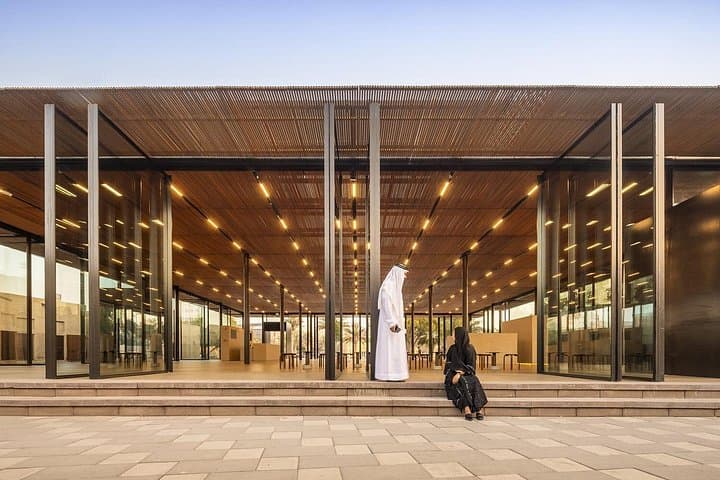
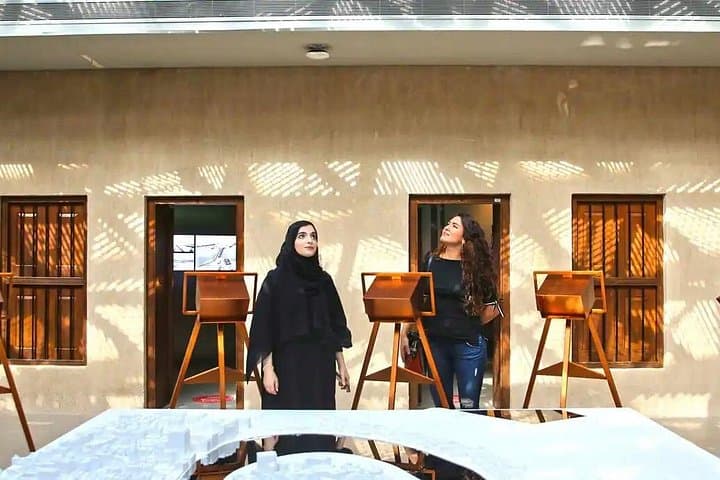
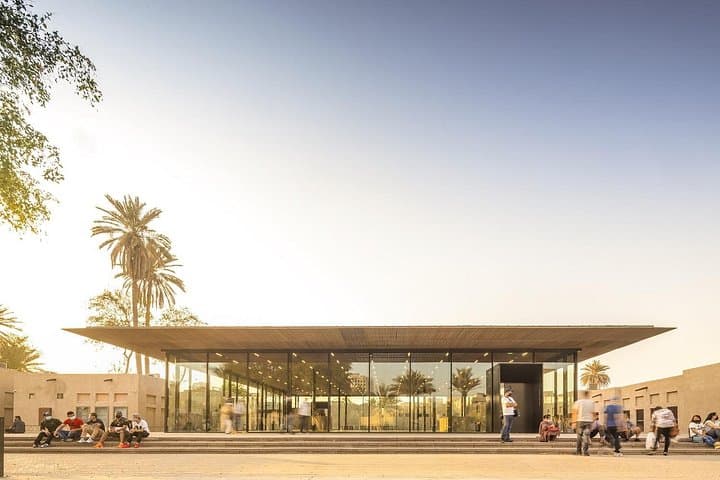
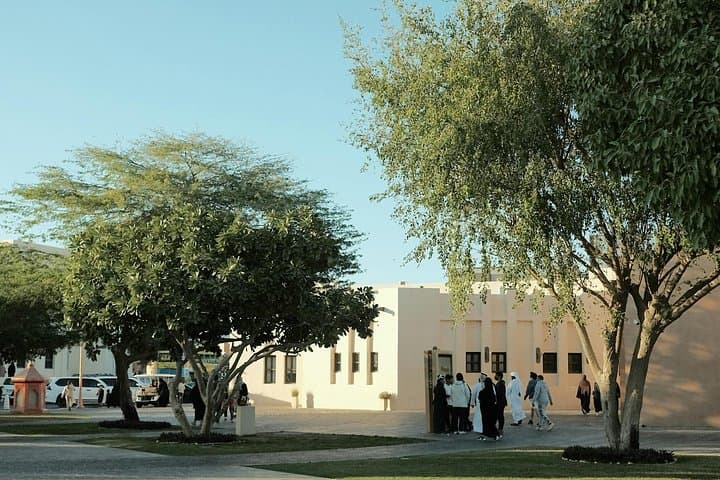
Walk out of the city’s glass-and-steel present and into a strand of streets where wind towers still stand and the creek’s tide seems to remember old trade routes.
Walk out of the city’s glass-and-steel present and into a strand of streets where wind towers still stand and the creek’s tide seems to remember old trade routes.
Al Shindagha Museum occupies more than 80 restored houses and 22 themed pavilions along Dubai Creek, where salt and silt shaped a trading port long before oil reshaped the skyline. Exhibits move from oral histories and dhow-building craft to the private life of the Al Maktoum residence, connecting local customs to the broader Gulf maritime landscape. Geology here is subtle: reclaimed shoreline, tidal flats and mangrove patches that once directed where boats landed now frame the museum’s waterfront setting.
Culturally, the site reads as a living archive—traditional music, pearl-diving narratives and civic memory presented with interactive storytelling and multimedia displays. The space balances tactile objects (boat models, household tools) with digital reconstructions that help younger visitors place artifacts in motion.
Practical guidance: plan 45–90 minutes; early morning or late afternoon slots avoid midday crowds and heat. The museum accepts mobile tickets and sits within easy reach of public transport and abras on the creek. Wear comfortable shoes—the grounds are mostly flat but include narrow historic alleys and some steps in restored houses. Bring sun protection for the exterior courtyards and keep a reusable water bottle; cafés and benches punctuate the route. Photography is generally permitted in public exhibits but check signage for restricted rooms. For families, hands-on zones make the visit interactive; for solo travelers, audio-rich displays provide context without a guide. Al Shindagha is a compact, well-curated pulse of Emirati history—direct, walkable and rooted in the creek that dared Dubai to trade with the world.