THE ADVENTURE COLLECTIVE® · Independent discovery and booking for outdoor travel

Ride a UTV from Ketchikan into the Tongass rainforest and hike a new backwoods trail with a local Alaskan guide. Expect moss-draped old growth, muddy roots, wildlife sightings, and a compact, informative wilderness experience.
Ride a UTV from Ketchikan into the Tongass rainforest and hike a new backwoods trail with a local Alaskan guide. Expect moss-draped old growth, muddy roots, wildlife sightings, and a compact, informative wilderness experience.
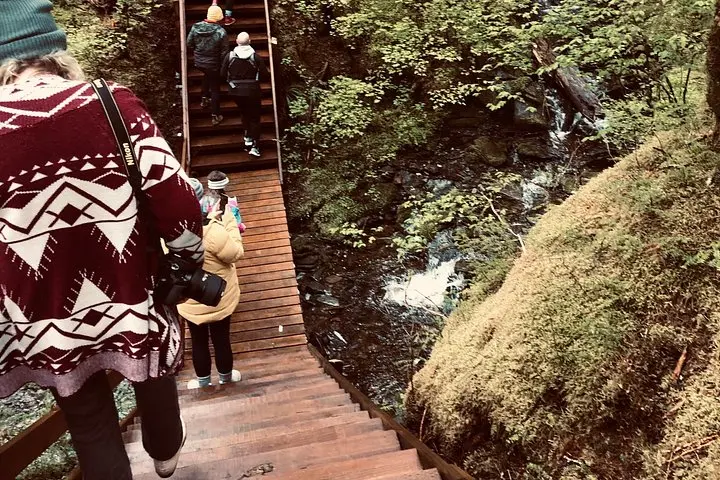
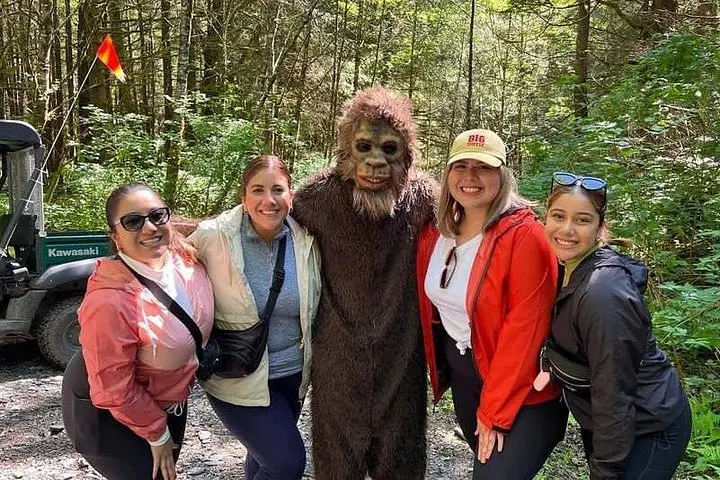
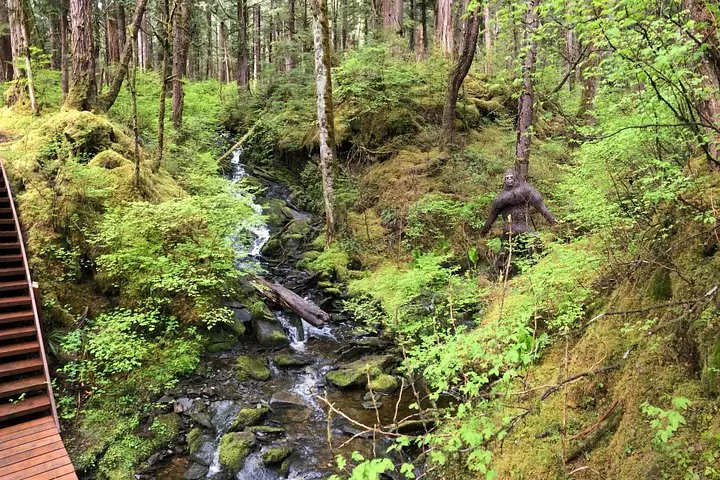
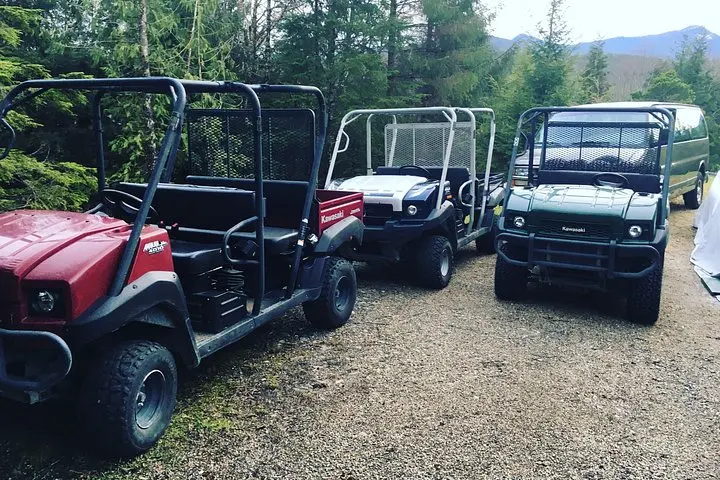
The forest meets you before the trail does: a low fog rolling off a channel, spruce needles slick with rain, and the distant rasp of a seabird that tugs the eyes seaward. You meet your Alaskan guide in town, climb into a UTV, and are carried up a corridor of old-growth—Sitka spruce and western hemlock that lean and breathe around the new trail.
Verified experiences and guided adventures in the surrounding area.
Operated by Alaska Bigfoot Adventures · Ketchikan, Alaska
The forest meets you before the trail does: a low fog rolling off a channel, spruce needles slick with rain, and the distant rasp of a seabird that tugs the eyes seaward. You meet your Alaskan guide in town, climb into a UTV, and are carried up a corridor of old-growth—Sitka spruce and western hemlock that lean and breathe around the new trail.
This is northern temperate rainforest country, part of the greater Tongass, where glacial geology carved sheltered coves and left steep, rocky bluffs. Ketchikan sits on traditional lands of the Tlingit people; the landscape still holds cultural markers—totem sites and village histories—alongside a legacy of fishing and logging that shaped the coast.
The itinerary pairs a short town orientation with a 1.5–3 mile backcountry loop (expect 200–500 ft of gentle-to-steep gain on rooty, sometimes muddy tread) and scenic stops at overlooks and a base-camp interpretation area. Wildlife is visible and bold: bald eagles quarter the canopy while black-tailed deer pick through understory openings; seals and porpoise show along the shoreline if you glance back toward the water.
Practical side: this is a moderate outing—plan for wet conditions, variable footing, and several short uphill sections. Wear waterproof boots, layered clothing, and bring a daypack with water, snacks, and insect repellent. Guides supply hot drinks and bottled water; groups are small (max 8), so expect an intimate pace. If you want photos, keep a zoom lens handy and a quick-dry cloth—rain and fog will push at your gear until you prove otherwise.
The total tour is about 2.5 hours; expect 1.5–3 miles of hiking on the backwoods trail with several short uphill sections.
Families with older children who can handle uneven terrain are welcome, but confirm ages with the operator—groups are small and the guides prioritize safety.
Wear secure footwear and layers; the UTVs are open-air and can spray mud or sea breeze, so a waterproof outer layer is recommended.
Yes—the experience includes a local Alaskan guide who provides natural history, cultural context, and trail navigation throughout the outing.
Alaska Bigfoot Adventures operates guided outdoor trips and adventures with an emphasis on safety, stewardship, and memorable experiences.
The forest meets you before the trail does: a low fog rolling off a channel, spruce needles slick with rain, and the distant rasp of a seabird that tugs the eyes seaward. You meet your Alaskan guide in town, climb into a UTV, and are carried up a corridor of old-growth—Sitka spruce and western hemlock that lean and breathe around the new trail.
The forest meets you before the trail does: a low fog rolling off a channel, spruce needles slick with rain, and the distant rasp of a seabird that tugs the eyes seaward. You meet your Alaskan guide in town, climb into a UTV, and are carried up a corridor of old-growth—Sitka spruce and western hemlock that lean and breathe around the new trail.
This is northern temperate rainforest country, part of the greater Tongass, where glacial geology carved sheltered coves and left steep, rocky bluffs. Ketchikan sits on traditional lands of the Tlingit people; the landscape still holds cultural markers—totem sites and village histories—alongside a legacy of fishing and logging that shaped the coast.
The itinerary pairs a short town orientation with a 1.5–3 mile backcountry loop (expect 200–500 ft of gentle-to-steep gain on rooty, sometimes muddy tread) and scenic stops at overlooks and a base-camp interpretation area. Wildlife is visible and bold: bald eagles quarter the canopy while black-tailed deer pick through understory openings; seals and porpoise show along the shoreline if you glance back toward the water.
Practical side: this is a moderate outing—plan for wet conditions, variable footing, and several short uphill sections. Wear waterproof boots, layered clothing, and bring a daypack with water, snacks, and insect repellent. Guides supply hot drinks and bottled water; groups are small (max 8), so expect an intimate pace. If you want photos, keep a zoom lens handy and a quick-dry cloth—rain and fog will push at your gear until you prove otherwise.