THE ADVENTURE COLLECTIVE® · Independent discovery and booking for outdoor travel

Walk through the Albaicín’s winding lanes on a private three-hour tour that pairs intimate medieval monuments—El Bañuelo, a madrasa and a medieval market—with striking Alhambra views. This guided route blends history, architecture and practical tips for navigating steep cobbles and busy lookouts.
Walk through the Albaicín’s winding lanes on a private three-hour tour that pairs intimate medieval monuments—El Bañuelo, a madrasa and a medieval market—with striking Alhambra views. This guided route blends history, architecture and practical tips for navigating steep cobbles and busy lookouts.
A narrow lane opens onto a terrace and the city exhales: white houses, red-tiled roofs, and the Alhambra’s silhouette framed against the Sierra Nevada. The private Albaicín tour threads through those knotted streets where every step clicks on centuries of cobblestone memory.
Verified experiences and guided adventures in the surrounding area.
Operated by ANDAGRA TOURISM · Granada, Andalusia
A narrow lane opens onto a terrace and the city exhales: white houses, red-tiled roofs, and the Alhambra’s silhouette framed against the Sierra Nevada. The private Albaicín tour threads through those knotted streets where every step clicks on centuries of cobblestone memory.
The Albaicín was the residential heart of Granada’s last Muslim kingdom; its urban fabric preserves medieval street patterns and small palaces (cármenes) that reflect Moorish domestic life. Geologically the quarter sits on a slope above the Darro River, its streets cut into ancient fluvial terraces that determined where houses and viewpoints could stand. Culturally, the neighbourhood blends Andalusian and North African influences—public baths, madrasas and souk-style lanes point to a time when trade, learning and ritual shaped daily routine.
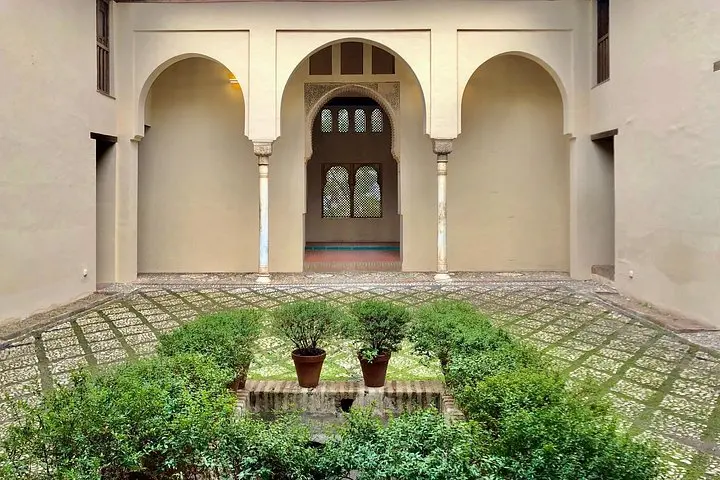
Visitors will see El Bañuelo (the city’s historic hammam), the Alcaicería market lane, a medieval madrasa, and several XIV-century houses and lookouts offering direct views of the Alhambra. The Darro dares you to follow it lower, while lime-washed façades keep the afternoon light honest.
Practical guidance: expect steep, uneven cobbles—good footwear matters. The three-hour private format includes monument admissions; plan for pockets of standing-room at popular viewpoints. Morning or late-afternoon departures avoid midday heat and give softer light on the palace façades. Bring a refillable water bottle, modest clothing for religious sites, and small change for artisan shops. The route is compact but physically variable—comfortable walking fitness and a willingness to climb short flights of steps will make the experience smoother.
Yes—admission to the listed monuments (such as El Bañuelo and the included houses) is covered in the tour price.
The operator lists accessibility, but Albaicín’s steep, narrow and cobbled streets can be challenging—contact the supplier to confirm routes and assistance options.
Private tours are typically offered in multiple languages depending on guide availability; confirm your preferred language when booking.
All sales are final; the booking indicates no refunds are available for cancellations, so review plans before purchasing.
ANDAGRA TOURISM operates guided outdoor trips and adventures with an emphasis on safety, stewardship, and memorable experiences.
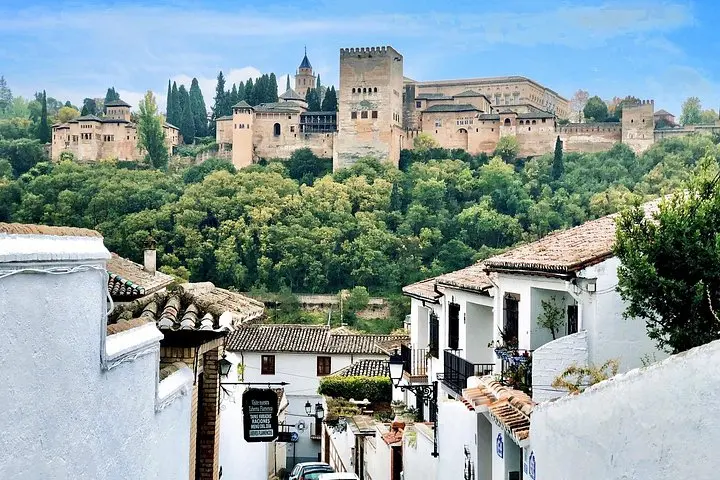
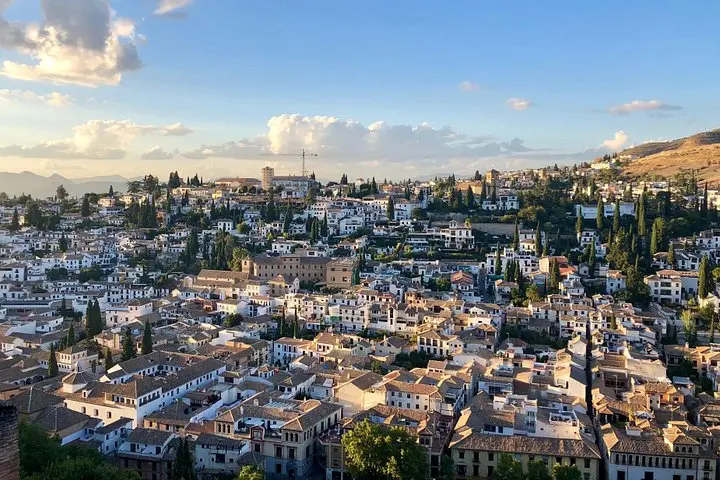
A narrow lane opens onto a terrace and the city exhales: white houses, red-tiled roofs, and the Alhambra’s silhouette framed against the Sierra Nevada. The private Albaicín tour threads through those knotted streets where every step clicks on centuries of cobblestone memory.
A narrow lane opens onto a terrace and the city exhales: white houses, red-tiled roofs, and the Alhambra’s silhouette framed against the Sierra Nevada. The private Albaicín tour threads through those knotted streets where every step clicks on centuries of cobblestone memory.
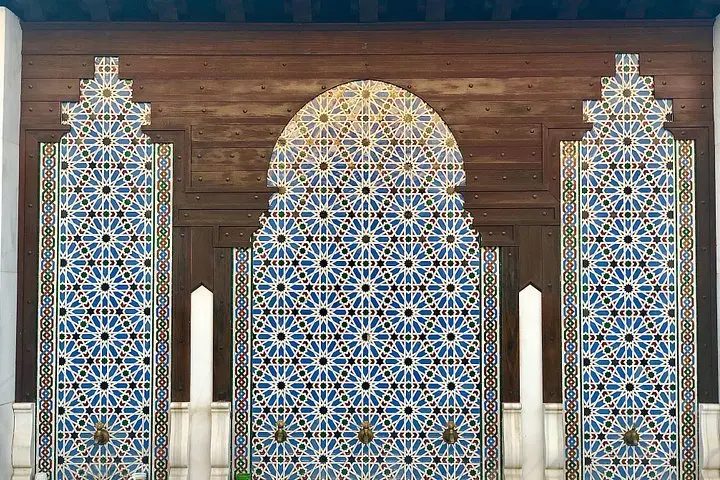
The Albaicín was the residential heart of Granada’s last Muslim kingdom; its urban fabric preserves medieval street patterns and small palaces (cármenes) that reflect Moorish domestic life. Geologically the quarter sits on a slope above the Darro River, its streets cut into ancient fluvial terraces that determined where houses and viewpoints could stand. Culturally, the neighbourhood blends Andalusian and North African influences—public baths, madrasas and souk-style lanes point to a time when trade, learning and ritual shaped daily routine.
Visitors will see El Bañuelo (the city’s historic hammam), the Alcaicería market lane, a medieval madrasa, and several XIV-century houses and lookouts offering direct views of the Alhambra. The Darro dares you to follow it lower, while lime-washed façades keep the afternoon light honest.
Practical guidance: expect steep, uneven cobbles—good footwear matters. The three-hour private format includes monument admissions; plan for pockets of standing-room at popular viewpoints. Morning or late-afternoon departures avoid midday heat and give softer light on the palace façades. Bring a refillable water bottle, modest clothing for religious sites, and small change for artisan shops. The route is compact but physically variable—comfortable walking fitness and a willingness to climb short flights of steps will make the experience smoother.