THE ADVENTURE COLLECTIVE® · Independent discovery and booking for outdoor travel

A full‑day run along Albania’s southern coast: panoramic Saranda bay, the sandy isles of Ksamil and the surreal turquoise of the Blue Eye. This guided trip blends beach time with short walks and natural springs, ideal for travelers based in Tirana seeking a long, scenic day.
A full‑day run along Albania’s southern coast: panoramic Saranda bay, the sandy isles of Ksamil and the surreal turquoise of the Blue Eye. This guided trip blends beach time with short walks and natural springs, ideal for travelers based in Tirana seeking a long, scenic day.
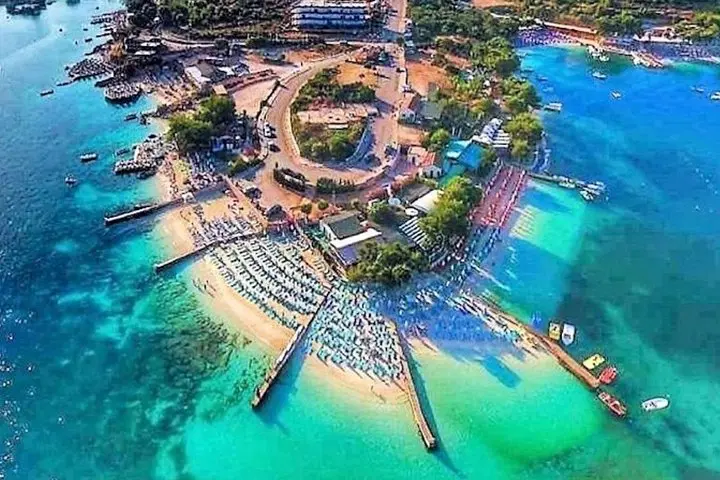
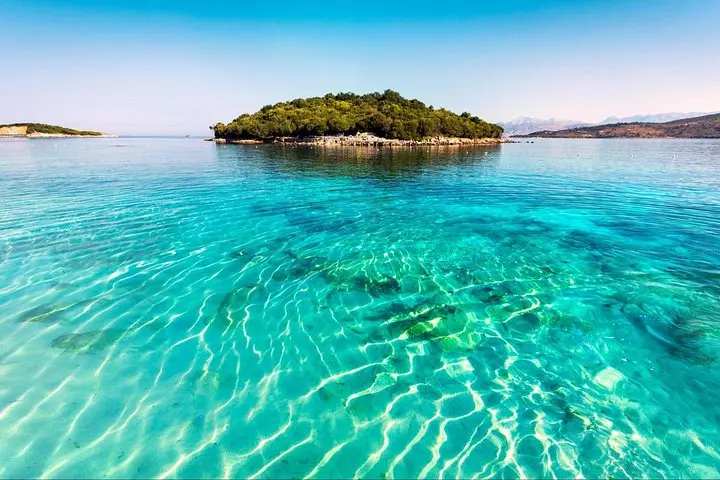
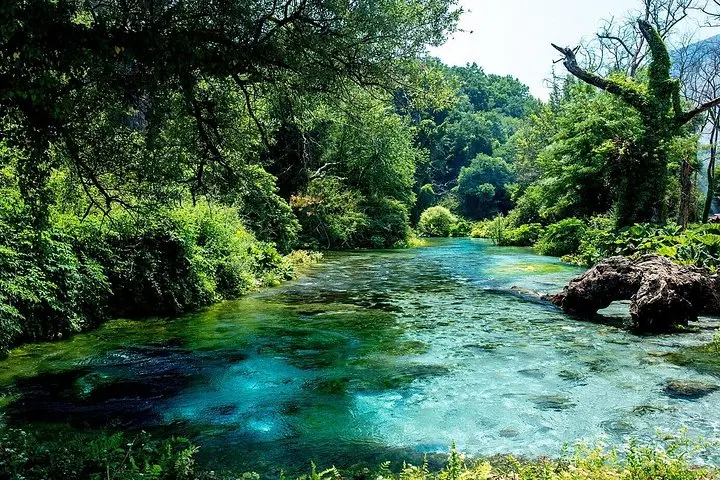
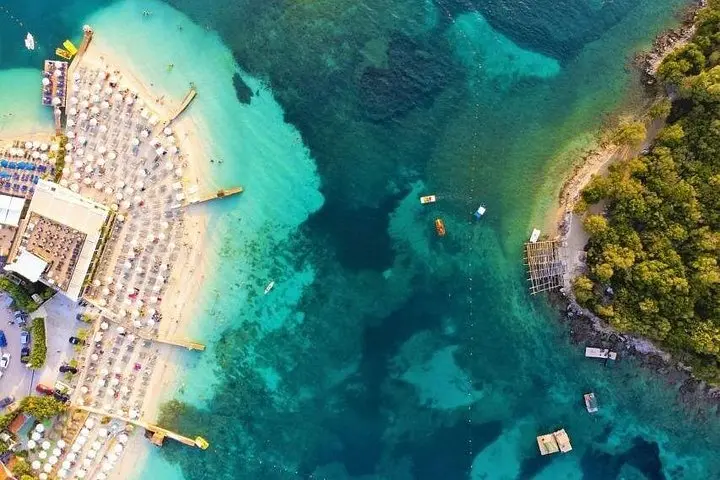
You arrive before dawn in an air‑conditioned minibus, Tirana shrinking behind you as the road unspools toward the Ionian coast. By late morning Saranda opens its bay — a crescent of stone and pavement where Corfu hovers on the horizon like a distant promise. The tour flows from promenade views to the fine white sand of Ksamil, then inland to the Blue Eye’s glassy spring, each stop shifting the scene and the temperature.
Verified experiences and guided adventures in the surrounding area.
Operated by Albanian Tours · Saranda, Vlorë County
You arrive before dawn in an air‑conditioned minibus, Tirana shrinking behind you as the road unspools toward the Ionian coast. By late morning Saranda opens its bay — a crescent of stone and pavement where Corfu hovers on the horizon like a distant promise. The tour flows from promenade views to the fine white sand of Ksamil, then inland to the Blue Eye’s glassy spring, each stop shifting the scene and the temperature.
The coastline here carries layers of history: Illyrian and Greek traces, Venetian harbors and Ottoman trade routes, and modern coastal towns that grew with post‑Communist tourism. Geologically, the Riviera is limestone folded into cliffs and small coves; fresh springs like Syri i Kaltër appear where karst aquifers force cold, oxygen‑rich water to the surface.
Culture is practical and hospitable — seaside cafés, citrus groves, and small family tavernas serving grilled fish and baklava. Locals still fish the bays and tend olive terraces that slope toward the sea.
Practical guidance: plan for a very long day (most departures return late), bring swimwear and sturdy sandals for rocks, and expect cold, clear water at the Blue Eye — swimming is often impractical and sometimes restricted. Wear reef‑safe sunscreen, carry water, and leave space in your bag for a light jacket when you move inland.
Timing matters: mornings are best for beach light and afternoons for the Blue Eye’s clarity. Respect signage at protected springs, support local businesses, and keep the shoreline free of trash — these places endure because visitors treat them carefully.
The excursion is a full‑day tour (about 14–16 hours) with hotel pickup in Tirana, Durrës or Golem and returns the same evening.
The Blue Eye’s water is very cold and access rules vary; many visitors admire it from the overlook rather than swim — follow local signage and guide instructions.
Entry fees and guide/transportation are included, but meals and drinks at cafés or tavernas are usually not — bring cash for food stops.
The tour is rated easy but long; short walks are required — it’s fine for children but not recommended for travelers with serious cardiovascular issues or very limited mobility.
Albanian Tours operates guided outdoor trips and adventures with an emphasis on safety, stewardship, and memorable experiences.
You arrive before dawn in an air‑conditioned minibus, Tirana shrinking behind you as the road unspools toward the Ionian coast. By late morning Saranda opens its bay — a crescent of stone and pavement where Corfu hovers on the horizon like a distant promise. The tour flows from promenade views to the fine white sand of Ksamil, then inland to the Blue Eye’s glassy spring, each stop shifting the scene and the temperature.
You arrive before dawn in an air‑conditioned minibus, Tirana shrinking behind you as the road unspools toward the Ionian coast. By late morning Saranda opens its bay — a crescent of stone and pavement where Corfu hovers on the horizon like a distant promise. The tour flows from promenade views to the fine white sand of Ksamil, then inland to the Blue Eye’s glassy spring, each stop shifting the scene and the temperature.
The coastline here carries layers of history: Illyrian and Greek traces, Venetian harbors and Ottoman trade routes, and modern coastal towns that grew with post‑Communist tourism. Geologically, the Riviera is limestone folded into cliffs and small coves; fresh springs like Syri i Kaltër appear where karst aquifers force cold, oxygen‑rich water to the surface.
Culture is practical and hospitable — seaside cafés, citrus groves, and small family tavernas serving grilled fish and baklava. Locals still fish the bays and tend olive terraces that slope toward the sea.
Practical guidance: plan for a very long day (most departures return late), bring swimwear and sturdy sandals for rocks, and expect cold, clear water at the Blue Eye — swimming is often impractical and sometimes restricted. Wear reef‑safe sunscreen, carry water, and leave space in your bag for a light jacket when you move inland.
Timing matters: mornings are best for beach light and afternoons for the Blue Eye’s clarity. Respect signage at protected springs, support local businesses, and keep the shoreline free of trash — these places endure because visitors treat them carefully.