THE ADVENTURE COLLECTIVE® · Independent discovery and booking for outdoor travel

Spend a day driving south from Vlora through river valleys, Ottoman stone streets and ancient karst springs. This full-day trip pairs cultural history in Gjirokastër with freshwater spectacle at the Blue Eye.
Spend a day driving south from Vlora through river valleys, Ottoman stone streets and ancient karst springs. This full-day trip pairs cultural history in Gjirokastër with freshwater spectacle at the Blue Eye.
The morning road out of Vlora tightens into coastal cliffs and then releases you into green river valleys — by midmorning you’re standing at Uji i Ftohtë in Tepelenë, where mountain water pours cold and bright as if daring you to linger. Later, the stone roofs of Gjirokastër rise from slate-grey streets; the city’s stacked Ottoman houses and fortress keep watch over the valley below. The day closes at the Blue Eye, a limpid spring whose color deepens toward an impossible turquoise as the forest leans in to listen.
Verified experiences and guided adventures in the surrounding area.
Operated by Vlora Daily Trips · Vlora, Vlorë County
The morning road out of Vlora tightens into coastal cliffs and then releases you into green river valleys — by midmorning you’re standing at Uji i Ftohtë in Tepelenë, where mountain water pours cold and bright as if daring you to linger. Later, the stone roofs of Gjirokastër rise from slate-grey streets; the city’s stacked Ottoman houses and fortress keep watch over the valley below. The day closes at the Blue Eye, a limpid spring whose color deepens toward an impossible turquoise as the forest leans in to listen.
Gjirokastër’s Old Town is a living record of Ottoman-era town planning and 18th–19th century stone architecture, while the Blue Eye is a karst spring fed by underground limestone channels carved over millennia. Local culture blends southern Albanian hospitality with artisan trades — blacksmithing, carpet work and small cafes where raki and strong coffee mark conversation.
Practical guidance: this is a full, largely seated day (about 11 hours) with short guided walks and viewpoints. Expect cobbled streets and uneven steps in Gjirokastër and boardwalks at the Blue Eye — comfortable, grippy shoes matter. The Blue Eye is protected: swimming is prohibited and a small entrance fee applies. Carry water, sun protection, and a light rain layer; photography is rewarding in morning or late afternoon light. If you’re sensitive to motion, bring something for the drive — roads can be winding. Respect local sites and follow posted rules at natural springs to help preserve them for future visitors.
No — swimming is prohibited to protect the spring’s fragile ecosystem and water clarity.
Expect about 11 hours total including transit and stops; actual drive time depends on traffic and group size.
The small Blue Eye park entrance fee (around €0.50) is not included and is payable on arrival; other admissions noted in the itinerary may vary.
The tour is suitable for most ages, but Gjirokastër has uneven streets and many stairs; it's not recommended for those with serious spinal issues.
Vlora Daily Trips operates guided outdoor trips and adventures with an emphasis on safety, stewardship, and memorable experiences.
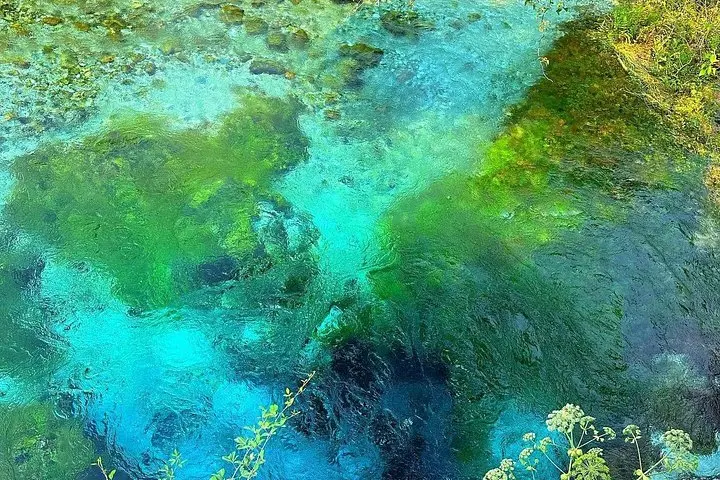
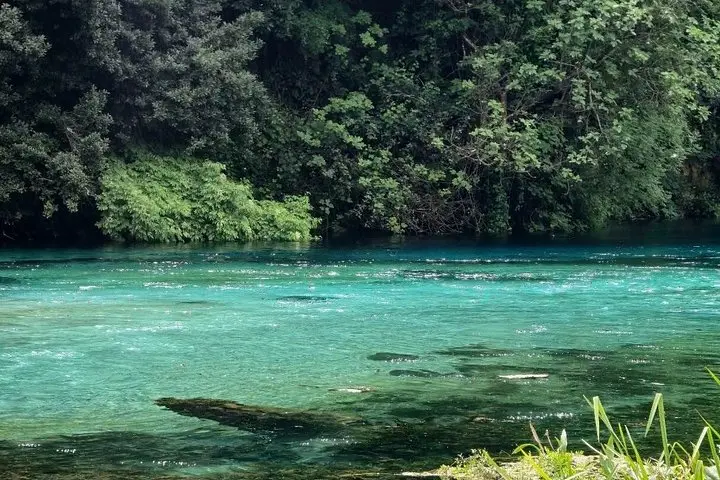
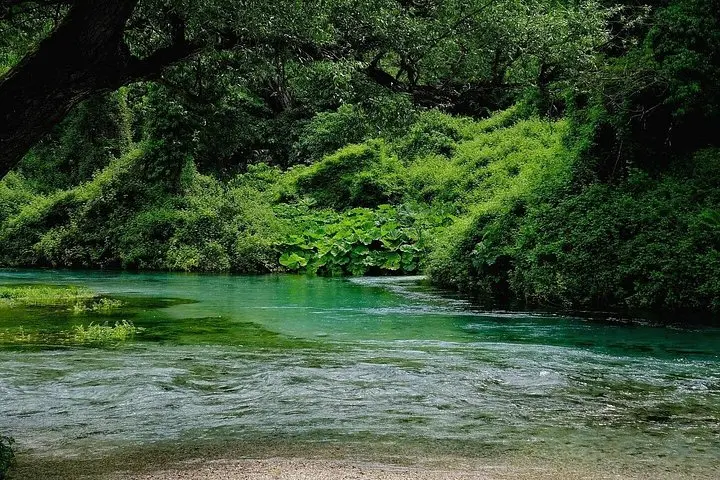
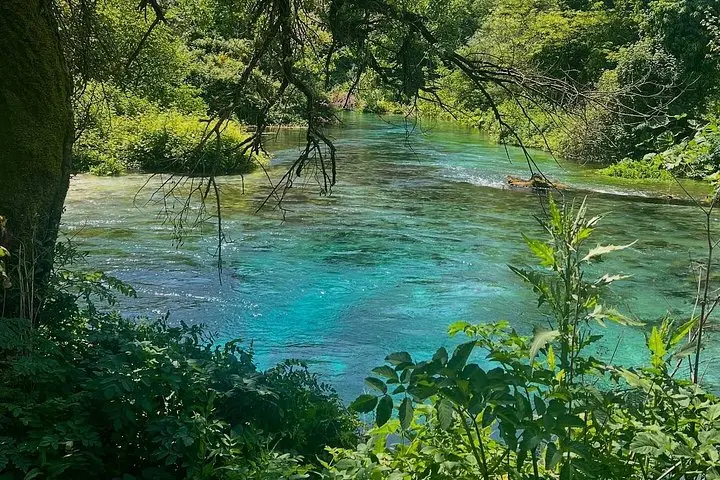
The morning road out of Vlora tightens into coastal cliffs and then releases you into green river valleys — by midmorning you’re standing at Uji i Ftohtë in Tepelenë, where mountain water pours cold and bright as if daring you to linger. Later, the stone roofs of Gjirokastër rise from slate-grey streets; the city’s stacked Ottoman houses and fortress keep watch over the valley below. The day closes at the Blue Eye, a limpid spring whose color deepens toward an impossible turquoise as the forest leans in to listen.
The morning road out of Vlora tightens into coastal cliffs and then releases you into green river valleys — by midmorning you’re standing at Uji i Ftohtë in Tepelenë, where mountain water pours cold and bright as if daring you to linger. Later, the stone roofs of Gjirokastër rise from slate-grey streets; the city’s stacked Ottoman houses and fortress keep watch over the valley below. The day closes at the Blue Eye, a limpid spring whose color deepens toward an impossible turquoise as the forest leans in to listen.
Gjirokastër’s Old Town is a living record of Ottoman-era town planning and 18th–19th century stone architecture, while the Blue Eye is a karst spring fed by underground limestone channels carved over millennia. Local culture blends southern Albanian hospitality with artisan trades — blacksmithing, carpet work and small cafes where raki and strong coffee mark conversation.
Practical guidance: this is a full, largely seated day (about 11 hours) with short guided walks and viewpoints. Expect cobbled streets and uneven steps in Gjirokastër and boardwalks at the Blue Eye — comfortable, grippy shoes matter. The Blue Eye is protected: swimming is prohibited and a small entrance fee applies. Carry water, sun protection, and a light rain layer; photography is rewarding in morning or late afternoon light. If you’re sensitive to motion, bring something for the drive — roads can be winding. Respect local sites and follow posted rules at natural springs to help preserve them for future visitors.