THE ADVENTURE COLLECTIVE® · Independent discovery and booking for outdoor travel

A compact, seven-hour circuit from Taormina that combines the basalt cliffs of the Alcantara Gorges, a stroll through lava-stone Randazzo, and a guided Etna winery tasting. Expect short walks, dramatic geology, and wines shaped by volcanic soil.
A compact, seven-hour circuit from Taormina that combines the basalt cliffs of the Alcantara Gorges, a stroll through lava-stone Randazzo, and a guided Etna winery tasting. Expect short walks, dramatic geology, and wines shaped by volcanic soil.
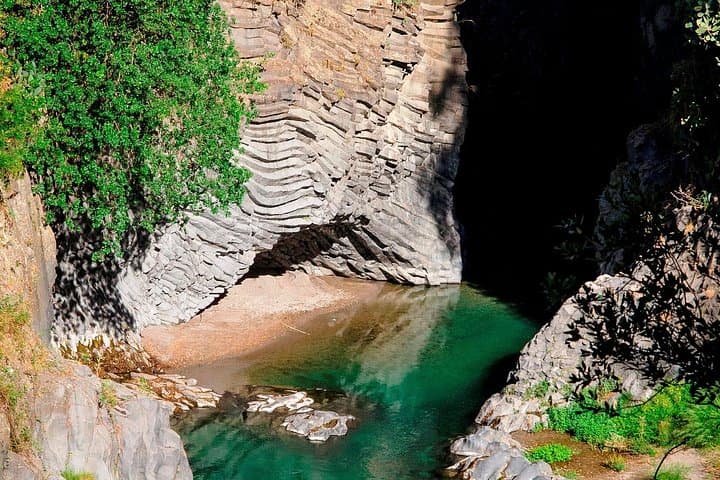
You step off the coach where the air smells faintly of pine and citrus, the Ionian Sea shrinking behind you as the road climbs toward Etna’s northern flank. Minutes later the basalt walls of the Alcantara Gorges appear—dark columns of cooled lava that nip the river into a series of clear pools and narrow canyons. The water teases you with cool brightness; the gorge seems to dare you to slow down and listen.
Verified experiences and guided adventures in the surrounding area.
Operated by SAT Group · Taormina, Sicily
You step off the coach where the air smells faintly of pine and citrus, the Ionian Sea shrinking behind you as the road climbs toward Etna’s northern flank. Minutes later the basalt walls of the Alcantara Gorges appear—dark columns of cooled lava that nip the river into a series of clear pools and narrow canyons. The water teases you with cool brightness; the gorge seems to dare you to slow down and listen.
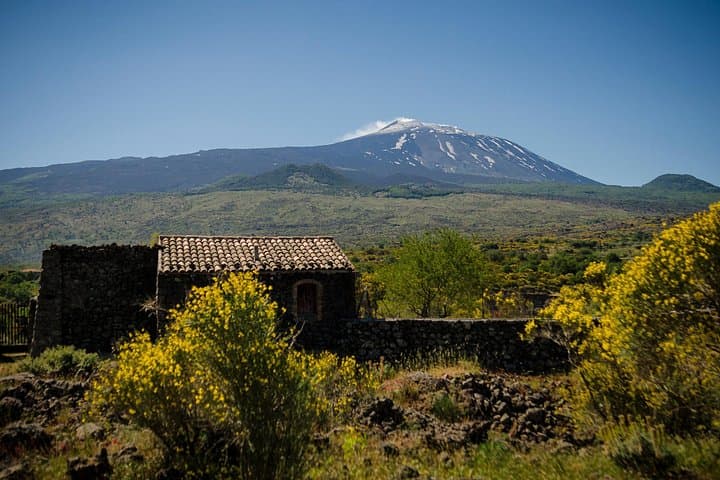
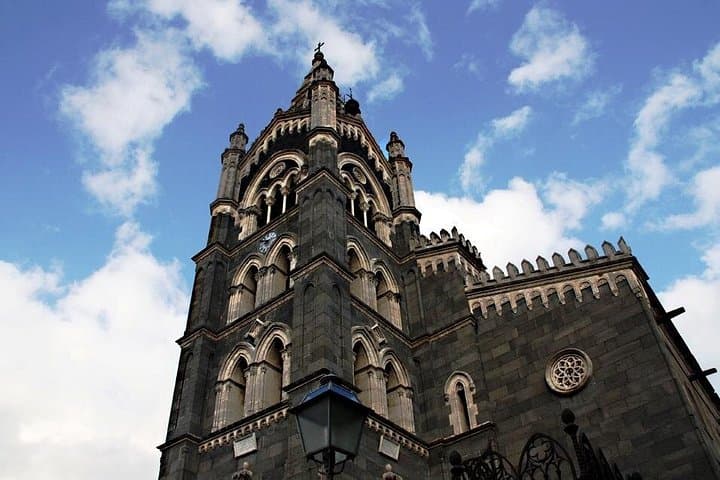
This day trip from Taormina strings together three distinct faces of eastern Sicily: the geological show of Alcantara, the lava-stone streets of Randazzo, and the human-scale agriculture of Etna’s vineyards. The Gorges are a record in rock—columns and fluted walls formed when molten lava met ancient river channels—and their scale becomes clear when you trace the basalt ribs with your eyes and toes on the boardwalk. Randazzo, perched higher on Etna’s shoulder, reads like a medieval ledger of stone: churches, civic palaces, and narrow alleys built from black volcanic blocks that have kept out invaders and weather for centuries.
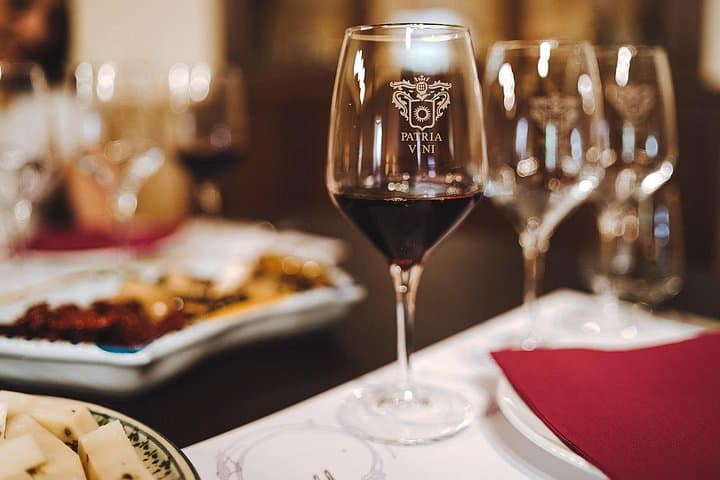
Wine on Etna is a local language. Up here, vineyards climb terraces of volcanic ash and pumice; vines hug the land and produce wines of tensile acidity and mineral lift. Expect to taste Etna Rosso (often Nerello Mascalese) and Etna Bianco (often Carricante), accompanied by cured meats and cheeses—simple pairings that reveal the soils beneath a grape’s flavor.
Practically, the tour is a full morning into early afternoon (about seven hours). Departure is from Via Luigi Pirandello in Taormina; pickups are available along the coast at Letojanni and Giardini Naxos by request. The itinerary includes a guided short walk in the Alcantara Park, time to visit Randazzo’s Basilica di Santa Maria, and a guided cellar tour with tasting at a family-run Etna winery. Much of the walking is on paved streets or boardwalks, but steps and uneven volcanic surfaces are common.
Timing and kit matter: arrive with sturdy shoes, a lightweight layer for cool breezes in the gorge, sun protection for the terraces, and a refillable bottle—the volcanic air can be deceptively drying. If you want to linger, ask about the Sunday market in Randazzo; it’s an excellent way to layer local culture onto the day’s geology and wine.
The tour is accessible for most fitness levels yet richly rewarding for anyone curious about how one mountain can shape landscape, architecture, and wine. It’s a compact education in Etna’s geology and Sicilian rural life, delivered with a local guide who stitches the sites into a coherent afternoon you’ll remember long after the last sip.
The tour runs about seven hours with guided walks of 30–60 minutes at each stop; the pace is relaxed with time for tasting and short explorations.
Entry to the Alcantara Park is included in the itinerary details; confirm at booking if any seasonal access fees apply.
Yes—inform the operator of allergies or dietary needs at booking so the winery can adjust the food pairings when possible.
Pickup is available from the main bus terminal; hotel pickups along the coast (Taormina by the sea, Letojanni, Giardini Naxos) are possible by request—contact the operator in advance.
The tour notes stroller accessibility for infants, but some sections have steps and narrow paths—bring a carrier for easier mobility if needed.
Expect Etna Rosso (often Nerello Mascalese) and Etna Bianco (often Carricante), plus small-production labels typical of family-run Etna estates.
SAT Group operates guided outdoor trips and adventures with an emphasis on safety, stewardship, and memorable experiences.
You step off the coach where the air smells faintly of pine and citrus, the Ionian Sea shrinking behind you as the road climbs toward Etna’s northern flank. Minutes later the basalt walls of the Alcantara Gorges appear—dark columns of cooled lava that nip the river into a series of clear pools and narrow canyons. The water teases you with cool brightness; the gorge seems to dare you to slow down and listen.
You step off the coach where the air smells faintly of pine and citrus, the Ionian Sea shrinking behind you as the road climbs toward Etna’s northern flank. Minutes later the basalt walls of the Alcantara Gorges appear—dark columns of cooled lava that nip the river into a series of clear pools and narrow canyons. The water teases you with cool brightness; the gorge seems to dare you to slow down and listen.
This day trip from Taormina strings together three distinct faces of eastern Sicily: the geological show of Alcantara, the lava-stone streets of Randazzo, and the human-scale agriculture of Etna’s vineyards. The Gorges are a record in rock—columns and fluted walls formed when molten lava met ancient river channels—and their scale becomes clear when you trace the basalt ribs with your eyes and toes on the boardwalk. Randazzo, perched higher on Etna’s shoulder, reads like a medieval ledger of stone: churches, civic palaces, and narrow alleys built from black volcanic blocks that have kept out invaders and weather for centuries.
Wine on Etna is a local language. Up here, vineyards climb terraces of volcanic ash and pumice; vines hug the land and produce wines of tensile acidity and mineral lift. Expect to taste Etna Rosso (often Nerello Mascalese) and Etna Bianco (often Carricante), accompanied by cured meats and cheeses—simple pairings that reveal the soils beneath a grape’s flavor.
Practically, the tour is a full morning into early afternoon (about seven hours). Departure is from Via Luigi Pirandello in Taormina; pickups are available along the coast at Letojanni and Giardini Naxos by request. The itinerary includes a guided short walk in the Alcantara Park, time to visit Randazzo’s Basilica di Santa Maria, and a guided cellar tour with tasting at a family-run Etna winery. Much of the walking is on paved streets or boardwalks, but steps and uneven volcanic surfaces are common.
Timing and kit matter: arrive with sturdy shoes, a lightweight layer for cool breezes in the gorge, sun protection for the terraces, and a refillable bottle—the volcanic air can be deceptively drying. If you want to linger, ask about the Sunday market in Randazzo; it’s an excellent way to layer local culture onto the day’s geology and wine.
The tour is accessible for most fitness levels yet richly rewarding for anyone curious about how one mountain can shape landscape, architecture, and wine. It’s a compact education in Etna’s geology and Sicilian rural life, delivered with a local guide who stitches the sites into a coherent afternoon you’ll remember long after the last sip.