THE ADVENTURE COLLECTIVE® · Independent discovery and booking for outdoor travel

Trace tidal flats and fishing harbors on a private six‑hour coastal loop through Ria de Alvor and Ferragudo, ending with a seafood‑and‑wine picnic at a Lagoa vineyard. Expect flamingos, oyster beds, a working canning factory and tastings.
Trace tidal flats and fishing harbors on a private six‑hour coastal loop through Ria de Alvor and Ferragudo, ending with a seafood‑and‑wine picnic at a Lagoa vineyard. Expect flamingos, oyster beds, a working canning factory and tastings.
Salt air and vineyard stone meet on this six‑hour coastal loop that threads the Algarve’s estuary, fishing ports and a working winery. Start where tidal flats stretch like a pale map: the Rocha Delicada trail around the Ria de Alvor offers low, salt‑marsh walks where oyster beds glint at low tide and flamingos pick through shallow water as if daring you to keep up.
Verified experiences and guided adventures in the surrounding area.
Operated by Happy Van · Portimão, Algarve
Salt air and vineyard stone meet on this six‑hour coastal loop that threads the Algarve’s estuary, fishing ports and a working winery. Start where tidal flats stretch like a pale map: the Rocha Delicada trail around the Ria de Alvor offers low, salt‑marsh walks where oyster beds glint at low tide and flamingos pick through shallow water as if daring you to keep up.
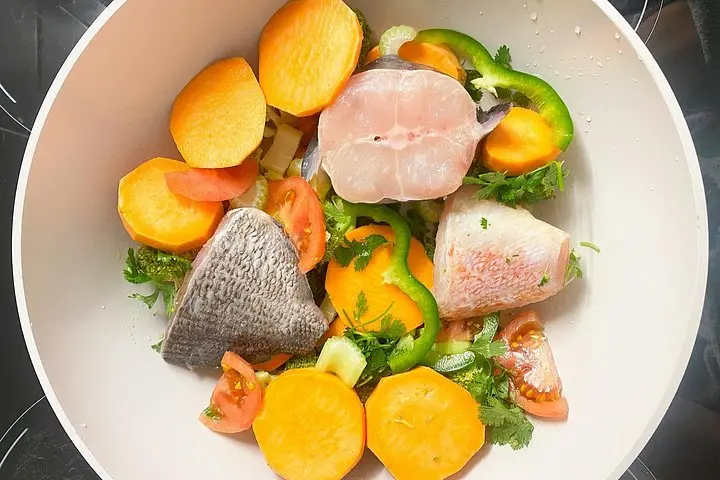
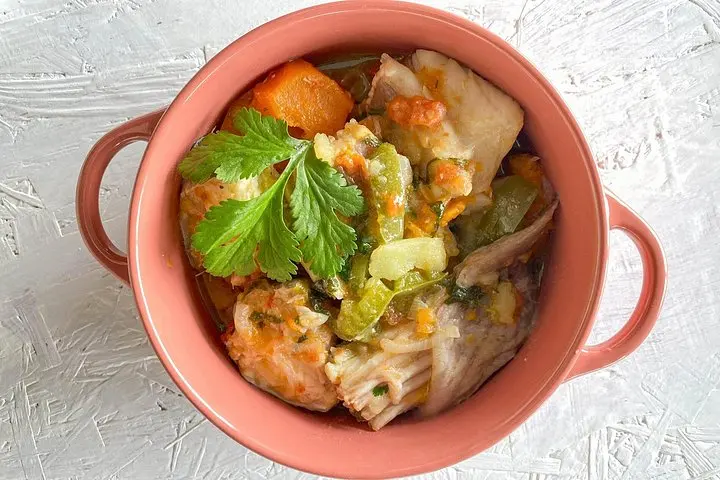
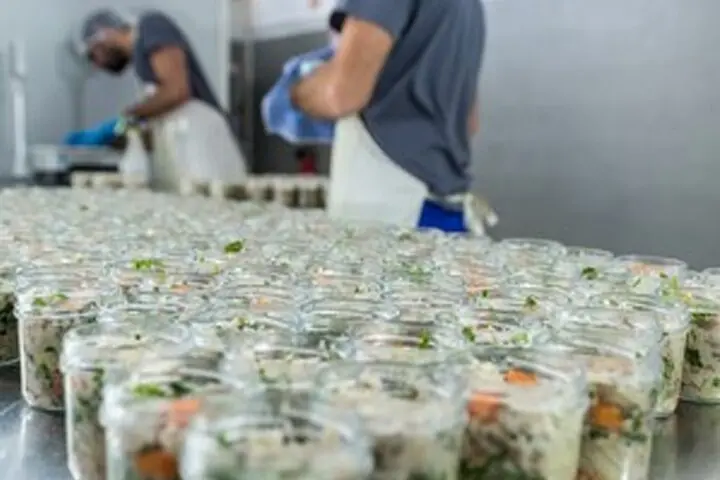
A short drive brings you to the Arade Canning Factory, a living industrial museum where tins, artisanship and seafood culture overlap — expect guided explanations of the canning process and tastings of regional preserves tied to a long local tradition of preserving the sea’s harvest.
Ferragudo’s narrow streets and historic port show the human side of the coast: whitewashed houses, boats hauled ashore, and viewpoints that frame river, mountain and open ocean. The day finishes at a vineyard near Lagoa, where an outdoor lunch pairs regional seafood and wines on terraces that sit above loamy plots of local varietals.
Geology here is limestone and coastal sediment; estuary dynamics create sheltered flats that support oysters and migratory birds. Culturally, the route traces centuries of fishing, salted and canned preservation, and recently expanded wine tourism.
Practically: the tour includes private transport and guided stops, with mostly flat walking segments of roughly 1–3 km each and minimal elevation. Morning light is best for birdwatching; wear sun protection, bring binoculars and comfortable walking shoes. Buy preserves or a bottle at the vineyard shop to take the Algarve home with you.
Walking segments are short—typically 1–3 km per stop—mostly flat and suitable for casual walkers.
Yes; the itinerary includes canning‑factory tastings and a gourmet outdoor lunch at the vineyard with regional wines.
Private transport is included for the full‑day tour, linking estuary walks, the factory, Ferragudo and the vineyard.
Yes, the vineyard and canning factory both offer products for purchase to take home.
Happy Van operates guided outdoor trips and adventures with an emphasis on safety, stewardship, and memorable experiences.
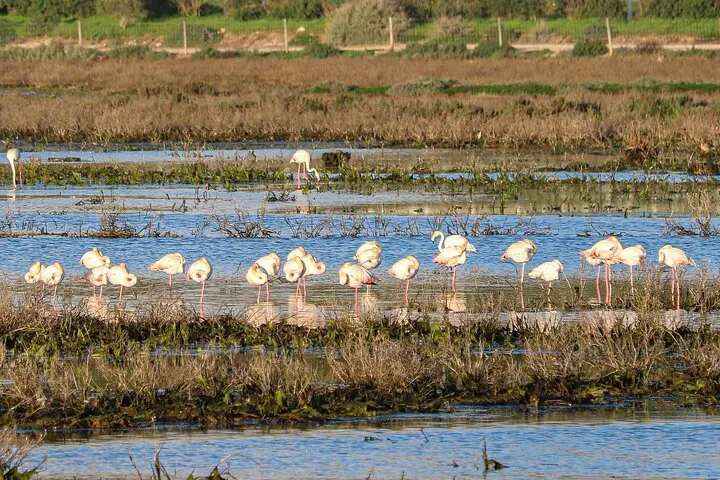
Salt air and vineyard stone meet on this six‑hour coastal loop that threads the Algarve’s estuary, fishing ports and a working winery. Start where tidal flats stretch like a pale map: the Rocha Delicada trail around the Ria de Alvor offers low, salt‑marsh walks where oyster beds glint at low tide and flamingos pick through shallow water as if daring you to keep up.
Salt air and vineyard stone meet on this six‑hour coastal loop that threads the Algarve’s estuary, fishing ports and a working winery. Start where tidal flats stretch like a pale map: the Rocha Delicada trail around the Ria de Alvor offers low, salt‑marsh walks where oyster beds glint at low tide and flamingos pick through shallow water as if daring you to keep up.
A short drive brings you to the Arade Canning Factory, a living industrial museum where tins, artisanship and seafood culture overlap — expect guided explanations of the canning process and tastings of regional preserves tied to a long local tradition of preserving the sea’s harvest.
Ferragudo’s narrow streets and historic port show the human side of the coast: whitewashed houses, boats hauled ashore, and viewpoints that frame river, mountain and open ocean. The day finishes at a vineyard near Lagoa, where an outdoor lunch pairs regional seafood and wines on terraces that sit above loamy plots of local varietals.
Geology here is limestone and coastal sediment; estuary dynamics create sheltered flats that support oysters and migratory birds. Culturally, the route traces centuries of fishing, salted and canned preservation, and recently expanded wine tourism.
Practically: the tour includes private transport and guided stops, with mostly flat walking segments of roughly 1–3 km each and minimal elevation. Morning light is best for birdwatching; wear sun protection, bring binoculars and comfortable walking shoes. Buy preserves or a bottle at the vineyard shop to take the Algarve home with you.