THE ADVENTURE COLLECTIVE® · Independent discovery and booking for outdoor travel

Bring your 4x4 and let a local guide lead you off asphalt into the rugged side of the Algarve. This four-hour tag-along tour near Albufeira mixes easy-to-moderate dirt tracks with cultural stops, viewpoints, and optional swims in rural dams.
Bring your 4x4 and let a local guide lead you off asphalt into the rugged side of the Algarve. This four-hour tag-along tour near Albufeira mixes easy-to-moderate dirt tracks with cultural stops, viewpoints, and optional swims in rural dams.
You pull away from the Globo roundabout and the town tilts behind you—white houses and café terraces shrink while cork oaks and salt-stunted shrubs take over. The track is a ribbon of packed earth and loose shale that bites at your tires and promises a route the paved roads never do: a loop that threads ridgelines, small dams, and hidden streams where the scrub opens into low, panoramic views over the Algarve coastline.
Verified experiences and guided adventures in the surrounding area.
Operated by Backland Tours & Events · Albufeira, Faro District
You pull away from the Globo roundabout and the town tilts behind you—white houses and café terraces shrink while cork oaks and salt-stunted shrubs take over. The track is a ribbon of packed earth and loose shale that bites at your tires and promises a route the paved roads never do: a loop that threads ridgelines, small dams, and hidden streams where the scrub opens into low, panoramic views over the Algarve coastline.
This is a tag-along self-drive 4x4: you bring the vehicle, a local guide brings the line and local knowledge. Over four hours you’ll move between easy and moderately technical dirt roads designed to test traction rather than nerve—short climbs, water-splashed crossings after rain, and narrow farm tracks that demand attention more than horsepower.
The landscape here is younger than it looks. The Algarve sits on Mesozoic limestone and soft sandstones eroded by wind and winter torrents, producing serrated ridges and short, steep valleys. Human history is layered on top: Phoenician and Roman farmers, centuries of Moorish agriculture that shaped the terraces and irrigation channels, and a modern rural culture centered on olive presses, small distilleries, and cork harvesting. Guides often stop at a traditional distillery or a quiet village square to explain local customs and, season permitting, sample regional spirits.
Wildlife is low and watchful—foxes, geckos and the occasional farmland bird—while the plant life is resilient: rosemary and rockrose cling to the slopes and sometimes scent the air when you stop for photos.
Practical guidance: the tour runs roughly 4 hours and suits drivers with a legal license and current vehicle documentation. Routes are mostly dirt and gravel with repeated gentle climbs; elevation changes are intermittent but nothing alpine—expect short gains of 50–200 meters per climb. The maximum group size per vehicle is four people; the guide escorts in a lead or follow vehicle to keep the route safe and flowing.
Timing matters. Spring and autumn offer the best temperatures and flowering hillsides; summer brings heat and dust, and winter can make some tracks slippery after rain. Bring printed or mobile proof of vehicle insurance and, if you’re not the policyholder, a written authorization from the owner. Footwear should be sturdy and grip-ready—trails at stops may be stony.
Expect stops for photos at viewpoints, a visit to a small distillery or village, and, when weather allows, a dip in a stream or small dam. The experience is part technical off-road practice, part cultural roadside anthropology: the car gives you access, the guide gives you context. For travelers who want to explore the Algarve beyond beaches and boardwalks, this tag-along route is a practical, tactile way to read the land on four wheels.
Yes—this is a tag-along self-drive; each booking covers one vehicle (up to four passengers) and you must bring documentation for that vehicle.
Mostly packed dirt and gravel tracks with occasional loose shale, short climbs, and possible shallow stream or dam crossings in wet weather.
Yes—each vehicle can carry up to four people and passengers are welcome as long as the driver has the required documents.
If weather and water levels permit, the guide may stop at a small dam or stream for a quick swim—bring swimwear and a towel just in case.
Infants and small children can ride in strollers or child seats, but the operator notes the tour is not recommended for pregnant travelers due to bumpy terrain.
Full refund available if you cancel at least 24 hours before departure; tours may be canceled for bad weather or insufficient travelers.
Backland Tours & Events operates guided outdoor trips and adventures with an emphasis on safety, stewardship, and memorable experiences.
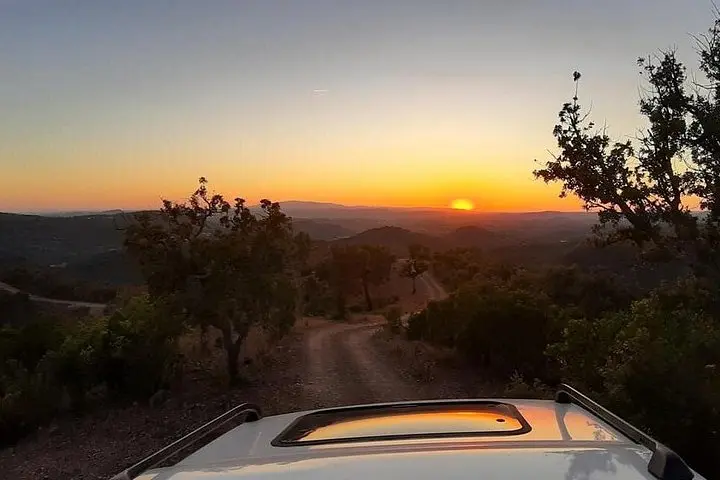
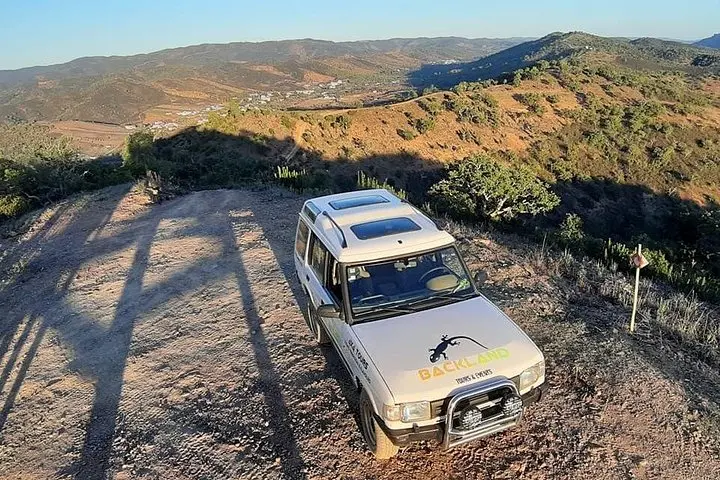
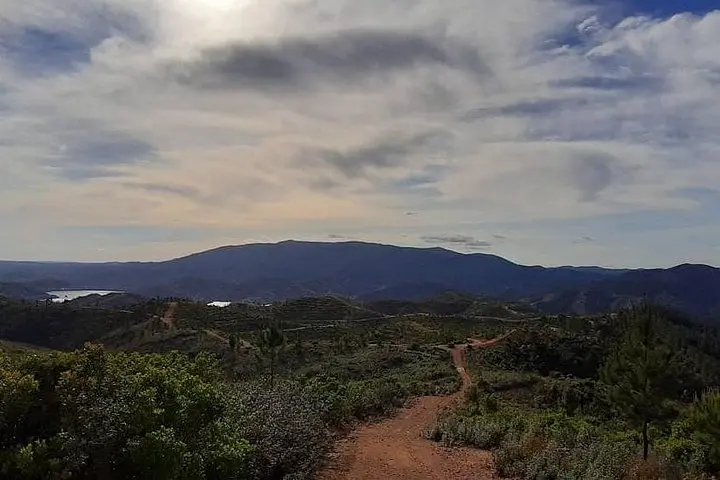
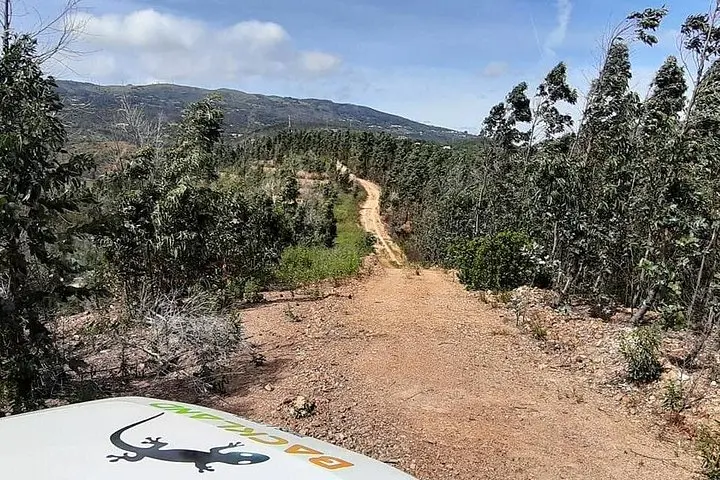
You pull away from the Globo roundabout and the town tilts behind you—white houses and café terraces shrink while cork oaks and salt-stunted shrubs take over. The track is a ribbon of packed earth and loose shale that bites at your tires and promises a route the paved roads never do: a loop that threads ridgelines, small dams, and hidden streams where the scrub opens into low, panoramic views over the Algarve coastline.
You pull away from the Globo roundabout and the town tilts behind you—white houses and café terraces shrink while cork oaks and salt-stunted shrubs take over. The track is a ribbon of packed earth and loose shale that bites at your tires and promises a route the paved roads never do: a loop that threads ridgelines, small dams, and hidden streams where the scrub opens into low, panoramic views over the Algarve coastline.
This is a tag-along self-drive 4x4: you bring the vehicle, a local guide brings the line and local knowledge. Over four hours you’ll move between easy and moderately technical dirt roads designed to test traction rather than nerve—short climbs, water-splashed crossings after rain, and narrow farm tracks that demand attention more than horsepower.
The landscape here is younger than it looks. The Algarve sits on Mesozoic limestone and soft sandstones eroded by wind and winter torrents, producing serrated ridges and short, steep valleys. Human history is layered on top: Phoenician and Roman farmers, centuries of Moorish agriculture that shaped the terraces and irrigation channels, and a modern rural culture centered on olive presses, small distilleries, and cork harvesting. Guides often stop at a traditional distillery or a quiet village square to explain local customs and, season permitting, sample regional spirits.
Wildlife is low and watchful—foxes, geckos and the occasional farmland bird—while the plant life is resilient: rosemary and rockrose cling to the slopes and sometimes scent the air when you stop for photos.
Practical guidance: the tour runs roughly 4 hours and suits drivers with a legal license and current vehicle documentation. Routes are mostly dirt and gravel with repeated gentle climbs; elevation changes are intermittent but nothing alpine—expect short gains of 50–200 meters per climb. The maximum group size per vehicle is four people; the guide escorts in a lead or follow vehicle to keep the route safe and flowing.
Timing matters. Spring and autumn offer the best temperatures and flowering hillsides; summer brings heat and dust, and winter can make some tracks slippery after rain. Bring printed or mobile proof of vehicle insurance and, if you’re not the policyholder, a written authorization from the owner. Footwear should be sturdy and grip-ready—trails at stops may be stony.
Expect stops for photos at viewpoints, a visit to a small distillery or village, and, when weather allows, a dip in a stream or small dam. The experience is part technical off-road practice, part cultural roadside anthropology: the car gives you access, the guide gives you context. For travelers who want to explore the Algarve beyond beaches and boardwalks, this tag-along route is a practical, tactile way to read the land on four wheels.