THE ADVENTURE COLLECTIVE® · Independent discovery and booking for outdoor travel

A compact 10-day route from Algiers to Djanet that pairs Roman ruins, UNESCO-listed ksour and the otherworldly Tassili N'Ajjer. Expect a mix of city tours, short hikes, desert 4x4s and one night of camping under Sahara stars.
A compact 10-day route from Algiers to Djanet that pairs Roman ruins, UNESCO-listed ksour and the otherworldly Tassili N'Ajjer. Expect a mix of city tours, short hikes, desert 4x4s and one night of camping under Sahara stars.
You step from the airport into Algiers' humid coastal air and the city opens like a layered map — the whitewashed harbor, the maze of the Casbah climbing the hill, and the concrete silhouette of a modern capital against the Mediterranean. Over ten days the itinerary moves inland: Roman ruins on the coast, fortified ksour in the M'Zab valley, cliffside Constantine bridges, and finally the sandstone labyrinth of Tassili N'Ajjer where the desert becomes a gallery of ancient rock art.
Verified experiences and guided adventures in the surrounding area.
Operated by Cozy Vibes Travel Algeria · Algiers, Algiers Province
You step from the airport into Algiers' humid coastal air and the city opens like a layered map — the whitewashed harbor, the maze of the Casbah climbing the hill, and the concrete silhouette of a modern capital against the Mediterranean. Over ten days the itinerary moves inland: Roman ruins on the coast, fortified ksour in the M'Zab valley, cliffside Constantine bridges, and finally the sandstone labyrinth of Tassili N'Ajjer where the desert becomes a gallery of ancient rock art.
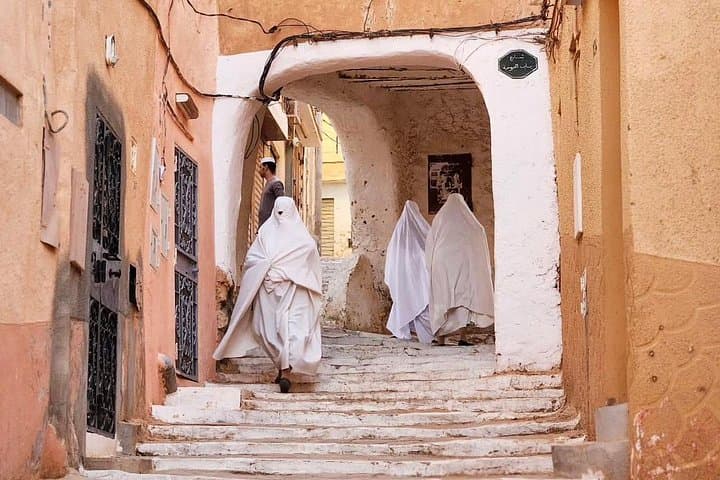
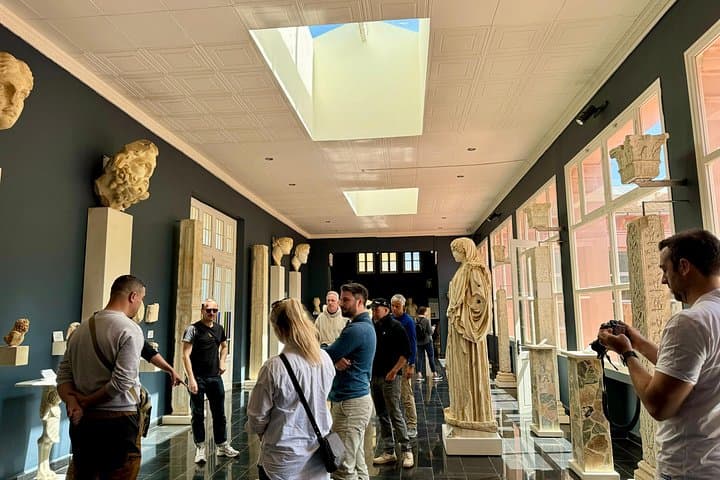
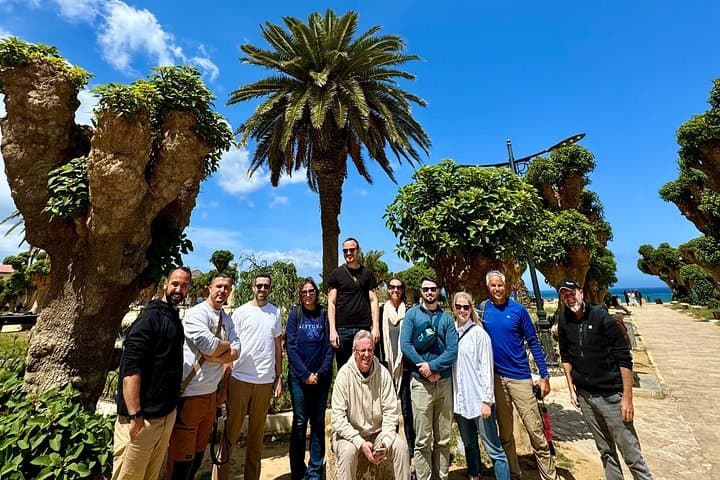
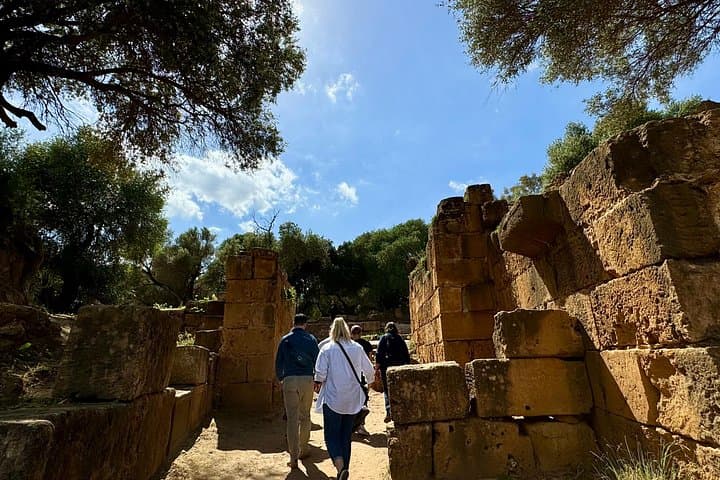
This route threads history and geology. Tipaza's Roman villas sit on limestone terraces above the sea; Djemila preserves paved streets and mosaics from Roman North Africa; Ghardaia demonstrates millennia of adaptive earthen architecture. Tassili's hoodoos and carved mesas are wind-sculpted sandstone, a landscape that recorded human presence in petroglyphs and pictographs thousands of years old.
Culturally the trip meets Arab, Berber, Ottoman and French layers, with Tuareg communities in the south offering music, hospitality, and practical desert knowledge. Nights range from city hotels to a Tuareg-style camp beneath vast, star-rich skies where dunes and canyons take on the color of embers at sunset.
Practical guidance: plan light, breathable layers for large temperature swings; carry a daytime hat, sunscreen, and a refillable bottle for long transfers. Expect dusty 4x4 excursions, short hikes to viewpoints and archaeological sites, and a few flights between cities. Travel documents and domestic flight connections are essential; allow buffer time. This itinerary is immersive, mixing easy urban exploration with moderate desert travel and one night of camping under the Sahara stars.
Yes, the itinerary includes domestic flights (for example Algiers–Ghardaia and Algiers–Djanet) as part of the schedule.
The desert camp is a Tuareg-style setup with basic sleeping arrangements; it suits travelers comfortable with simple facilities and sleeping bags.
Visa and health requirements vary by nationality — check Algeria's consular information and ensure routine vaccines are up to date before travel.
Most days feature short to moderate walks (30–90 minutes) at archaeological sites and viewpoints; the trip is rated suitable for all fitness levels.
Cozy Vibes Travel Algeria operates guided outdoor trips and adventures with an emphasis on safety, stewardship, and memorable experiences.
You step from the airport into Algiers' humid coastal air and the city opens like a layered map — the whitewashed harbor, the maze of the Casbah climbing the hill, and the concrete silhouette of a modern capital against the Mediterranean. Over ten days the itinerary moves inland: Roman ruins on the coast, fortified ksour in the M'Zab valley, cliffside Constantine bridges, and finally the sandstone labyrinth of Tassili N'Ajjer where the desert becomes a gallery of ancient rock art.
You step from the airport into Algiers' humid coastal air and the city opens like a layered map — the whitewashed harbor, the maze of the Casbah climbing the hill, and the concrete silhouette of a modern capital against the Mediterranean. Over ten days the itinerary moves inland: Roman ruins on the coast, fortified ksour in the M'Zab valley, cliffside Constantine bridges, and finally the sandstone labyrinth of Tassili N'Ajjer where the desert becomes a gallery of ancient rock art.
This route threads history and geology. Tipaza's Roman villas sit on limestone terraces above the sea; Djemila preserves paved streets and mosaics from Roman North Africa; Ghardaia demonstrates millennia of adaptive earthen architecture. Tassili's hoodoos and carved mesas are wind-sculpted sandstone, a landscape that recorded human presence in petroglyphs and pictographs thousands of years old.
Culturally the trip meets Arab, Berber, Ottoman and French layers, with Tuareg communities in the south offering music, hospitality, and practical desert knowledge. Nights range from city hotels to a Tuareg-style camp beneath vast, star-rich skies where dunes and canyons take on the color of embers at sunset.
Practical guidance: plan light, breathable layers for large temperature swings; carry a daytime hat, sunscreen, and a refillable bottle for long transfers. Expect dusty 4x4 excursions, short hikes to viewpoints and archaeological sites, and a few flights between cities. Travel documents and domestic flight connections are essential; allow buffer time. This itinerary is immersive, mixing easy urban exploration with moderate desert travel and one night of camping under the Sahara stars.