THE ADVENTURE COLLECTIVE® · Independent discovery and booking for outdoor travel

Walk Alicante’s Central Market and historic streets, ride up to Santa Bárbara Castle, and finish with an award-winning tapa and drink. This small-group, 2–3 hour tour blends local flavors with coastal history.
Walk Alicante’s Central Market and historic streets, ride up to Santa Bárbara Castle, and finish with an award-winning tapa and drink. This small-group, 2–3 hour tour blends local flavors with coastal history.
The day begins amid the hum of Alicante’s Central Market: vendors call out over crates of citrus, the smell of frying anchovies threads through the air, and the Mediterranean light glints off fish scales and olive oil tins. From there the group slips into narrow streets and climbs—by private transfer and short stairways—to the ramparts of Santa Bárbara Castle, where the sea dares you to look all the way to Tabarca Island.
Verified experiences and guided adventures in the surrounding area.
Operated by Alicante Tasting Club · Alicante, Alicante (Province)
The day begins amid the hum of Alicante’s Central Market: vendors call out over crates of citrus, the smell of frying anchovies threads through the air, and the Mediterranean light glints off fish scales and olive oil tins. From there the group slips into narrow streets and climbs—by private transfer and short stairways—to the ramparts of Santa Bárbara Castle, where the sea dares you to look all the way to Tabarca Island.
Alicante’s castle sits on a hill with layers of history: Iberian, Roman, Islamic and medieval Christian hands reworked the fortress across a millennium. The geology is limestone bedrock and sandstone outcrops that shaped the old fortifications and the steep streets of the casco antiguo. Culture here is tactile—market stalls, church bells, and a tapas scene built on simple, bold flavors.
Expect about 2–3 hours of mostly easy walking (roughly 2 km total), a private shuttle up to the castle, guided stories of local legends and seven neighborhood secrets, and a visit to an award-winning tapas bar for a signature tapa and a drink. The guide mixes history and practical notes—where to buy local sweets, which viewpoints give the best bay photos, and how to read the city’s layered architecture.
Practical guidance: bring comfortable walking shoes, sun protection, and a light jacket for breezy ramparts. Carry a small amount of cash for market purchases; try to arrive 10 minutes early to the meeting point. If you have reduced mobility or strong vertigo, check accessibility before booking—there are steps on the route.
Yes—snacks at the Central Market and one sizeable tapa plus a choice of sangria, local wine, beer or soft drink are included.
The tour covers about 2 km, mostly flat or downhill, but includes steps and short ascents at the castle; private transport reduces uphill walking.
The tour starts at Alicante’s Central Market; confirm the exact stall or entrance with the operator when you book.
Not recommended for people with reduced mobility or strong vertigo due to steps and elevated viewpoints—contact the operator to discuss accommodations.
Alicante Tasting Club operates guided outdoor trips and adventures with an emphasis on safety, stewardship, and memorable experiences.

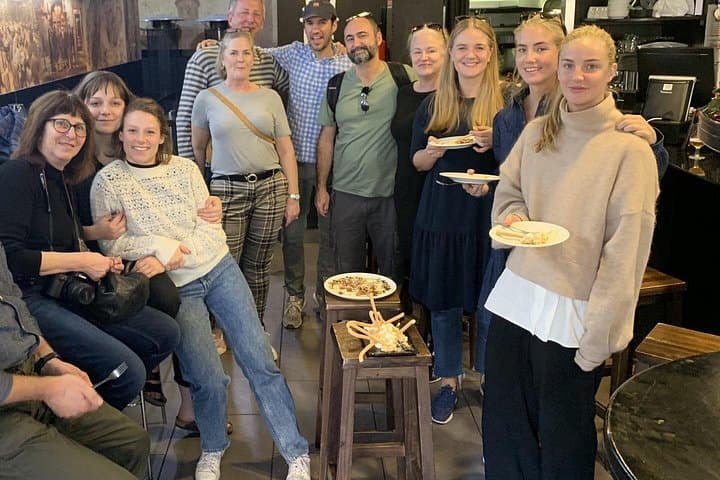


The day begins amid the hum of Alicante’s Central Market: vendors call out over crates of citrus, the smell of frying anchovies threads through the air, and the Mediterranean light glints off fish scales and olive oil tins. From there the group slips into narrow streets and climbs—by private transfer and short stairways—to the ramparts of Santa Bárbara Castle, where the sea dares you to look all the way to Tabarca Island.
The day begins amid the hum of Alicante’s Central Market: vendors call out over crates of citrus, the smell of frying anchovies threads through the air, and the Mediterranean light glints off fish scales and olive oil tins. From there the group slips into narrow streets and climbs—by private transfer and short stairways—to the ramparts of Santa Bárbara Castle, where the sea dares you to look all the way to Tabarca Island.
Alicante’s castle sits on a hill with layers of history: Iberian, Roman, Islamic and medieval Christian hands reworked the fortress across a millennium. The geology is limestone bedrock and sandstone outcrops that shaped the old fortifications and the steep streets of the casco antiguo. Culture here is tactile—market stalls, church bells, and a tapas scene built on simple, bold flavors.
Expect about 2–3 hours of mostly easy walking (roughly 2 km total), a private shuttle up to the castle, guided stories of local legends and seven neighborhood secrets, and a visit to an award-winning tapas bar for a signature tapa and a drink. The guide mixes history and practical notes—where to buy local sweets, which viewpoints give the best bay photos, and how to read the city’s layered architecture.
Practical guidance: bring comfortable walking shoes, sun protection, and a light jacket for breezy ramparts. Carry a small amount of cash for market purchases; try to arrive 10 minutes early to the meeting point. If you have reduced mobility or strong vertigo, check accessibility before booking—there are steps on the route.