THE ADVENTURE COLLECTIVE® · Independent discovery and booking for outdoor travel

Two days tracing the Dominican Republic’s remote southern coast: natural pools, coastal viewpoints and the famously clear waters of Bahía de las Águilas. This all-inclusive itinerary mixes short swims, cultural stops and protected beach time for an accessible, nature-first escape.
Two days tracing the Dominican Republic’s remote southern coast: natural pools, coastal viewpoints and the famously clear waters of Bahía de las Águilas. This all-inclusive itinerary mixes short swims, cultural stops and protected beach time for an accessible, nature-first escape.
The trip opens with a stretch of highway and coastal light — a convoy of vans pushing south as palms and scrub give way to limestone racks and low mangrove arms. By the time you reach the Malecón in Barahona, the sea has a different voice: salt-bright and insistent, promising clearer water ahead. On day one, small rivers and natural pools — Los Patos, Los Pósitos, San Rafael and Arroyo Salado — invite slow immersion; each spring-fed spa carries its own current and shade, and the shallow channels dare you to wade deeper.
Verified experiences and guided adventures in the surrounding area.
Operated by Bahia de las Aguilas Tours · Pedernales, Pedernales Province
The trip opens with a stretch of highway and coastal light — a convoy of vans pushing south as palms and scrub give way to limestone racks and low mangrove arms. By the time you reach the Malecón in Barahona, the sea has a different voice: salt-bright and insistent, promising clearer water ahead. On day one, small rivers and natural pools — Los Patos, Los Pósitos, San Rafael and Arroyo Salado — invite slow immersion; each spring-fed spa carries its own current and shade, and the shallow channels dare you to wade deeper.
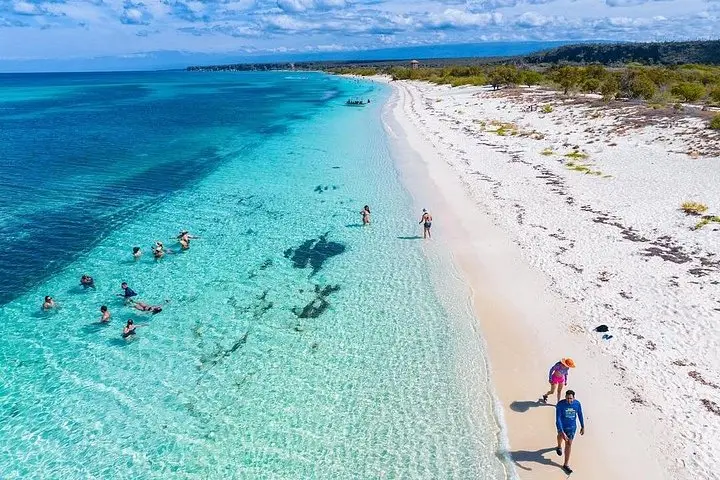
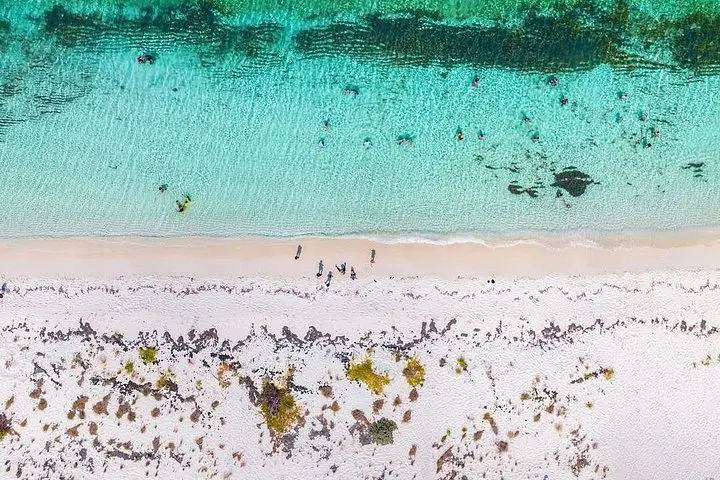
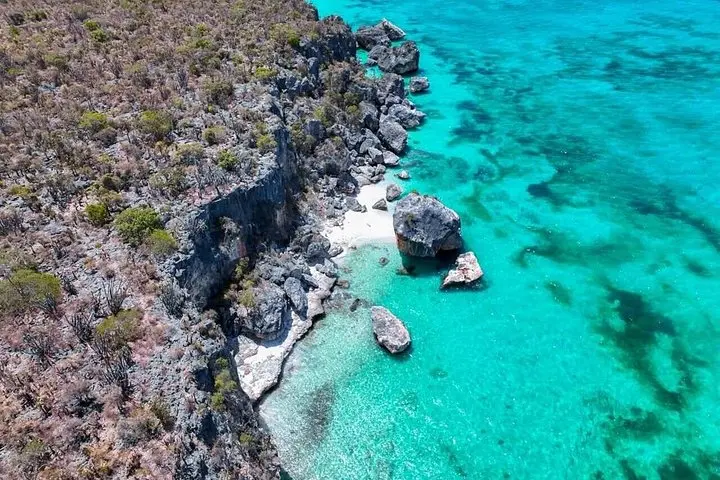
This route threads contemporary provincial life with older landscapes. The southern shore sits atop carbonate benches and alluvial fans that create the plain around Pedernales; Bahía de las Águilas itself lies inside Jaragua National Park and preserves broad white beaches and turquoise surf. Local culture reflects cross-border trade with Haiti and a fishing heritage still visible at small market stalls along the roadside.
Practically, expect two full days of travel and sight-seeing with included meals and a hotel night. Much of the terrain is sand, packed road and short walks to pools; shallow swimming and snorkeling-ready water dominate the beach stop. Bring reef-safe sunscreen, water shoes for rocky pools, and a day pack for camera gear and layers — shade is limited on the beachfront. Timings can be long between stops; carry snacks and a filled water bottle. Respect protected areas: Jaragua’s shorelines are fragile, and visitors are asked to carry out trash and avoid disturbing turtle nesting areas. With simple prep, the tour delivers dramatic coastal scenery, quiet natural pools and a clear, nearly untouched beach that rewards those willing to travel off the usual Dominican circuit.
Bahía de las Águilas is remote and lies within a protected area; the beach has calm, clear waters good for swimming in designated zones — always follow guide instructions about currents and protected areas.
This all‑inclusive tour includes two breakfasts, two lunches and dinners as listed, plus one hotel night on the first evening.
The itinerary is described as suitable for all fitness levels, but expect sandy and uneven ground; travelers with serious mobility issues should inquire about specific accessibility before booking.
Carry some Dominican pesos for small purchases at roadside stalls and the bilateral market at the border; larger payments are usually covered by the tour package.
Bahia de las Aguilas Tours operates guided outdoor trips and adventures with an emphasis on safety, stewardship, and memorable experiences.
The trip opens with a stretch of highway and coastal light — a convoy of vans pushing south as palms and scrub give way to limestone racks and low mangrove arms. By the time you reach the Malecón in Barahona, the sea has a different voice: salt-bright and insistent, promising clearer water ahead. On day one, small rivers and natural pools — Los Patos, Los Pósitos, San Rafael and Arroyo Salado — invite slow immersion; each spring-fed spa carries its own current and shade, and the shallow channels dare you to wade deeper.
The trip opens with a stretch of highway and coastal light — a convoy of vans pushing south as palms and scrub give way to limestone racks and low mangrove arms. By the time you reach the Malecón in Barahona, the sea has a different voice: salt-bright and insistent, promising clearer water ahead. On day one, small rivers and natural pools — Los Patos, Los Pósitos, San Rafael and Arroyo Salado — invite slow immersion; each spring-fed spa carries its own current and shade, and the shallow channels dare you to wade deeper.
This route threads contemporary provincial life with older landscapes. The southern shore sits atop carbonate benches and alluvial fans that create the plain around Pedernales; Bahía de las Águilas itself lies inside Jaragua National Park and preserves broad white beaches and turquoise surf. Local culture reflects cross-border trade with Haiti and a fishing heritage still visible at small market stalls along the roadside.
Practically, expect two full days of travel and sight-seeing with included meals and a hotel night. Much of the terrain is sand, packed road and short walks to pools; shallow swimming and snorkeling-ready water dominate the beach stop. Bring reef-safe sunscreen, water shoes for rocky pools, and a day pack for camera gear and layers — shade is limited on the beachfront. Timings can be long between stops; carry snacks and a filled water bottle. Respect protected areas: Jaragua’s shorelines are fragile, and visitors are asked to carry out trash and avoid disturbing turtle nesting areas. With simple prep, the tour delivers dramatic coastal scenery, quiet natural pools and a clear, nearly untouched beach that rewards those willing to travel off the usual Dominican circuit.