THE ADVENTURE COLLECTIVE® · Independent discovery and booking for outdoor travel

Spend a full day moving from the frenetic Tsukiji stalls to the quiet paths of Meiji Shrine and the panoramic heights of Tokyo Skytree. This shared, hotel-picked tour packs Tokyo’s highlights into a single, manageable itinerary for first-time visitors.
Spend a full day moving from the frenetic Tsukiji stalls to the quiet paths of Meiji Shrine and the panoramic heights of Tokyo Skytree. This shared, hotel-picked tour packs Tokyo’s highlights into a single, manageable itinerary for first-time visitors.
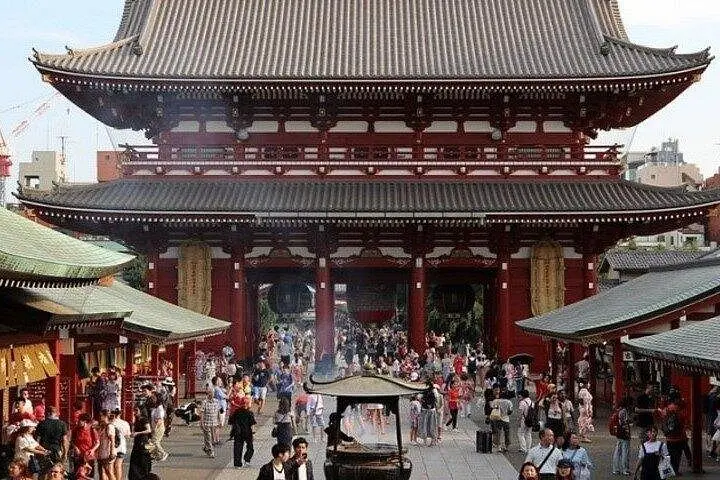
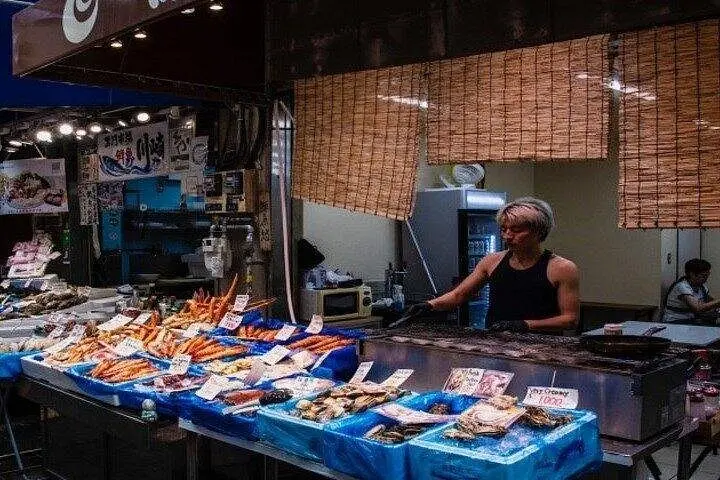
Morning light slices between glass towers as your guide leads a small shared group onto a narrow alley of Tsukiji, where the scent of soy and seared fish dares you to step closer. The day unfolds at a steady pace: market stalls and knife-sharp trades, the hush of temple gates, and a rising cityscape from a tower that seems to pierce the sky.
Verified experiences and guided adventures in the surrounding area.
Operated by BARBIL TOURS · Tokyo, Tokyo
Morning light slices between glass towers as your guide leads a small shared group onto a narrow alley of Tsukiji, where the scent of soy and seared fish dares you to step closer. The day unfolds at a steady pace: market stalls and knife-sharp trades, the hush of temple gates, and a rising cityscape from a tower that seems to pierce the sky.
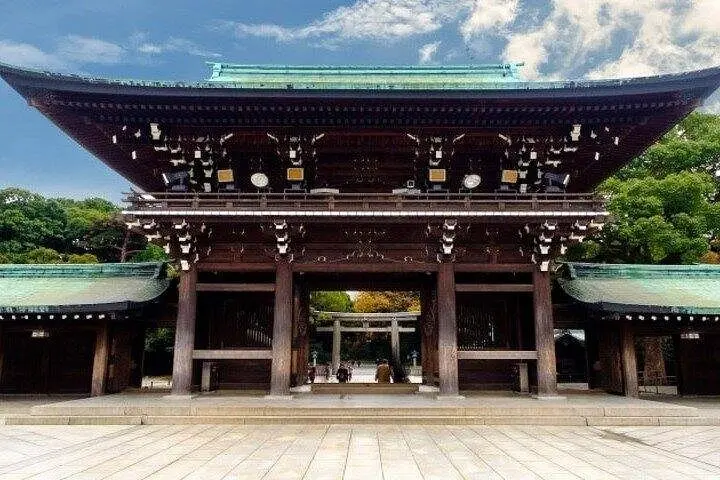
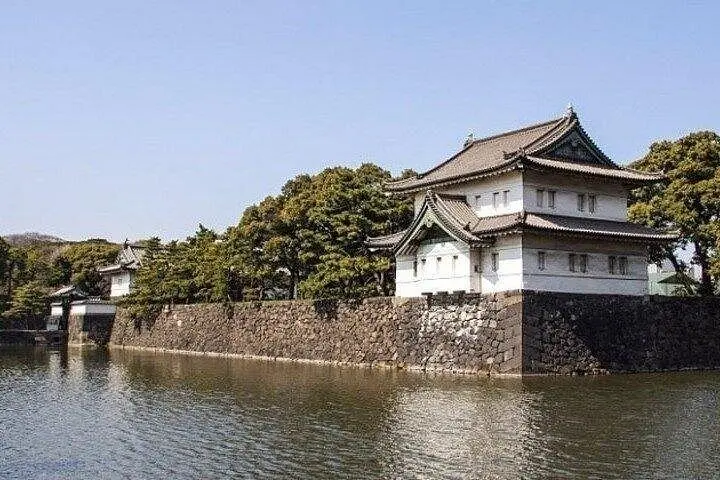
Tokyo’s streets map centuries of change. Once Edo, the city grew around waterways and defensive moats; Meiji-era reforms transformed it into a modern capital, and 20th-century rebuilding stitched old wooden neighborhoods with concrete and steel. Geologically, Tokyo sits on a river delta and alluvial plain; that flatness makes the city walkable but also historically prone to flooding, which shaped its canals and parks. Culturally, this tour threads Shinto ritual at Meiji Shrine, the showmanship of Shibuya and Harajuku, and the everyday food culture at Tsukiji and nearby stalls.
Expect 10 hours of mostly urban walking with multiple short stops—stairs at shrines, long corridors at observation decks, and busy crosswalks. Guides typically handle lines and logistics; admission for Skytree is included here. Plan for frequent photo stops and brief pockets of free time for snacks or quick shopping.
Practical tips: wear broken-in walking shoes, carry a small daypack, and bring a portable charger; Tokyo’s efficient transit can be used if you peel off early. Visit early in spring or late autumn for comfortable temperatures and fewer crowds. Hydrate, pace yourself through neighborhoods, and keep receipts—Japan’s attention to service makes small practical details easy to manage.
Pickup covers central Tokyo hotels—confirm your pickup point at booking and expect a windowed pickup time.
The tour includes admission to Tokyo Skytree; other sites such as Meiji Shrine and Nakamise are public and do not require paid admission.
Yes—infant seats and stroller access are noted; expect a full-day schedule with walking so plan for breaks.
Guides generally speak English; confirm language availability at booking if you require another language.
BARBIL TOURS operates guided outdoor trips and adventures with an emphasis on safety, stewardship, and memorable experiences.
Morning light slices between glass towers as your guide leads a small shared group onto a narrow alley of Tsukiji, where the scent of soy and seared fish dares you to step closer. The day unfolds at a steady pace: market stalls and knife-sharp trades, the hush of temple gates, and a rising cityscape from a tower that seems to pierce the sky.
Morning light slices between glass towers as your guide leads a small shared group onto a narrow alley of Tsukiji, where the scent of soy and seared fish dares you to step closer. The day unfolds at a steady pace: market stalls and knife-sharp trades, the hush of temple gates, and a rising cityscape from a tower that seems to pierce the sky.
Tokyo’s streets map centuries of change. Once Edo, the city grew around waterways and defensive moats; Meiji-era reforms transformed it into a modern capital, and 20th-century rebuilding stitched old wooden neighborhoods with concrete and steel. Geologically, Tokyo sits on a river delta and alluvial plain; that flatness makes the city walkable but also historically prone to flooding, which shaped its canals and parks. Culturally, this tour threads Shinto ritual at Meiji Shrine, the showmanship of Shibuya and Harajuku, and the everyday food culture at Tsukiji and nearby stalls.
Expect 10 hours of mostly urban walking with multiple short stops—stairs at shrines, long corridors at observation decks, and busy crosswalks. Guides typically handle lines and logistics; admission for Skytree is included here. Plan for frequent photo stops and brief pockets of free time for snacks or quick shopping.
Practical tips: wear broken-in walking shoes, carry a small daypack, and bring a portable charger; Tokyo’s efficient transit can be used if you peel off early. Visit early in spring or late autumn for comfortable temperatures and fewer crowds. Hydrate, pace yourself through neighborhoods, and keep receipts—Japan’s attention to service makes small practical details easy to manage.