THE ADVENTURE COLLECTIVE® · Independent discovery and booking for outdoor travel

A compact, full-day circuit through Ubud’s cultural heart: meet macaques in the Sacred Monkey Forest, stroll the traditional market and palace, take in Tegalalang’s rice terraces and volcanic panoramas, and cleanse at Tirta Empul. Practical for travelers who want nature, culture and easy walking in one day.
A compact, full-day circuit through Ubud’s cultural heart: meet macaques in the Sacred Monkey Forest, stroll the traditional market and palace, take in Tegalalang’s rice terraces and volcanic panoramas, and cleanse at Tirta Empul. Practical for travelers who want nature, culture and easy walking in one day.
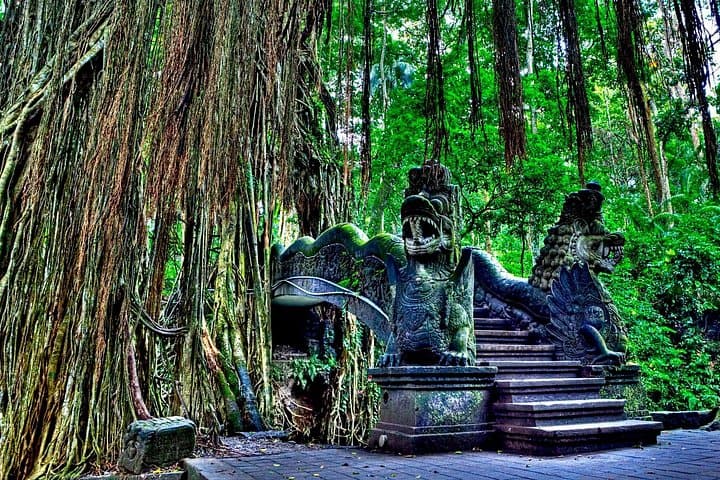
You step out of an air-conditioned van into the humid hum of Ubud—frangipani-scented air, warung chatter, and the distant chitter of macaques. The Sacred Monkey Forest opens like a living theater: long-tailed macaques weave through stone shrines while sunlight sketches leaf patterns on mossed statues. From there the route threads through Ubud Market and the Royal Palace, where carved wood and ornate gates map generations of Balinese craft.
Verified experiences and guided adventures in the surrounding area.
Operated by Bali Wonder · Ubud, Bali
You step out of an air-conditioned van into the humid hum of Ubud—frangipani-scented air, warung chatter, and the distant chitter of macaques. The Sacred Monkey Forest opens like a living theater: long-tailed macaques weave through stone shrines while sunlight sketches leaf patterns on mossed statues. From there the route threads through Ubud Market and the Royal Palace, where carved wood and ornate gates map generations of Balinese craft.
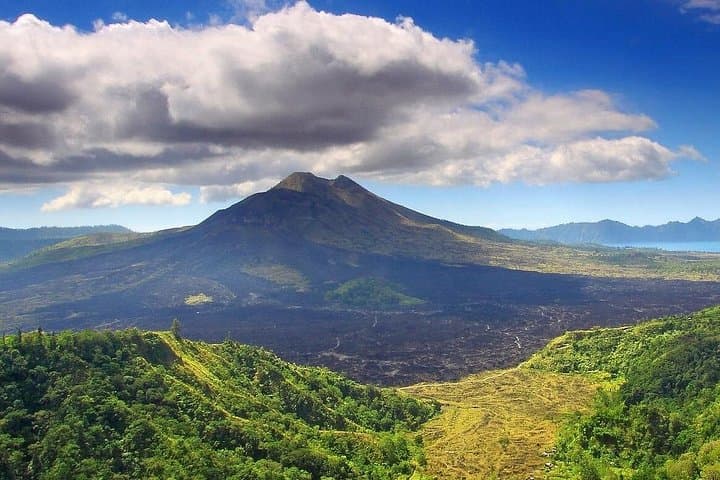
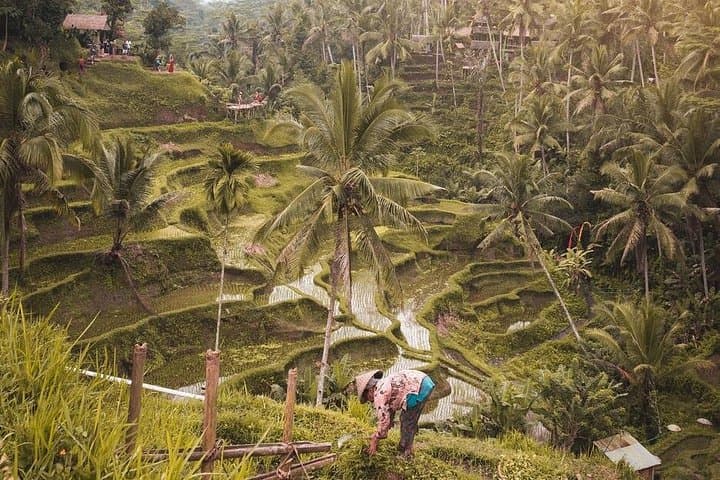
Leave the town bustle for the layered slopes of Tegalalang, where irrigated rice terraces undulate at roughly 600m above sea level and the water channels—subak—hold an agricultural system centuries old. The road climbs toward Kintamani and Mount Batur; on clear days the volcano and blue Lake Batur sit like a geological portrait of recent fire and persistent life. The day rounds out at Tirta Empul, a temple built around a holy spring where locals bathe in purification rituals that reflect Bali’s living Hindu traditions.
This is a full-day cultural loop—largely roadside stops, short walks and viewpoints rather than long hikes—best tackled early to avoid midday heat and crowds. Expect uneven village paths, temple steps and brief climbs at viewpoints; bring sun protection, respectful clothing for sacred sites, and cash for market bargaining and small offerings. Guides often explain the subak irrigation, local crafts, and temple etiquette—listen closely: it converts sightseeing into understanding. For anyone who wants more time, operators commonly offer an optional second day to explore Jatiluwih or mountaineering options around Batur.
Generally yes with supervision—keep children close, avoid feeding monkeys and follow guide instructions; the macaques are wild and can be unpredictable.
This tour visits viewpoints of Lake Batur; swimming isn't typically included—arrangements for lake access or trekking Mount Batur require a different itinerary.
Most day tours include standard entrance fees, but small local charges or parking fees may be payable on-site—confirm with your operator in advance.
Yes—visitors should cover knees and shoulders; sarongs are often available to rent or borrow at the temple for a small fee.
Bali Wonder operates guided outdoor trips and adventures with an emphasis on safety, stewardship, and memorable experiences.

You step out of an air-conditioned van into the humid hum of Ubud—frangipani-scented air, warung chatter, and the distant chitter of macaques. The Sacred Monkey Forest opens like a living theater: long-tailed macaques weave through stone shrines while sunlight sketches leaf patterns on mossed statues. From there the route threads through Ubud Market and the Royal Palace, where carved wood and ornate gates map generations of Balinese craft.
You step out of an air-conditioned van into the humid hum of Ubud—frangipani-scented air, warung chatter, and the distant chitter of macaques. The Sacred Monkey Forest opens like a living theater: long-tailed macaques weave through stone shrines while sunlight sketches leaf patterns on mossed statues. From there the route threads through Ubud Market and the Royal Palace, where carved wood and ornate gates map generations of Balinese craft.
Leave the town bustle for the layered slopes of Tegalalang, where irrigated rice terraces undulate at roughly 600m above sea level and the water channels—subak—hold an agricultural system centuries old. The road climbs toward Kintamani and Mount Batur; on clear days the volcano and blue Lake Batur sit like a geological portrait of recent fire and persistent life. The day rounds out at Tirta Empul, a temple built around a holy spring where locals bathe in purification rituals that reflect Bali’s living Hindu traditions.
This is a full-day cultural loop—largely roadside stops, short walks and viewpoints rather than long hikes—best tackled early to avoid midday heat and crowds. Expect uneven village paths, temple steps and brief climbs at viewpoints; bring sun protection, respectful clothing for sacred sites, and cash for market bargaining and small offerings. Guides often explain the subak irrigation, local crafts, and temple etiquette—listen closely: it converts sightseeing into understanding. For anyone who wants more time, operators commonly offer an optional second day to explore Jatiluwih or mountaineering options around Batur.