THE ADVENTURE COLLECTIVE® · Independent discovery and booking for outdoor travel

Spend 90 minutes at Flying Dutchman Alpacas where a curated picnic meets up-close time with friendly alpacas. It’s a relaxed, educational farm experience—ideal for families, couples, and anyone craving a playful escape from Bend’s trails.
Spend 90 minutes at Flying Dutchman Alpacas where a curated picnic meets up-close time with friendly alpacas. It’s a relaxed, educational farm experience—ideal for families, couples, and anyone craving a playful escape from Bend’s trails.
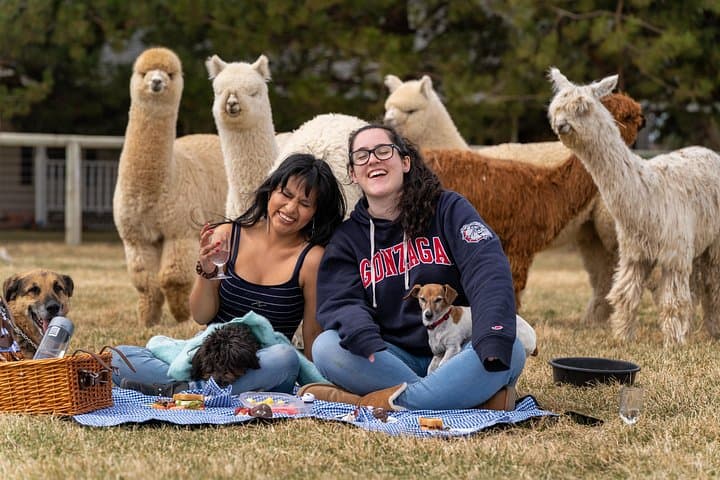
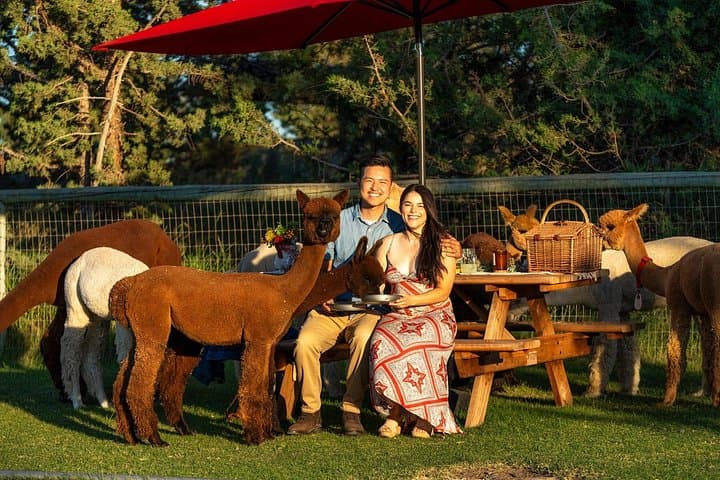
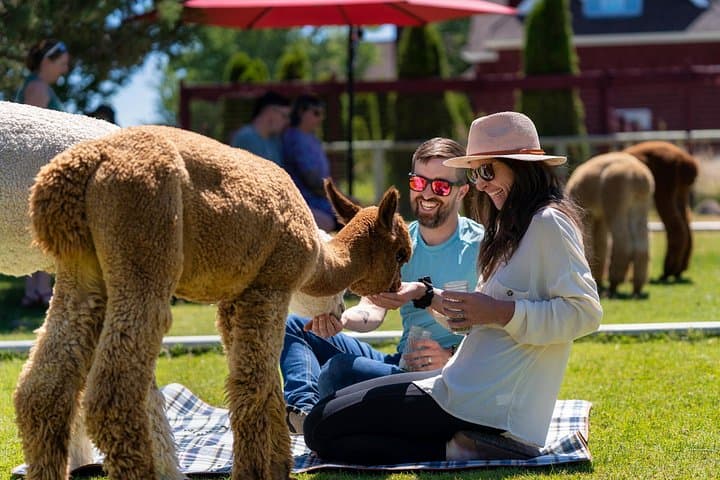
You arrive at the Tumalo Coffeehouse map pin, press the bell inside and a staffer nods toward a farmhouse lane. A short drive later the high-desert opens, sagebrush edging a ribbon of dirt road, and the pasture comes into view: low wooden picnic tables, a scattering of hay bales, and a curious cluster of alpacas blinking in the afternoon light.
Verified experiences and guided adventures in the surrounding area.
Operated by Alpaca Experiences · Bend, Oregon
You arrive at the Tumalo Coffeehouse map pin, press the bell inside and a staffer nods toward a farmhouse lane. A short drive later the high-desert opens, sagebrush edging a ribbon of dirt road, and the pasture comes into view: low wooden picnic tables, a scattering of hay bales, and a curious cluster of alpacas blinking in the afternoon light.
The first alpaca that approaches does so with deliberate curiosity—long eyelashes, soft fleece that looks like a weathered blanket, nose twitching at the picnic basket scent. They are neither invasive nor aloof; they gauge you with the slow, exact precision of animals that evolved in herds. For 90 minutes the farm offers something rare: focused, calm time with domestic camelids, an educational farm tour, and a chef-prepared picnic that turns a simple lunch into a multisensory lesson in rural life.
This small farm in the shadow of central Oregon’s volcanic rim reflects a broader story. Alpacas were domesticated in the Andean highlands; breeders like Flying Dutchman trace bloodlines and shearing traditions back to Peru while translating them to the high desert’s pumice soils and cool nights. The landscape itself bears geological history—lava flows and cinder cones from nearby Newberry Volcano have shaped soils and water patterns, creating the mosaic of pasture, riparian squeeze, and juniper-studded hillsides the alpacas call home.
The experience is both gentle and instructive. Guides explain fiber grades and the seasonal shear cycle—book before mid-May for maximum floof—or plan for the lean, post-shear months when the animals look quirky. The farm is wheelchair accessible and family-friendly, with accommodations for most dietary needs and a strong emphasis on animal welfare.
Practical notes: follow the meeting instructions closely—Tumalo Coffeehouse is the rendezvous; escorts guide visitors to the farm because the entrance is easy to miss. Wear closed-toe shoes suitable for pasture ground, bring layers for wind and shade, and keep human food out of reach. Alpaca snacks provided by the farm are the only treats recommended; sudden movements or loud noises will send the herd retreating.
Beyond the picnic, Bend’s outdoor offerings are minutes away—trailheads, river access, and craft breweries—making this a low-effort, high-delight stop in any Central Oregon itinerary. Whether you’re planning a family outing, a team-building event, or a slightly offbeat romantic date, the Alpaca Picnic Experience is an accessible, sensory way to connect with place, animals, and the agricultural rhythms that quietly shape this high-desert valley.
Yes—this is family-friendly and great for kids, but children should be supervised around animals and follow guide instructions.
Yes; the operator lists wheelchair-accessible areas and transportation options to accommodate most mobility needs.
Only farm-provided alpaca feed is allowed; do not offer human food or unauthorized treats.
Tours can be canceled for bad weather; check the 24-hour cancellation policy and bring rain layers if conditions look uncertain.
Shearing typically occurs in mid-May—book earlier in spring for the fluffiest fleece, or expect a shorter coat after shearing.
Yes; the farm can handle common dietary restrictions including vegetarian, vegan, and gluten-free with advance notice.
Alpaca Experiences operates guided outdoor trips and adventures with an emphasis on safety, stewardship, and memorable experiences.

You arrive at the Tumalo Coffeehouse map pin, press the bell inside and a staffer nods toward a farmhouse lane. A short drive later the high-desert opens, sagebrush edging a ribbon of dirt road, and the pasture comes into view: low wooden picnic tables, a scattering of hay bales, and a curious cluster of alpacas blinking in the afternoon light.
You arrive at the Tumalo Coffeehouse map pin, press the bell inside and a staffer nods toward a farmhouse lane. A short drive later the high-desert opens, sagebrush edging a ribbon of dirt road, and the pasture comes into view: low wooden picnic tables, a scattering of hay bales, and a curious cluster of alpacas blinking in the afternoon light.
The first alpaca that approaches does so with deliberate curiosity—long eyelashes, soft fleece that looks like a weathered blanket, nose twitching at the picnic basket scent. They are neither invasive nor aloof; they gauge you with the slow, exact precision of animals that evolved in herds. For 90 minutes the farm offers something rare: focused, calm time with domestic camelids, an educational farm tour, and a chef-prepared picnic that turns a simple lunch into a multisensory lesson in rural life.
This small farm in the shadow of central Oregon’s volcanic rim reflects a broader story. Alpacas were domesticated in the Andean highlands; breeders like Flying Dutchman trace bloodlines and shearing traditions back to Peru while translating them to the high desert’s pumice soils and cool nights. The landscape itself bears geological history—lava flows and cinder cones from nearby Newberry Volcano have shaped soils and water patterns, creating the mosaic of pasture, riparian squeeze, and juniper-studded hillsides the alpacas call home.
The experience is both gentle and instructive. Guides explain fiber grades and the seasonal shear cycle—book before mid-May for maximum floof—or plan for the lean, post-shear months when the animals look quirky. The farm is wheelchair accessible and family-friendly, with accommodations for most dietary needs and a strong emphasis on animal welfare.
Practical notes: follow the meeting instructions closely—Tumalo Coffeehouse is the rendezvous; escorts guide visitors to the farm because the entrance is easy to miss. Wear closed-toe shoes suitable for pasture ground, bring layers for wind and shade, and keep human food out of reach. Alpaca snacks provided by the farm are the only treats recommended; sudden movements or loud noises will send the herd retreating.
Beyond the picnic, Bend’s outdoor offerings are minutes away—trailheads, river access, and craft breweries—making this a low-effort, high-delight stop in any Central Oregon itinerary. Whether you’re planning a family outing, a team-building event, or a slightly offbeat romantic date, the Alpaca Picnic Experience is an accessible, sensory way to connect with place, animals, and the agricultural rhythms that quietly shape this high-desert valley.