THE ADVENTURE COLLECTIVE® · Independent discovery and booking for outdoor travel

A 12-day high-altitude circuit in Peru’s Cordillera Blanca that links Laguna 69, multiple 4,400–4,850 m passes and the base of Alpamayo—plus a community donation day that brings aid directly to local villages. Expect long days, alpine camps and dramatic glacial scenery.
A 12-day high-altitude circuit in Peru’s Cordillera Blanca that links Laguna 69, multiple 4,400–4,850 m passes and the base of Alpamayo—plus a community donation day that brings aid directly to local villages. Expect long days, alpine camps and dramatic glacial scenery.
Dawn in the Callejón de Huaylas smells of wood smoke and coffee; the bus grinds north from Huaraz and the peaks of the Cordillera Blanca begin to rise like a row of weathered teeth. On day two you step at 4,000 m from Cebollapampa and climb toward Laguna 69 — a quick, steep slice of alpine blue that wakes your legs and tests your lungs. Over the next ten days the route threads high passes (up to about 4,850 m), remote valleys and campsites under the north face of Alpamayo.
Verified experiences and guided adventures in the surrounding area.
Operated by First Class Huaraz · Huaraz, Ancash
Dawn in the Callejón de Huaylas smells of wood smoke and coffee; the bus grinds north from Huaraz and the peaks of the Cordillera Blanca begin to rise like a row of weathered teeth. On day two you step at 4,000 m from Cebollapampa and climb toward Laguna 69 — a quick, steep slice of alpine blue that wakes your legs and tests your lungs. Over the next ten days the route threads high passes (up to about 4,850 m), remote valleys and campsites under the north face of Alpamayo.
Geology here is raw: glacially carved cirques, moraine ridges and steep granite faces shaped by repeated ice advance and retreat. The human story is equally present — Quechua-speaking communities have grazed these slopes for centuries, and many villages still maintain traditional weaving and pastoral lifeways. This specific program embeds community support: a day is set aside to bring donated goods directly to a selected village to ensure contributions reach real people.
Expect long trekking days (6–9+ hours), rocky trails, grassy high camps (3,800–4,300 m) and cold nights in two-person tents. The toughest stretches include Yanacon and Caracara passes; altitude, not technical terrain, is the primary challenge. Practical guidance: build in days to acclimatize, carry layered clothing for sun and near-freezing nights, use trekking poles to protect knees on long descents, and plan for variable weather—sun one hour, hail the next. Water sources are present but treat or filter; pack high-calorie snacks and prioritize hydration. This is a demanding but highly rewarding high‑altitude circuit for prepared trekkers who want both classic alpine scenery and direct cultural impact.
No technical climbing is required for the standard 12‑day circuit; however, you must be comfortable trekking long days at high altitude and able to manage steep, rocky trails.
The dry season (May–September) offers the most stable weather; afternoons can still be stormy in shoulder months, so expect variability.
Yes—two-person tents are provided on most nights and basic mountain hostel accommodation is used at certain points (e.g., Vaquería hostel and final nights near Huaraz).
A portion of your tour fee is used to purchase goods for an identified village; the donation visit is organized with local leaders and contributors witness the delivery to ensure transparency.
First Class Huaraz operates guided outdoor trips and adventures with an emphasis on safety, stewardship, and memorable experiences.
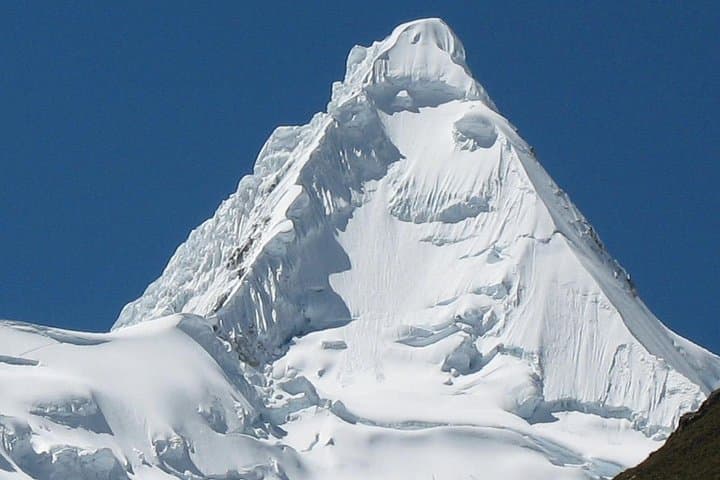
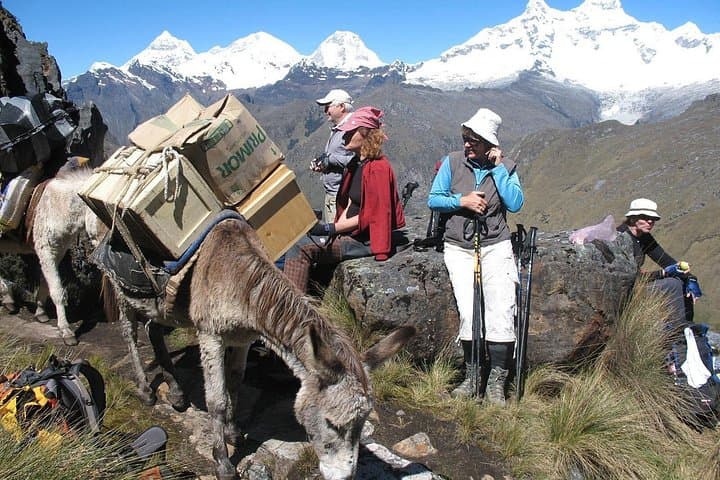
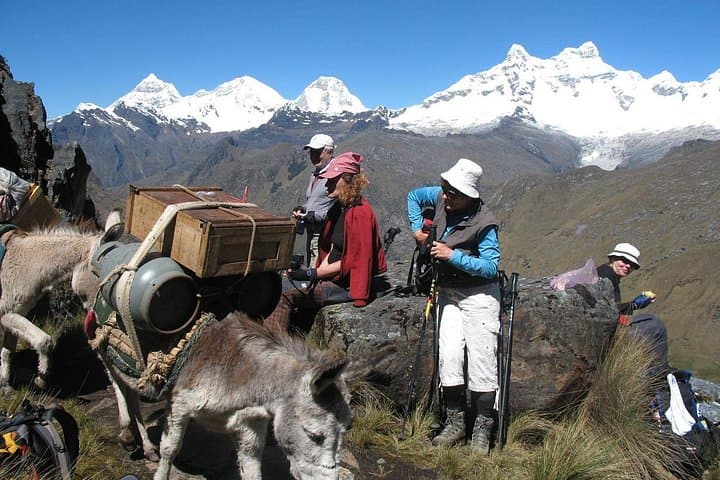
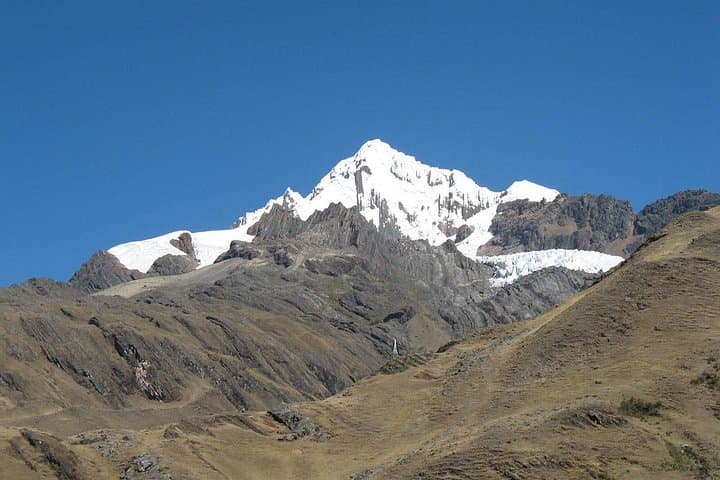
Dawn in the Callejón de Huaylas smells of wood smoke and coffee; the bus grinds north from Huaraz and the peaks of the Cordillera Blanca begin to rise like a row of weathered teeth. On day two you step at 4,000 m from Cebollapampa and climb toward Laguna 69 — a quick, steep slice of alpine blue that wakes your legs and tests your lungs. Over the next ten days the route threads high passes (up to about 4,850 m), remote valleys and campsites under the north face of Alpamayo.
Dawn in the Callejón de Huaylas smells of wood smoke and coffee; the bus grinds north from Huaraz and the peaks of the Cordillera Blanca begin to rise like a row of weathered teeth. On day two you step at 4,000 m from Cebollapampa and climb toward Laguna 69 — a quick, steep slice of alpine blue that wakes your legs and tests your lungs. Over the next ten days the route threads high passes (up to about 4,850 m), remote valleys and campsites under the north face of Alpamayo.
Geology here is raw: glacially carved cirques, moraine ridges and steep granite faces shaped by repeated ice advance and retreat. The human story is equally present — Quechua-speaking communities have grazed these slopes for centuries, and many villages still maintain traditional weaving and pastoral lifeways. This specific program embeds community support: a day is set aside to bring donated goods directly to a selected village to ensure contributions reach real people.
Expect long trekking days (6–9+ hours), rocky trails, grassy high camps (3,800–4,300 m) and cold nights in two-person tents. The toughest stretches include Yanacon and Caracara passes; altitude, not technical terrain, is the primary challenge. Practical guidance: build in days to acclimatize, carry layered clothing for sun and near-freezing nights, use trekking poles to protect knees on long descents, and plan for variable weather—sun one hour, hail the next. Water sources are present but treat or filter; pack high-calorie snacks and prioritize hydration. This is a demanding but highly rewarding high‑altitude circuit for prepared trekkers who want both classic alpine scenery and direct cultural impact.