THE ADVENTURE COLLECTIVE® · Independent discovery and booking for outdoor travel

Drive from Munich for a full day of Alpine skiing in Garmisch‑Partenkirchen, home to the Kandahar World Cup run and cable‑car access to high‑mountain terrain. Rentals, lift information, and a timed pickup make this a seamless day trip for intermediate skiers.
Drive from Munich for a full day of Alpine skiing in Garmisch‑Partenkirchen, home to the Kandahar World Cup run and cable‑car access to high‑mountain terrain. Rentals, lift information, and a timed pickup make this a seamless day trip for intermediate skiers.
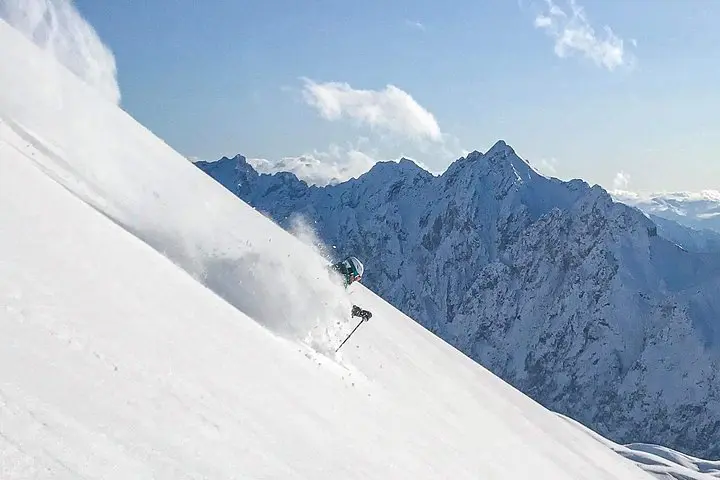
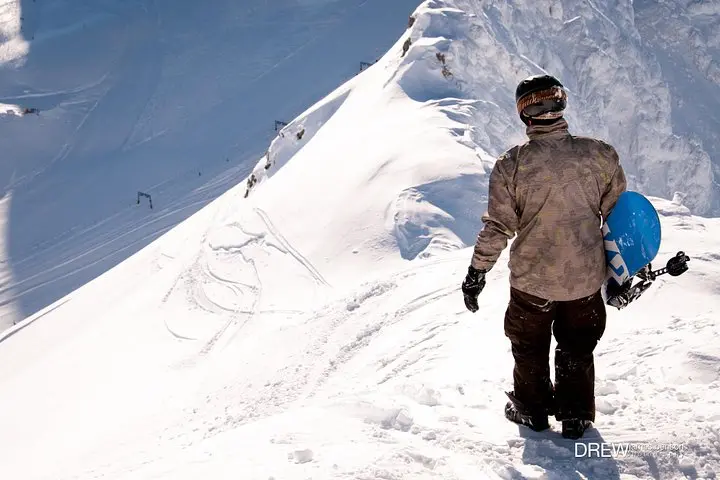
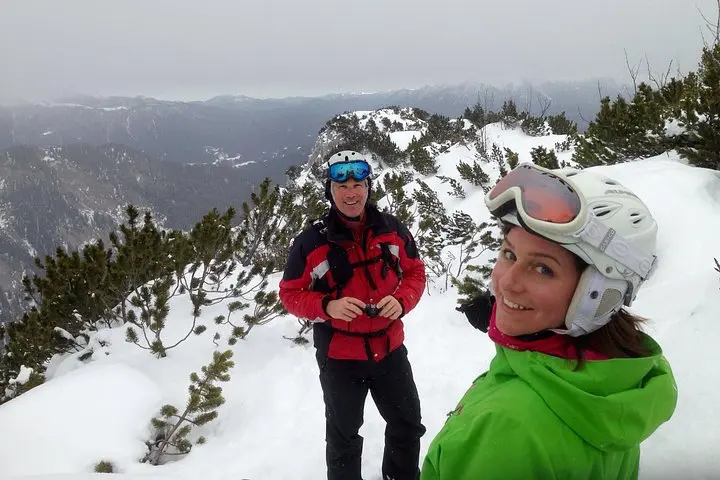
A cold Mercedes V‑Class glides out of Munich at dawn, the city shrinking behind you as Bavarian foothills rise and the air sharpens. An hour later Garmisch‑Partenkirchen appears — a town split by history and slope access — and cable cars lift you toward snowbound ridgelines where the Kandahar World Cup run cuts steep and uncompromising into the mountains.
Verified experiences and guided adventures in the surrounding area.
Operated by all things garmisch, tours and outdoor recreation · Garmisch-Partenkirchen, Bavaria
A cold Mercedes V‑Class glides out of Munich at dawn, the city shrinking behind you as Bavarian foothills rise and the air sharpens. An hour later Garmisch‑Partenkirchen appears — a town split by history and slope access — and cable cars lift you toward snowbound ridgelines where the Kandahar World Cup run cuts steep and uncompromising into the mountains.
Garmisch hosted the 1936 Winter Olympics; the valley sits beneath the Zugspitze massif (Germany’s highest peak, 2,962 m), carved from Wetterstein limestone and glacial action. Ski culture here is practical and competitive: lift networks, rental shops, and World Cup infrastructure mix with village beer halls and alpine traditions. Local guides know which lifts open first, where sun hits early, and which groomers hold corduroy late into the afternoon.
Expect a full ski day: pickup in Munich at 8:00 a.m., rental gear available on arrival, lift ticket purchases at the cable car station (tickets frequently under €60), and a driver waiting at 3:30 p.m. for gear return and a short transfer to Garmisch train station. If you need instruction, request a coach 48 hours ahead. Hydration, layered waterproof shells, and sun protection matter — the mountain’s glare and wind can change fast. Beginner skiers will find gentle pistes; experienced riders can test steep pitches on marked runs. Trains run hourly back to Munich (about 1 hour 20 minutes), often with a complimentary cocktail for the return. This trip balances convenience and mountain time: a compact, intense day on German alpine snow with easy logistics and access to one of Europe’s most storied ski venues.
No — rentals are available and gentle beginner slopes exist, but the day best suits skiers with at least basic to intermediate ability; lessons can be arranged if requested 48 hours in advance.
Lift tickets are not included; the driver will show you the ticket office and local prices are often under €60 for a day pass.
Driving time is about one hour each way; the itinerary schedules pickup at 8:00 a.m. and a meeting with the driver at 3:30 p.m. for return logistics.
Yes — the driver brings you to a local rental shop that carries skis, boots, poles, and snowboards; reserve specific sizes or high‑performance gear in advance.
all things garmisch, tours and outdoor recreation operates guided outdoor trips and adventures with an emphasis on safety, stewardship, and memorable experiences.

A cold Mercedes V‑Class glides out of Munich at dawn, the city shrinking behind you as Bavarian foothills rise and the air sharpens. An hour later Garmisch‑Partenkirchen appears — a town split by history and slope access — and cable cars lift you toward snowbound ridgelines where the Kandahar World Cup run cuts steep and uncompromising into the mountains.
A cold Mercedes V‑Class glides out of Munich at dawn, the city shrinking behind you as Bavarian foothills rise and the air sharpens. An hour later Garmisch‑Partenkirchen appears — a town split by history and slope access — and cable cars lift you toward snowbound ridgelines where the Kandahar World Cup run cuts steep and uncompromising into the mountains.
Garmisch hosted the 1936 Winter Olympics; the valley sits beneath the Zugspitze massif (Germany’s highest peak, 2,962 m), carved from Wetterstein limestone and glacial action. Ski culture here is practical and competitive: lift networks, rental shops, and World Cup infrastructure mix with village beer halls and alpine traditions. Local guides know which lifts open first, where sun hits early, and which groomers hold corduroy late into the afternoon.
Expect a full ski day: pickup in Munich at 8:00 a.m., rental gear available on arrival, lift ticket purchases at the cable car station (tickets frequently under €60), and a driver waiting at 3:30 p.m. for gear return and a short transfer to Garmisch train station. If you need instruction, request a coach 48 hours ahead. Hydration, layered waterproof shells, and sun protection matter — the mountain’s glare and wind can change fast. Beginner skiers will find gentle pistes; experienced riders can test steep pitches on marked runs. Trains run hourly back to Munich (about 1 hour 20 minutes), often with a complimentary cocktail for the return. This trip balances convenience and mountain time: a compact, intense day on German alpine snow with easy logistics and access to one of Europe’s most storied ski venues.