THE ADVENTURE COLLECTIVE® · Independent discovery and booking for outdoor travel

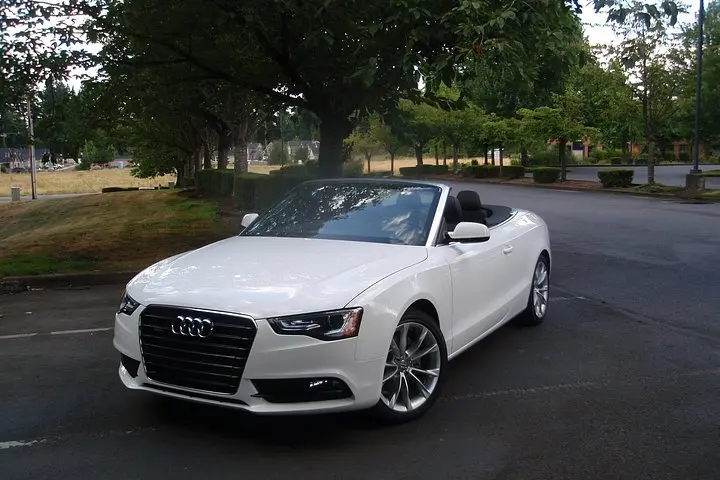
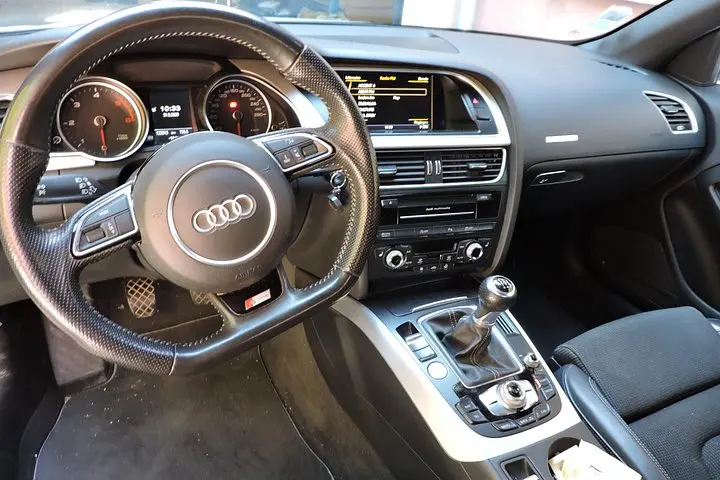
Slide the top down and trace the Alsace Wine Route from Colmar in an Audi A5 Cabriolet—through Eguisheim, Riquewihr, Kaysersberg and up to Château du Haut-Koenigsbourg. This 4–5 hour customizable drive pairs short village walks and castle views with winery terraces and local tarte flambée.
Slide the top down and trace the Alsace Wine Route from Colmar in an Audi A5 Cabriolet—through Eguisheim, Riquewihr, Kaysersberg and up to Château du Haut-Koenigsbourg. This 4–5 hour customizable drive pairs short village walks and castle views with winery terraces and local tarte flambée.
You ease the soft-top back and the road opens: narrow lanes lined with timber-framed houses slip past as the Vosges foothills push west toward the Rhine. The wind draws the scent of ripening grapes and wood smoke into the cabin; Eguisheim’s concentric streets appear like a storybook staged for your arrival.
Verified experiences and guided adventures in the surrounding area.
Operated by RENCK · Colmar, Grand Est
You ease the soft-top back and the road opens: narrow lanes lined with timber-framed houses slip past as the Vosges foothills push west toward the Rhine. The wind draws the scent of ripening grapes and wood smoke into the cabin; Eguisheim’s concentric streets appear like a storybook staged for your arrival.
The Wine Route is more than postcard scenery. It follows centuries of winemaking shaped by limestone soils and a patchwork of microclimates—sheltered slopes that favor Riesling and Gewürztraminer. Villages such as Riquewihr and Kaysersberg grew where trade routes met viticulture; Haut-Koenigsbourg castle crowns a strategic ridge, its stone offering views across the Alsace plain toward Germany.
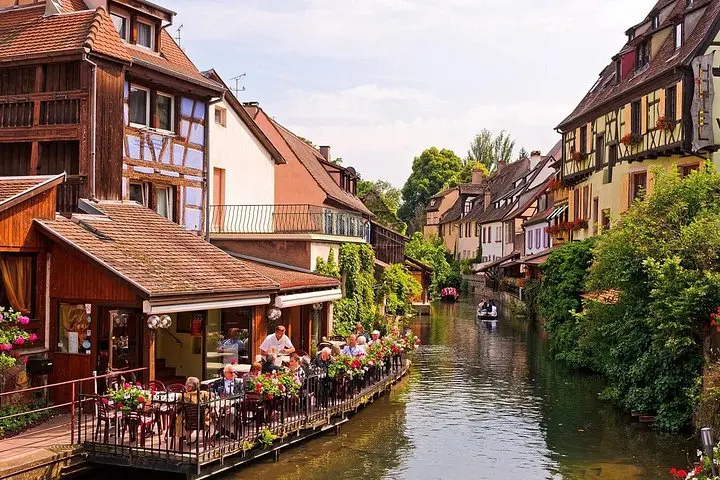
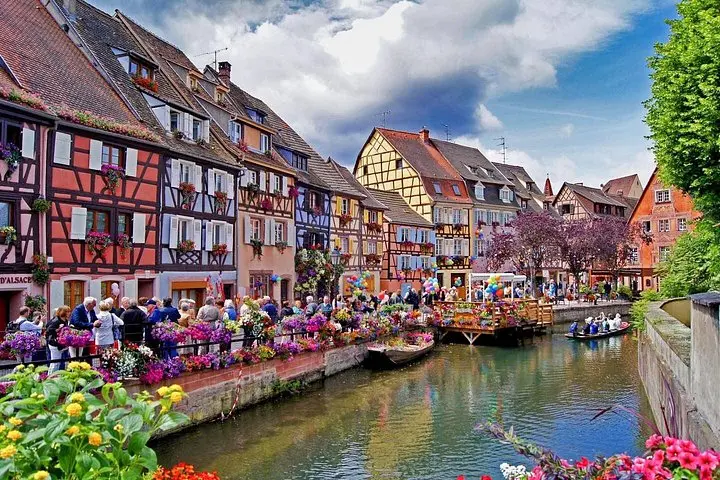
Driving an Audi A5 Cabriolet here makes the landscape participatory: vineyards seem to lean close, the Bruche Valley dares you to pause for a tarte flambée on a sunlit terrace, and Colmar’s Petite Venise channels a quieter pace with canals that tug at slow-footed exploration.
Practical guidance: the route is customizable, but expect a 4–5 hour loop with short walking stops—cobblestones and castle approaches demand comfortable shoes. Peak vineyard traffic is late summer and early autumn; mornings are best for photos and cooler air. Bring a light layer for topside driving, plan for limited on-street parking in historic centers, and book castle entry times if you want to avoid waits. The trip balances effortless motoring with hands-on stops: taste local wines, climb a tower for the panorama, and keep a camera ready for details—a rusted vineyard gate, a stack of age-darkened barrels, a white stork on a rooftop.
Yes—this is a private motorized tour in an Audi; the driver must hold a valid driving license and meet any local age requirements set by the operator.
Tastings vary by itinerary—some stops include or offer tastings but standard bookings often leave wine purchases and paid tastings as optional extras.
Yes—the tour is described as easily customizable to your interests, including additional stops like the Bruche Valley or a terrace lunch.
Yes—logistics note stroller accessibility and that the tour is suitable for a wide range of physical abilities, though some village streets and castle areas have uneven ground.
RENCK operates guided outdoor trips and adventures with an emphasis on safety, stewardship, and memorable experiences.
You ease the soft-top back and the road opens: narrow lanes lined with timber-framed houses slip past as the Vosges foothills push west toward the Rhine. The wind draws the scent of ripening grapes and wood smoke into the cabin; Eguisheim’s concentric streets appear like a storybook staged for your arrival.
You ease the soft-top back and the road opens: narrow lanes lined with timber-framed houses slip past as the Vosges foothills push west toward the Rhine. The wind draws the scent of ripening grapes and wood smoke into the cabin; Eguisheim’s concentric streets appear like a storybook staged for your arrival.
The Wine Route is more than postcard scenery. It follows centuries of winemaking shaped by limestone soils and a patchwork of microclimates—sheltered slopes that favor Riesling and Gewürztraminer. Villages such as Riquewihr and Kaysersberg grew where trade routes met viticulture; Haut-Koenigsbourg castle crowns a strategic ridge, its stone offering views across the Alsace plain toward Germany.
Driving an Audi A5 Cabriolet here makes the landscape participatory: vineyards seem to lean close, the Bruche Valley dares you to pause for a tarte flambée on a sunlit terrace, and Colmar’s Petite Venise channels a quieter pace with canals that tug at slow-footed exploration.
Practical guidance: the route is customizable, but expect a 4–5 hour loop with short walking stops—cobblestones and castle approaches demand comfortable shoes. Peak vineyard traffic is late summer and early autumn; mornings are best for photos and cooler air. Bring a light layer for topside driving, plan for limited on-street parking in historic centers, and book castle entry times if you want to avoid waits. The trip balances effortless motoring with hands-on stops: taste local wines, climb a tower for the panorama, and keep a camera ready for details—a rusted vineyard gate, a stack of age-darkened barrels, a white stork on a rooftop.