THE ADVENTURE COLLECTIVE® · Independent discovery and booking for outdoor travel

A full-day loop from San Pedro de Atacama that links high-altitude volcanic lagoons, the red-rock Piedras Rojas viewpoint, and the flamingo-rich Chaxa lagoon on the Salar de Atacama. Expect long drives, short walks, and striking light for photography.
A full-day loop from San Pedro de Atacama that links high-altitude volcanic lagoons, the red-rock Piedras Rojas viewpoint, and the flamingo-rich Chaxa lagoon on the Salar de Atacama. Expect long drives, short walks, and striking light for photography.
Before the sun clears the Andean rim, an air-conditioned minivan threads out of San Pedro and climbs toward a sky so dry it seems to keep its own light. By midmorning you stand at 4,200 m beside Laguna Miscanti, where volcanic slopes hold mirror-still water and wind dares you to keep your breath slow.
Verified experiences and guided adventures in the surrounding area.
Operated by Anclatourchile · San Pedro de Atacama, Antofagasta Region
Before the sun clears the Andean rim, an air-conditioned minivan threads out of San Pedro and climbs toward a sky so dry it seems to keep its own light. By midmorning you stand at 4,200 m beside Laguna Miscanti, where volcanic slopes hold mirror-still water and wind dares you to keep your breath slow.
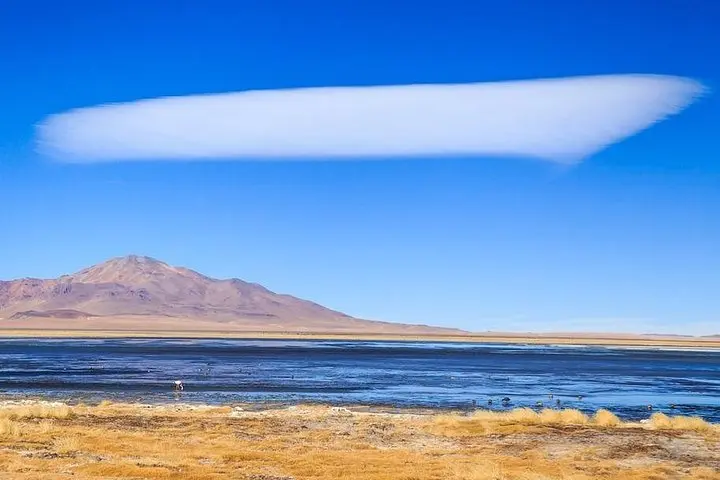
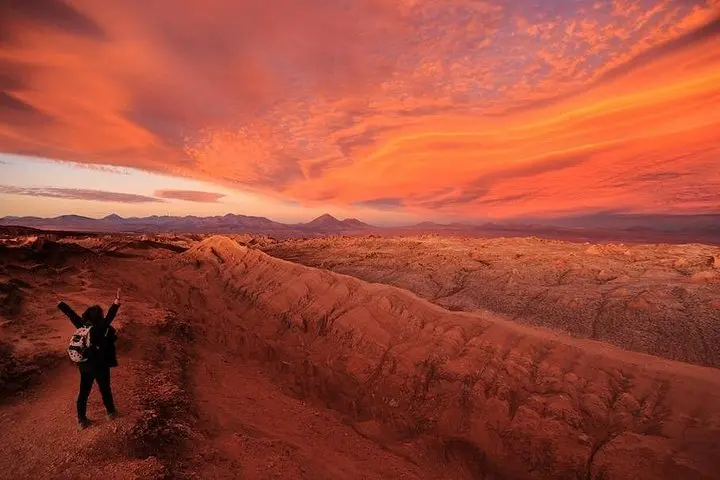
This route reads like the Atacama’s field notes: high-altitude crater-lakes shaped by volcanic eruptions, iron-rich conglomerates at Piedras Rojas that have oxidized to startling red, and the broad white breath of the Salar de Atacama — a salt flat that feeds shallow lagoons and the flamingos that treat them like a cafe.
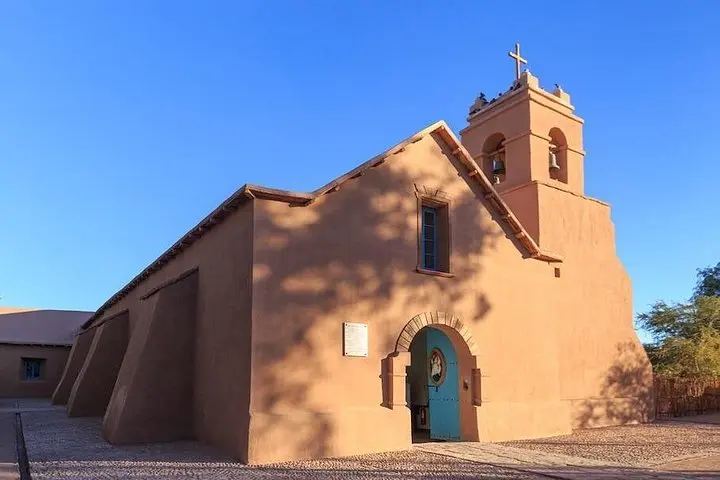
Human traces are older than tourism here. The Atacameño people farmed terraces in Socaire for centuries; Toconao’s bell tower and stonework show colonial-era layering atop pre-Columbian routes. Geology is visible and immediate: volcanic vents, salt crusts, and wind-polished stones tell how fire, water, and time worked the landscape.
Practically: expect long drives with short, easy walks at altitude, a packed lunch, and multiple photo stops. Hydrate before you go, move slowly on approaches, and keep gear for sun, wind, and sudden temperature swings. Guides point out ideal viewing windows for flamingos at Chaxa lagoon and the best angles on Piedras Rojas, so follow their timing for light and wildlife. By late afternoon you’ll roll back into San Pedro with desert dust on your shoes and a clearer sense of how one of the world’s driest places still manages to surprise.
The full-day tour runs about 10 hours; pickup usually begins around 06:30 AM in San Pedro de Atacama.
Yes — Chaxa lagoon regularly hosts three species of flamingos, though sightings depend on season and water levels.
The trip is vehicle-heavy with short, mostly flat walks; it’s generally suitable for families but altitude can affect young children or those with health concerns.
Yes — the tour includes breakfast, snacks, lunch, and transportation in an air-conditioned vehicle, plus a professional guide and driver.
Anclatourchile operates guided outdoor trips and adventures with an emphasis on safety, stewardship, and memorable experiences.
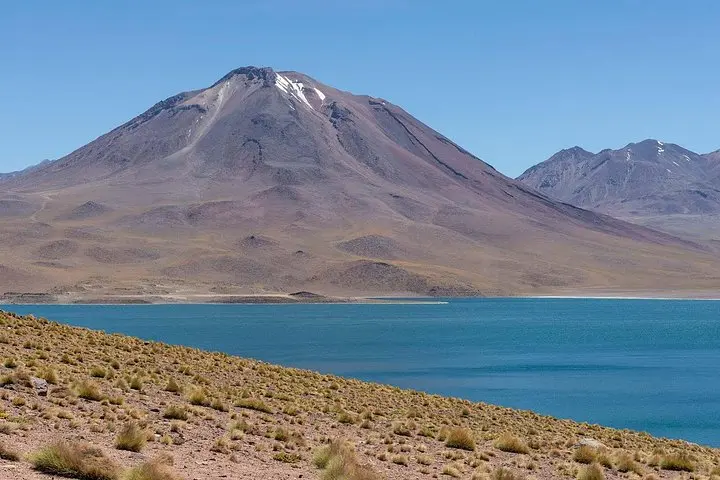
Before the sun clears the Andean rim, an air-conditioned minivan threads out of San Pedro and climbs toward a sky so dry it seems to keep its own light. By midmorning you stand at 4,200 m beside Laguna Miscanti, where volcanic slopes hold mirror-still water and wind dares you to keep your breath slow.
Before the sun clears the Andean rim, an air-conditioned minivan threads out of San Pedro and climbs toward a sky so dry it seems to keep its own light. By midmorning you stand at 4,200 m beside Laguna Miscanti, where volcanic slopes hold mirror-still water and wind dares you to keep your breath slow.
This route reads like the Atacama’s field notes: high-altitude crater-lakes shaped by volcanic eruptions, iron-rich conglomerates at Piedras Rojas that have oxidized to startling red, and the broad white breath of the Salar de Atacama — a salt flat that feeds shallow lagoons and the flamingos that treat them like a cafe.
Human traces are older than tourism here. The Atacameño people farmed terraces in Socaire for centuries; Toconao’s bell tower and stonework show colonial-era layering atop pre-Columbian routes. Geology is visible and immediate: volcanic vents, salt crusts, and wind-polished stones tell how fire, water, and time worked the landscape.
Practically: expect long drives with short, easy walks at altitude, a packed lunch, and multiple photo stops. Hydrate before you go, move slowly on approaches, and keep gear for sun, wind, and sudden temperature swings. Guides point out ideal viewing windows for flamingos at Chaxa lagoon and the best angles on Piedras Rojas, so follow their timing for light and wildlife. By late afternoon you’ll roll back into San Pedro with desert dust on your shoes and a clearer sense of how one of the world’s driest places still manages to surprise.