THE ADVENTURE COLLECTIVE® · Independent discovery and booking for outdoor travel

Walk cobblestone alleys, visit a Roman‑style amphitheater and artisan workshops, and look out over the Chavón River on a five‑hour cultural day trip from Punta Cana.
Walk cobblestone alleys, visit a Roman‑style amphitheater and artisan workshops, and look out over the Chavón River on a five‑hour cultural day trip from Punta Cana.
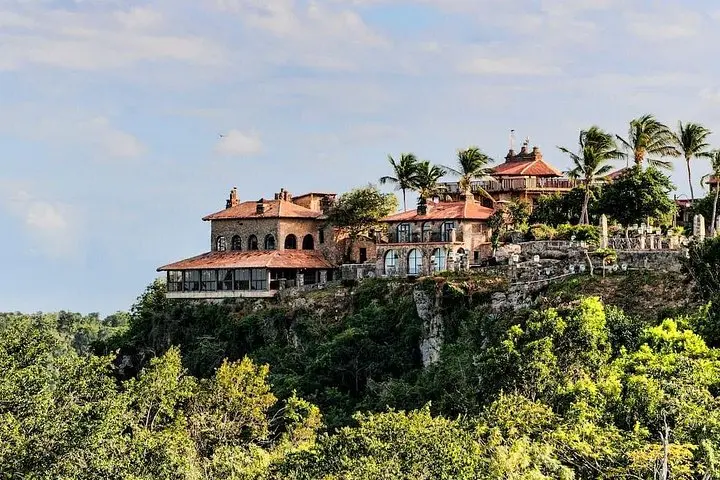
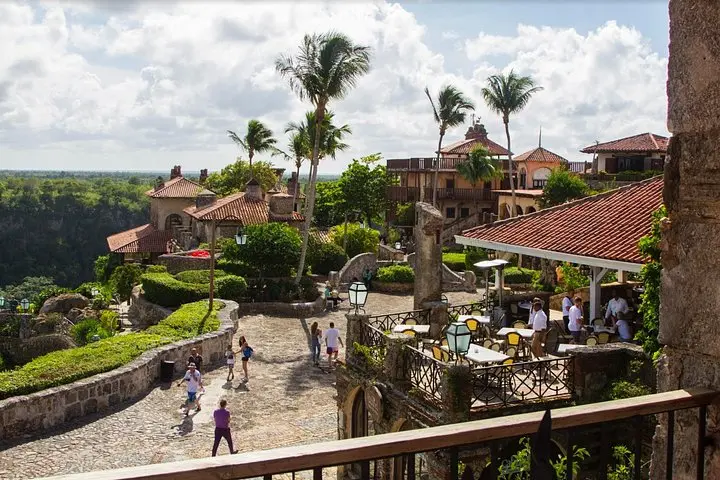
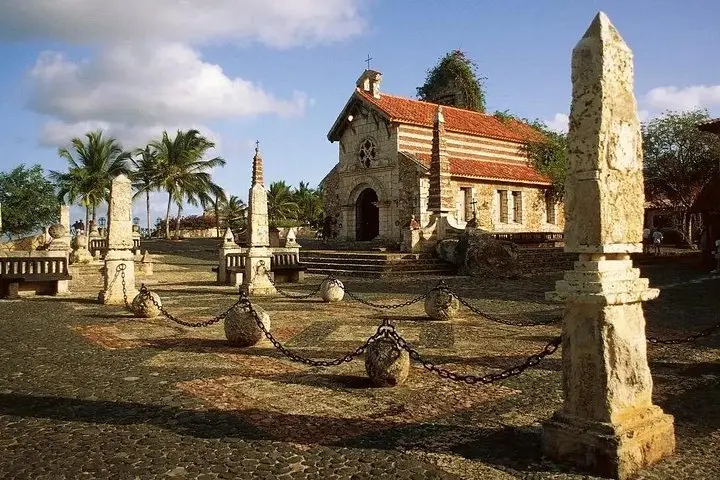
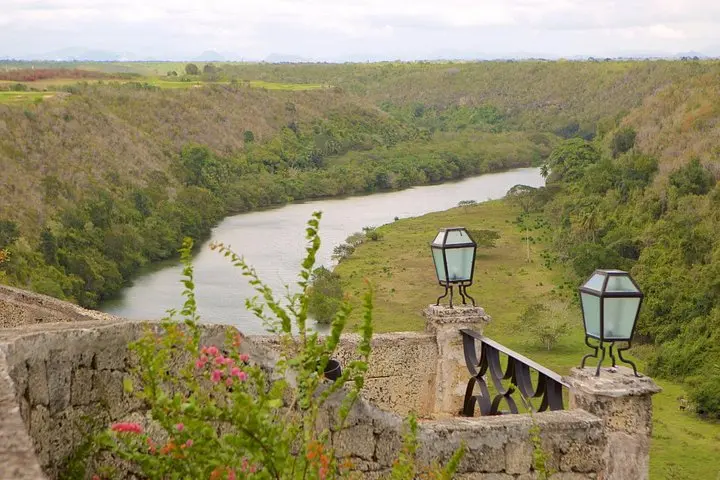
You step from the air‑conditioned van onto a slope of cool cobblestones; the town’s stone facades rise like a stage set carved into the hillside, and the Chavón River waits below, dark and patient. Narrow alleys lead past artisan shops, a Roman‑style amphitheater, and the whitewashed San Estanislao Church — each corner framed by bougainvillea and the constant hush of the river.
Verified experiences and guided adventures in the surrounding area.
Operated by Punta Cana Sunshine Tours & Transfers · La Romana, La Romana Province
You step from the air‑conditioned van onto a slope of cool cobblestones; the town’s stone facades rise like a stage set carved into the hillside, and the Chavón River waits below, dark and patient. Narrow alleys lead past artisan shops, a Roman‑style amphitheater, and the whitewashed San Estanislao Church — each corner framed by bougainvillea and the constant hush of the river.
Altos de Chavón is a reconstructed 16th‑century Mediterranean village conceived in the 1970s by designer Roberto Copa as part of the larger Casa de Campo complex. Built with local stone and Spanish colonial architectural cues, it blends theatrical design with real cultural uses: an archaeological museum, artisan workshops, and a performance amphitheater that has hosted international stars. Geologically, the town sits on limestone above the Chavón gorge; the river carved the valley that gives the site its dramatic drop and vistas.
Expect a culturally rich, low‑impact visit: artisans working in leather and ceramics, guided stops at the church and museum, and sweeping viewpoints over the river and marina. The amphitheater’s stone seats and open sky lend a cinematic feel to evening concerts.
Practical guidance: the visit is largely walking on uneven, stepped cobbles — sturdy shoes and sun protection matter. Tours average five hours including transit; plan for bottled water, a light snack, and cash for small purchases. Wheelchair access is available in main areas, but some alleys and viewpoints require steps. Timing your visit in the morning or late afternoon avoids midday heat and brings softer light for photos.
The experience is typically five hours door‑to‑door, with about 2–2.5 hours of free time in Altos de Chavón.
Main plazas, the church, and some museum areas are wheelchair accessible, though some alleys and viewpoints have steps; check with your operator for specific accommodations.
Yes — cafes and restaurants serve light meals and snacks; bringing a small cash amount is helpful for local vendors.
Yes — the amphitheater hosts scheduled concerts; check the Casa de Campo event calendar and book tickets in advance for popular shows.
Punta Cana Sunshine Tours & Transfers operates guided outdoor trips and adventures with an emphasis on safety, stewardship, and memorable experiences.
You step from the air‑conditioned van onto a slope of cool cobblestones; the town’s stone facades rise like a stage set carved into the hillside, and the Chavón River waits below, dark and patient. Narrow alleys lead past artisan shops, a Roman‑style amphitheater, and the whitewashed San Estanislao Church — each corner framed by bougainvillea and the constant hush of the river.
You step from the air‑conditioned van onto a slope of cool cobblestones; the town’s stone facades rise like a stage set carved into the hillside, and the Chavón River waits below, dark and patient. Narrow alleys lead past artisan shops, a Roman‑style amphitheater, and the whitewashed San Estanislao Church — each corner framed by bougainvillea and the constant hush of the river.
Altos de Chavón is a reconstructed 16th‑century Mediterranean village conceived in the 1970s by designer Roberto Copa as part of the larger Casa de Campo complex. Built with local stone and Spanish colonial architectural cues, it blends theatrical design with real cultural uses: an archaeological museum, artisan workshops, and a performance amphitheater that has hosted international stars. Geologically, the town sits on limestone above the Chavón gorge; the river carved the valley that gives the site its dramatic drop and vistas.
Expect a culturally rich, low‑impact visit: artisans working in leather and ceramics, guided stops at the church and museum, and sweeping viewpoints over the river and marina. The amphitheater’s stone seats and open sky lend a cinematic feel to evening concerts.
Practical guidance: the visit is largely walking on uneven, stepped cobbles — sturdy shoes and sun protection matter. Tours average five hours including transit; plan for bottled water, a light snack, and cash for small purchases. Wheelchair access is available in main areas, but some alleys and viewpoints require steps. Timing your visit in the morning or late afternoon avoids midday heat and brings softer light for photos.