THE ADVENTURE COLLECTIVE® · Independent discovery and booking for outdoor travel

A half‑day trip from Santo Domingo that pairs panoramic views over the Chavón River with museums, an iconic amphitheater, and craft‑filled plazas. Ideal for travelers wanting culture and easy walking with minimal logistics.
A half‑day trip from Santo Domingo that pairs panoramic views over the Chavón River with museums, an iconic amphitheater, and craft‑filled plazas. Ideal for travelers wanting culture and easy walking with minimal logistics.
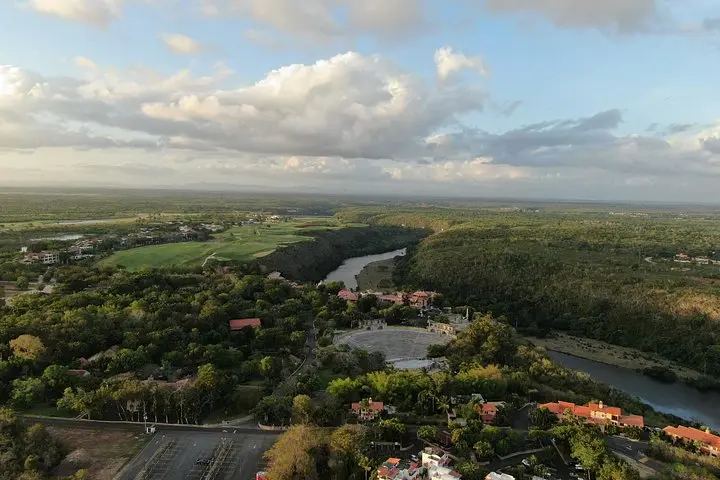
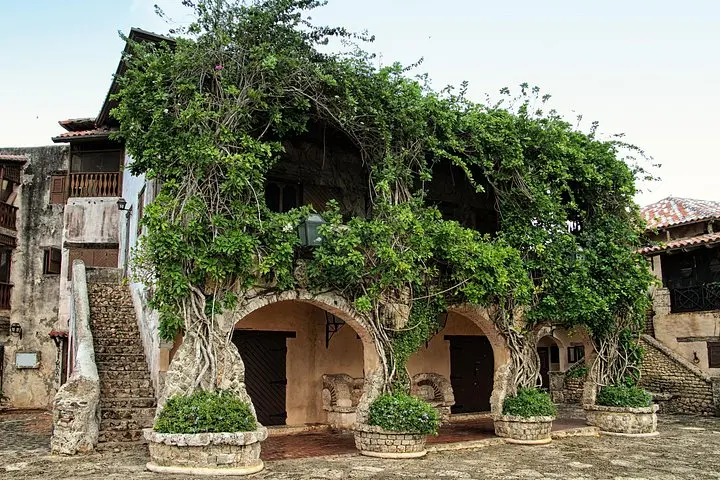
You step onto stone alleys that slope toward a wide bend of the Chavón River; sunlight skims the stucco façades and the air carries the distant hum of the amphitheater. Altos de Chavón feels like a village paused between performance and study — artisans at work, gulls circling the river gorge, and a mirador that makes the valley feel momentarily small.
Verified experiences and guided adventures in the surrounding area.
Operated by MamaJuana Travel · La Romana, La Romana Province
You step onto stone alleys that slope toward a wide bend of the Chavón River; sunlight skims the stucco façades and the air carries the distant hum of the amphitheater. Altos de Chavón feels like a village paused between performance and study — artisans at work, gulls circling the river gorge, and a mirador that makes the valley feel momentarily small.
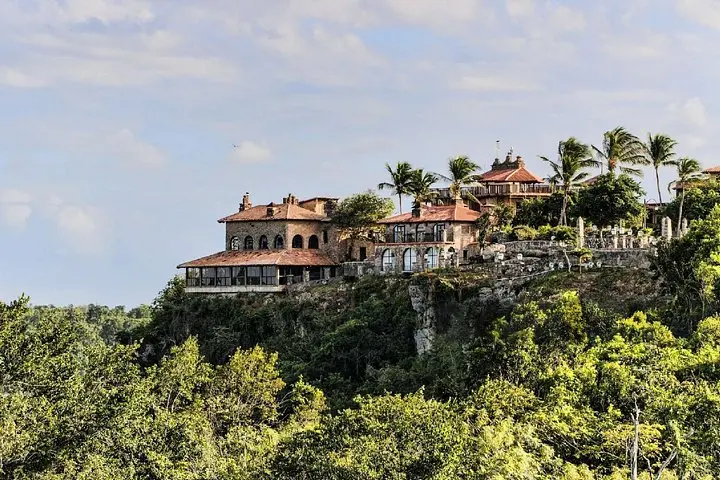
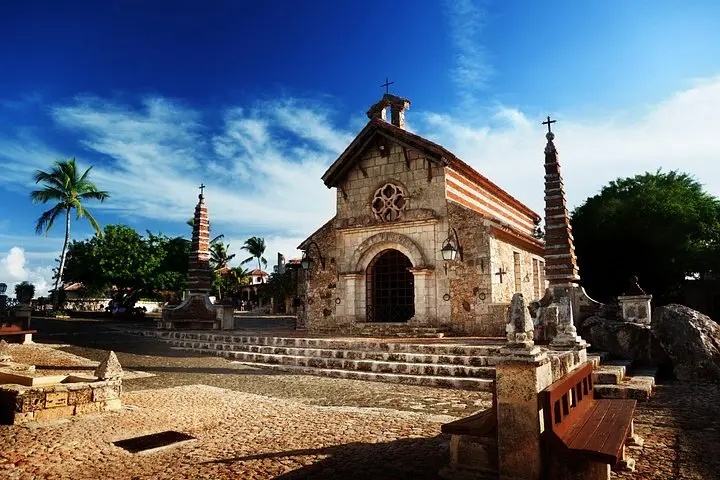
Built in the 1970s as a 16th‑century–style Mediterranean village, Altos de Chavón sits above the Chavón River where limestone and riverine terraces expose the island’s karst geology. The Archaeological Museum preserves Taíno and pre‑Columbian artifacts, while the Amber and Larimar museum explains local gemology and trade. The Church of San Estanislao and the stone amphitheater are cultural anchors; music and art remain central to the village’s identity and to the nearby Altos de Chavón School of Design.
Practical guidance: tours last about 4–5 hours and typically include hotel pickup in an air‑conditioned vehicle and bottled water. Expect cobbled streets and steps — comfortable walking shoes and sun protection are essential. Photography is excellent at El Mirador near the amphitheater; bring small local currency for crafts and tip guides if they enhance your experience. During the wet season, the river can swell and pathways become slick — a light rain layer and steady footwear mitigate that.
This visit balances easy walking with concentrated cultural stops: museums that reward a quiet minute with artifacts, viewpoints that demand a pause, and plazas where local artisans invite curiosity. It’s a compact day that pairs scenery with tangible Dominican history.
Yes — most departures include hotel pickup and drop‑off in an air‑conditioned vehicle; confirm your pickup point at booking.
This tour typically includes access to the Archaeological Museum and the Amber and Larimar museum; check booking details for admission specifics.
Altos de Chavón has uneven cobblestones and many steps; accessibility is limited — contact the operator for exact accessibility accommodations.
A camera or smartphone with charged battery is ideal; the mirador and amphitheater offer the best panoramic shots, and low light in museums may require steady hands.
MamaJuana Travel operates guided outdoor trips and adventures with an emphasis on safety, stewardship, and memorable experiences.
You step onto stone alleys that slope toward a wide bend of the Chavón River; sunlight skims the stucco façades and the air carries the distant hum of the amphitheater. Altos de Chavón feels like a village paused between performance and study — artisans at work, gulls circling the river gorge, and a mirador that makes the valley feel momentarily small.
You step onto stone alleys that slope toward a wide bend of the Chavón River; sunlight skims the stucco façades and the air carries the distant hum of the amphitheater. Altos de Chavón feels like a village paused between performance and study — artisans at work, gulls circling the river gorge, and a mirador that makes the valley feel momentarily small.
Built in the 1970s as a 16th‑century–style Mediterranean village, Altos de Chavón sits above the Chavón River where limestone and riverine terraces expose the island’s karst geology. The Archaeological Museum preserves Taíno and pre‑Columbian artifacts, while the Amber and Larimar museum explains local gemology and trade. The Church of San Estanislao and the stone amphitheater are cultural anchors; music and art remain central to the village’s identity and to the nearby Altos de Chavón School of Design.
Practical guidance: tours last about 4–5 hours and typically include hotel pickup in an air‑conditioned vehicle and bottled water. Expect cobbled streets and steps — comfortable walking shoes and sun protection are essential. Photography is excellent at El Mirador near the amphitheater; bring small local currency for crafts and tip guides if they enhance your experience. During the wet season, the river can swell and pathways become slick — a light rain layer and steady footwear mitigate that.
This visit balances easy walking with concentrated cultural stops: museums that reward a quiet minute with artifacts, viewpoints that demand a pause, and plazas where local artisans invite curiosity. It’s a compact day that pairs scenery with tangible Dominican history.