THE ADVENTURE COLLECTIVE® · Independent discovery and booking for outdoor travel

Walk the plaza where ancient Maya traders once moved jade and feathers, then trade ruins for the colonial waterfront of Belize City. This half-day tour pairs easy archaeology with on-the-ground cultural insights and practical tips for timing, gear, and accessibility.
Walk the plaza where ancient Maya traders once moved jade and feathers, then trade ruins for the colonial waterfront of Belize City. This half-day tour pairs easy archaeology with on-the-ground cultural insights and practical tips for timing, gear, and accessibility.
You step off the minivan into heat and hum — birds checking your boots, palms shading the trail like slow fans. The plaza at Altun Ha opens before you: low stone platforms, the jagged silhouette of the Temple of the Masonry Altars, and the same red clay paths the Maya once walked.
Verified experiences and guided adventures in the surrounding area.
Operated by Belize Fun Tours · Belize City, Belize District
You step off the minivan into heat and hum — birds checking your boots, palms shading the trail like slow fans. The plaza at Altun Ha opens before you: low stone platforms, the jagged silhouette of the Temple of the Masonry Altars, and the same red clay paths the Maya once walked.
Altun Ha — “Rockstone Pond” — rose between roughly 200–900 AD as a trade and ceremonial center. Archaeologists uncovered jade ornaments, including the famous “Sun God” jade head, linking this site to long-distance trade in jade and marine goods. The low karst landscape channels seasonal runoff; limestone bedrock shapes sinkholes and the shallow ponds that sustained ancient agriculture.
Later, Belize City provides a strikingly different lens: colonial-era buildings, the Queen’s Square clock tower, and the swinging pedestrian bridge over the Haulover Creek reveal British colonial layers and modern Belizean life. Local markets sell cassava, fry jacks and freshly caught snapper — foods shaped by coast and river.
Practical guidance: tours typically run about 4–5 hours with hotel pickup in air-conditioned vans. Expect uneven packed-earth paths and some low steps; wear sturdy shoes and sun protection. Bring insect repellent, refillable water, and a light rain layer during Belize’s wet season. Photography is allowed at most spots but respect conservation ropes and avoid climbing active restorations.
Timing a morning visit reduces midday heat and increases bird activity. The combination of an accessible archaeological site and a compact city tour makes this an ideal half-day outing for first-time visitors seeking history, culture, and an introduction to Belize’s coastal lowlands.
The full excursion runs about 4–5 hours, typically including hotel pickup and round-trip shared transfer.
The site is generally accessible via packed-earth paths; however, there are some low steps and uneven ground — not recommended for those with serious spinal issues.
Admission to Altun Ha and meals listed in the itinerary are included; confirm any dietary requirements at booking.
Yes — cruise passengers can book but must provide ship name and disembarkation times; the operator warns that missed reboarding is non-refundable.
Belize Fun Tours operates guided outdoor trips and adventures with an emphasis on safety, stewardship, and memorable experiences.
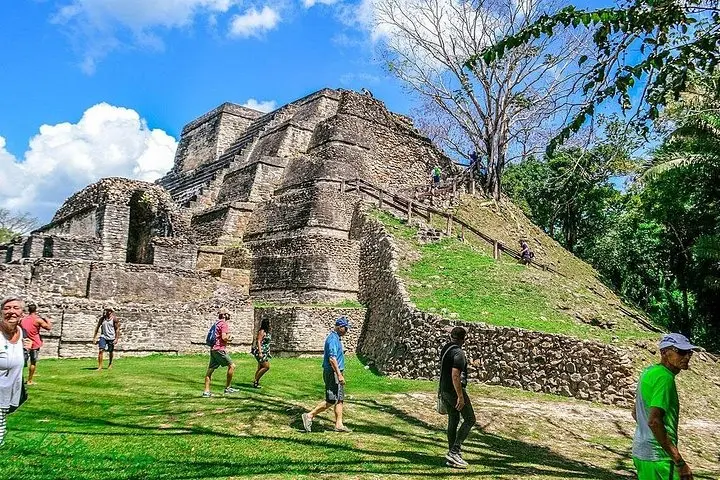
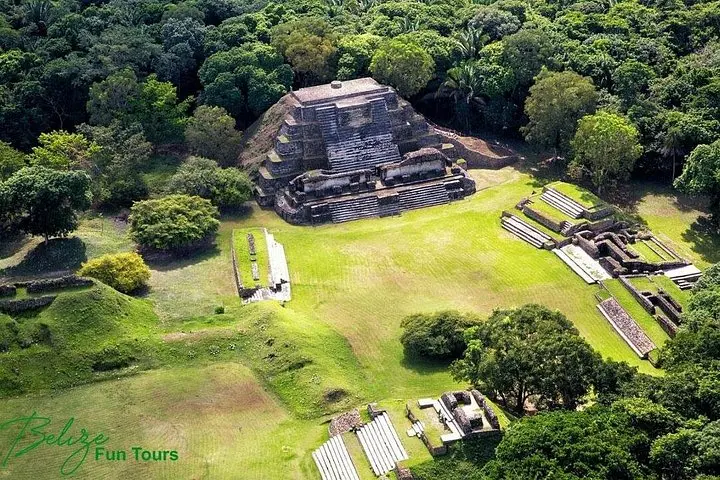
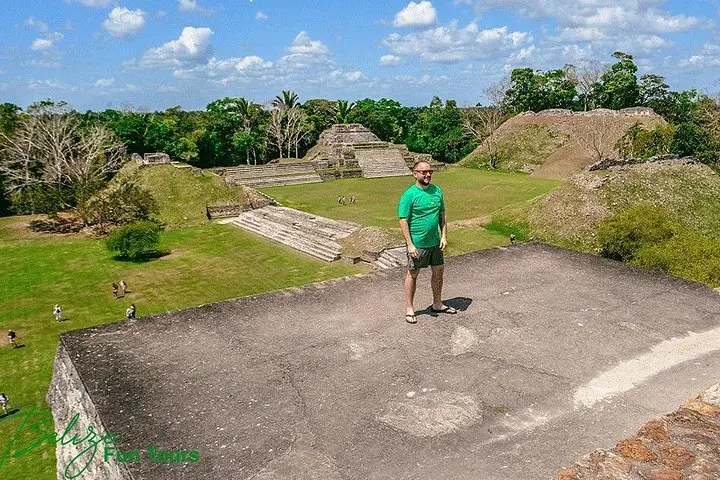
You step off the minivan into heat and hum — birds checking your boots, palms shading the trail like slow fans. The plaza at Altun Ha opens before you: low stone platforms, the jagged silhouette of the Temple of the Masonry Altars, and the same red clay paths the Maya once walked.
You step off the minivan into heat and hum — birds checking your boots, palms shading the trail like slow fans. The plaza at Altun Ha opens before you: low stone platforms, the jagged silhouette of the Temple of the Masonry Altars, and the same red clay paths the Maya once walked.
Altun Ha — “Rockstone Pond” — rose between roughly 200–900 AD as a trade and ceremonial center. Archaeologists uncovered jade ornaments, including the famous “Sun God” jade head, linking this site to long-distance trade in jade and marine goods. The low karst landscape channels seasonal runoff; limestone bedrock shapes sinkholes and the shallow ponds that sustained ancient agriculture.
Later, Belize City provides a strikingly different lens: colonial-era buildings, the Queen’s Square clock tower, and the swinging pedestrian bridge over the Haulover Creek reveal British colonial layers and modern Belizean life. Local markets sell cassava, fry jacks and freshly caught snapper — foods shaped by coast and river.
Practical guidance: tours typically run about 4–5 hours with hotel pickup in air-conditioned vans. Expect uneven packed-earth paths and some low steps; wear sturdy shoes and sun protection. Bring insect repellent, refillable water, and a light rain layer during Belize’s wet season. Photography is allowed at most spots but respect conservation ropes and avoid climbing active restorations.
Timing a morning visit reduces midday heat and increases bird activity. The combination of an accessible archaeological site and a compact city tour makes this an ideal half-day outing for first-time visitors seeking history, culture, and an introduction to Belize’s coastal lowlands.