THE ADVENTURE COLLECTIVE® · Independent discovery and booking for outdoor travel

Spend two days exploring Altyn Emel’s painted Aktau ridges and the eerie Singing Dune. This compact tour pairs dramatic geology with local Kazakh hospitality and a chance to hear sand sing beneath the wind.
Spend two days exploring Altyn Emel’s painted Aktau ridges and the eerie Singing Dune. This compact tour pairs dramatic geology with local Kazakh hospitality and a chance to hear sand sing beneath the wind.
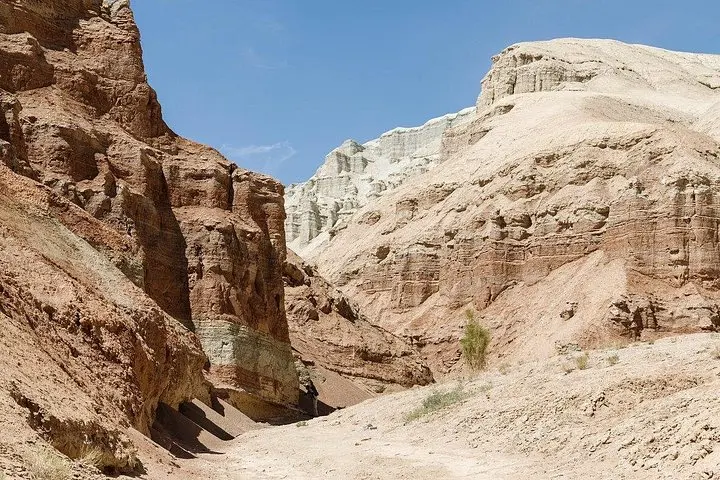
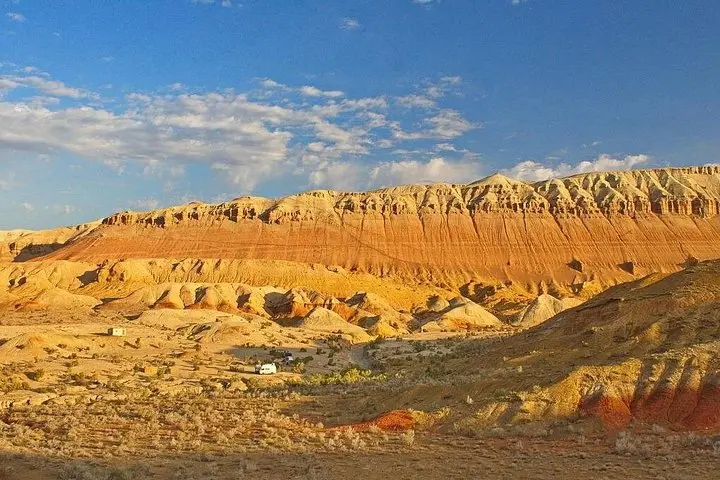
Night on the steppe opens like a cool page; by morning the guest‑house stove still hums as the minivan pulls away toward a strip of mountains that look painted rather than formed. The Aktau ridges rise pale and banded—ragged domes and towers of ochre, rose and white—a raw outdoor geology museum where wind and erosion carve new sculptures each season.
Verified experiences and guided adventures in the surrounding area.
Operated by Explore Kazakhstan · Almaty, Almaty Region
Night on the steppe opens like a cool page; by morning the guest‑house stove still hums as the minivan pulls away toward a strip of mountains that look painted rather than formed. The Aktau ridges rise pale and banded—ragged domes and towers of ochre, rose and white—a raw outdoor geology museum where wind and erosion carve new sculptures each season.
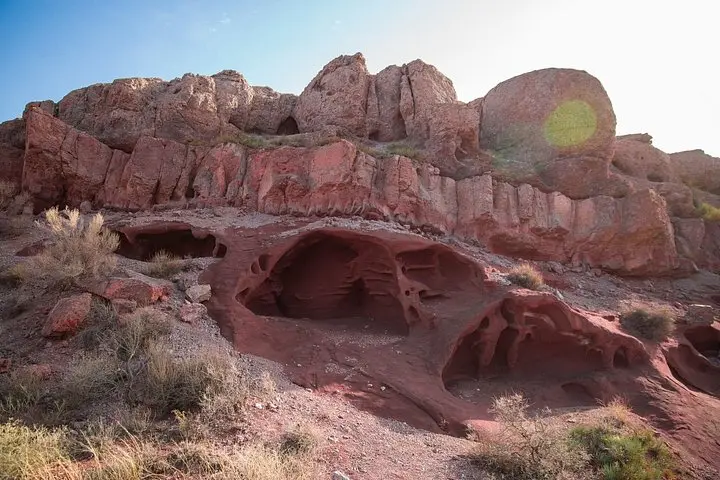
These limestone badlands, called Aktau (literally “White Mountains”), reveal layers of ancient seabed and volcanic ash. Nearby Katutau’s frozen lava spires speak of violent eruptions that shaped this harsh landscape. The park itself was designated to protect these unique formations and the steppe species that depend on them; local Kazakh families still cook plov and host guests, keeping traditions rooted in wide, open country.
On day two the dune waits: a broad, singing barkhan that moans under a heavy gust. Sand grains rubbing together can emit notes from a whisper to an organ‑like roar—an acoustic trick of dry, well‑sorted sand and steep slipfaces. Expect soft, hot sand underfoot, sudden gusts, and panoramic silence broken by the dune’s song.
Practical guidance: plan for long drives and uneven walking, carry 3+ liters of water, sun protection and sturdy shoes for shale and sand. Early morning or late afternoon visits offer cooler temperatures and stronger light on the banded strata. Respect fragile surfaces—stay on trails where marked—and leave campfire and littering to others. This short, two‑day circuit pairs geological spectacle with a straightforward cultural exchange: basic guest‑house lodging, Kazakh meals, and a close look at desert processes that keep moving and changing the land beneath your boots.
Expect a multi‑hour drive (roughly 3–4 hours each way depending on the route and conditions); itineraries usually include transport in an air‑conditioned vehicle.
Yes—visitors may climb parts of the dune, but avoid steep slipfaces and stick to stable routes to preserve the sand’s structure.
Yes; this tour includes an overnight stay in a local guest house with basic amenities and family meals.
The tour is advertised as suitable for all fitness levels, but walking on sand and uneven ground can be challenging—discuss mobility needs with the operator in advance.
Explore Kazakhstan operates guided outdoor trips and adventures with an emphasis on safety, stewardship, and memorable experiences.
Night on the steppe opens like a cool page; by morning the guest‑house stove still hums as the minivan pulls away toward a strip of mountains that look painted rather than formed. The Aktau ridges rise pale and banded—ragged domes and towers of ochre, rose and white—a raw outdoor geology museum where wind and erosion carve new sculptures each season.
Night on the steppe opens like a cool page; by morning the guest‑house stove still hums as the minivan pulls away toward a strip of mountains that look painted rather than formed. The Aktau ridges rise pale and banded—ragged domes and towers of ochre, rose and white—a raw outdoor geology museum where wind and erosion carve new sculptures each season.
These limestone badlands, called Aktau (literally “White Mountains”), reveal layers of ancient seabed and volcanic ash. Nearby Katutau’s frozen lava spires speak of violent eruptions that shaped this harsh landscape. The park itself was designated to protect these unique formations and the steppe species that depend on them; local Kazakh families still cook plov and host guests, keeping traditions rooted in wide, open country.
On day two the dune waits: a broad, singing barkhan that moans under a heavy gust. Sand grains rubbing together can emit notes from a whisper to an organ‑like roar—an acoustic trick of dry, well‑sorted sand and steep slipfaces. Expect soft, hot sand underfoot, sudden gusts, and panoramic silence broken by the dune’s song.
Practical guidance: plan for long drives and uneven walking, carry 3+ liters of water, sun protection and sturdy shoes for shale and sand. Early morning or late afternoon visits offer cooler temperatures and stronger light on the banded strata. Respect fragile surfaces—stay on trails where marked—and leave campfire and littering to others. This short, two‑day circuit pairs geological spectacle with a straightforward cultural exchange: basic guest‑house lodging, Kazakh meals, and a close look at desert processes that keep moving and changing the land beneath your boots.