THE ADVENTURE COLLECTIVE® · Independent discovery and booking for outdoor travel

A 13-day high-altitude trek from Kathmandu to Ama Dablam Base Camp that pairs steep Himalayan terrain with Sherpa culture. Expect long days, teahouse nights, and dramatic ridgelines that demand careful acclimatization and solid gear.
A 13-day high-altitude trek from Kathmandu to Ama Dablam Base Camp that pairs steep Himalayan terrain with Sherpa culture. Expect long days, teahouse nights, and dramatic ridgelines that demand careful acclimatization and solid gear.
The first breath of the Ama Dablam trek comes at Lukla airstrip — wind and prayer flags snapping as planes thread the valley — and it only deepens as the trail climbs through rhododendron forests toward Namche Bazaar. Ama Dablam itself rises like a sculpted wall; its hanging glaciers gleam and the ridge dares you forward as sherpa villages offer warm tea and carved mani stones.
Verified experiences and guided adventures in the surrounding area.
Operated by Alpine Luxury Treks Pvt Ltd · Lukla, Province No. 1
The first breath of the Ama Dablam trek comes at Lukla airstrip — wind and prayer flags snapping as planes thread the valley — and it only deepens as the trail climbs through rhododendron forests toward Namche Bazaar. Ama Dablam itself rises like a sculpted wall; its hanging glaciers gleam and the ridge dares you forward as sherpa villages offer warm tea and carved mani stones.
This route threads the heart of Solu-Khumbu, a landscape carved by young, steep Himalayan geology and active glaciation. Centuries of Sherpa culture line the path: stone chortens, prayer wheels, and the chant-filled Tengboche Monastery speak to a living mountaineering history. Geologically, the trail follows river-cut valleys with boulder fields and moraine ridges that mark recent ice movement.
Practically, expect a 13-day itinerary with nights in teahouses, a highest working altitude near 4,650 m at Ama Dablam base camp, and daily walking blocks of 3–8 hours. Acclimatization days in Namche and timed climbs to higher sleeping elevations reduce risk of altitude illness. Flights into Lukla are weather-dependent — plan buffer days in Kathmandu.
Gear choices and pacing matter: solid mountaineering boots, layered insulation, and reliable water treatment keep you moving and comfortable. Food at teahouses is basic but hearty; porters and guides handle loads but fitness levels must be high for sustained uphill gains and rocky, sometimes icy terrain.
The trek is equal parts mountain theatre and cultural immersion: expect cold nights, dramatic dawn light on jagged ridges, and the attentive hospitality of Sherpa communities — all of it demanding respect, preparation, and steady legs.
The trek is challenging due to daily elevation gain and high altitude; trekkers should be in excellent physical condition and plan acclimatization days.
Yes — TIMS and local permits are required for trekking in Solu-Khumbu and are typically included by reputable operators.
Pre-monsoon (spring) and post-monsoon (fall) offer the best combination of stable weather and visibility.
Yes, the itinerary uses teahouses in villages along the route, though amenities become more basic at higher elevations.
Alpine Luxury Treks Pvt Ltd operates guided outdoor trips and adventures with an emphasis on safety, stewardship, and memorable experiences.
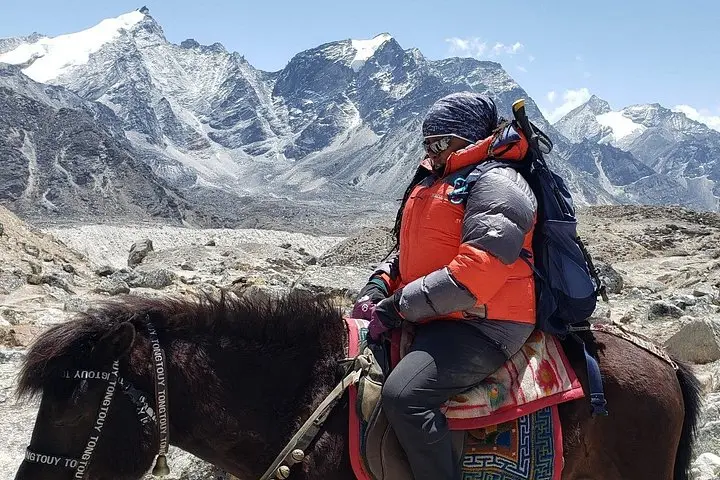
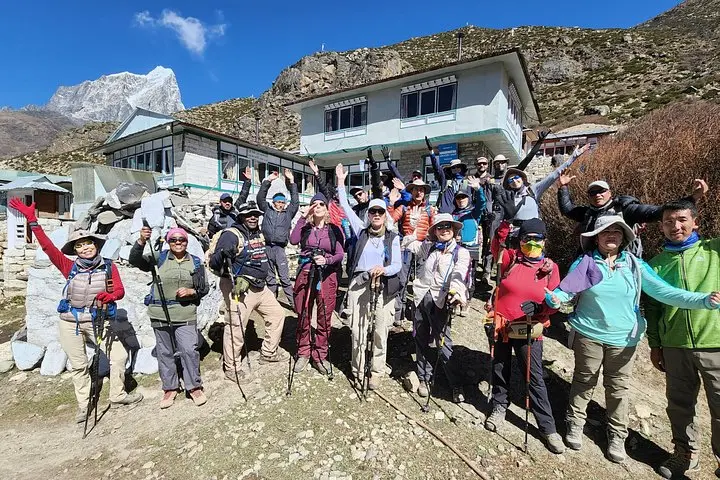
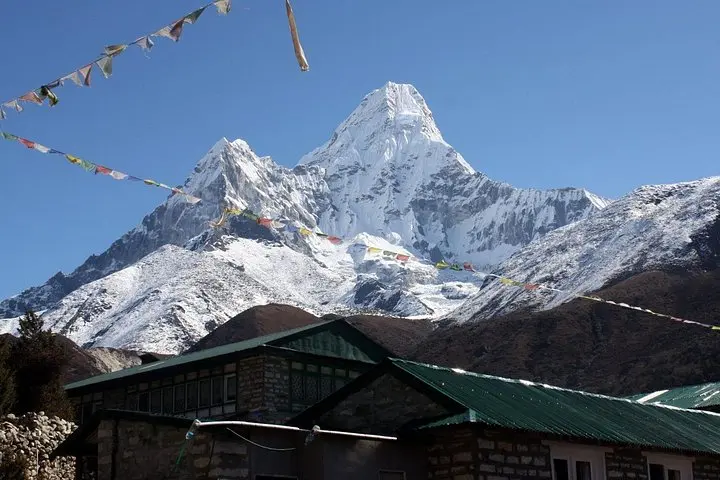
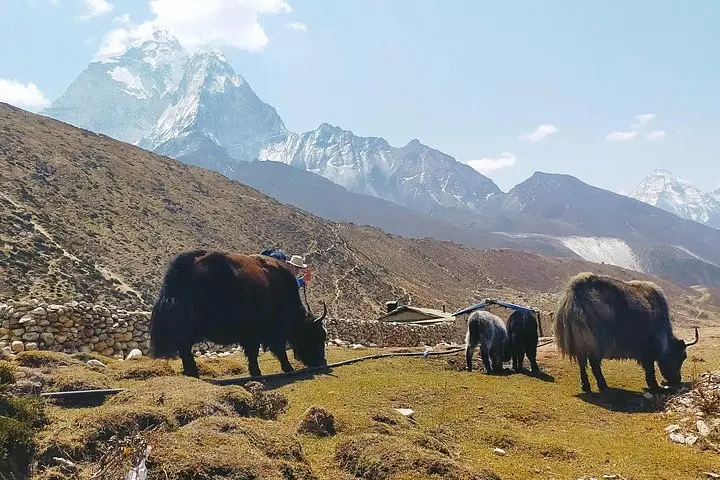
The first breath of the Ama Dablam trek comes at Lukla airstrip — wind and prayer flags snapping as planes thread the valley — and it only deepens as the trail climbs through rhododendron forests toward Namche Bazaar. Ama Dablam itself rises like a sculpted wall; its hanging glaciers gleam and the ridge dares you forward as sherpa villages offer warm tea and carved mani stones.
The first breath of the Ama Dablam trek comes at Lukla airstrip — wind and prayer flags snapping as planes thread the valley — and it only deepens as the trail climbs through rhododendron forests toward Namche Bazaar. Ama Dablam itself rises like a sculpted wall; its hanging glaciers gleam and the ridge dares you forward as sherpa villages offer warm tea and carved mani stones.
This route threads the heart of Solu-Khumbu, a landscape carved by young, steep Himalayan geology and active glaciation. Centuries of Sherpa culture line the path: stone chortens, prayer wheels, and the chant-filled Tengboche Monastery speak to a living mountaineering history. Geologically, the trail follows river-cut valleys with boulder fields and moraine ridges that mark recent ice movement.
Practically, expect a 13-day itinerary with nights in teahouses, a highest working altitude near 4,650 m at Ama Dablam base camp, and daily walking blocks of 3–8 hours. Acclimatization days in Namche and timed climbs to higher sleeping elevations reduce risk of altitude illness. Flights into Lukla are weather-dependent — plan buffer days in Kathmandu.
Gear choices and pacing matter: solid mountaineering boots, layered insulation, and reliable water treatment keep you moving and comfortable. Food at teahouses is basic but hearty; porters and guides handle loads but fitness levels must be high for sustained uphill gains and rocky, sometimes icy terrain.
The trek is equal parts mountain theatre and cultural immersion: expect cold nights, dramatic dawn light on jagged ridges, and the attentive hospitality of Sherpa communities — all of it demanding respect, preparation, and steady legs.