THE ADVENTURE COLLECTIVE® · Independent discovery and booking for outdoor travel

Experience the adrenaline of high-speed boat racing at Amagasaki Boat Race Stadium, then unwind in a retro izakaya among local regulars. A compact, 3-hour tour blends hands-on betting basics with cultural context and easy public-transit access.
Experience the adrenaline of high-speed boat racing at Amagasaki Boat Race Stadium, then unwind in a retro izakaya among local regulars. A compact, 3-hour tour blends hands-on betting basics with cultural context and easy public-transit access.
The roar arrives before the boats come into view—an arena of bright helmets, polished hulls and the sharp spray of water that punctures the humid Kansai air.
Verified experiences and guided adventures in the surrounding area.
Operated by DeepExperience · Amagasaki, Hyogo
The roar arrives before the boats come into view—an arena of bright helmets, polished hulls and the sharp spray of water that punctures the humid Kansai air.
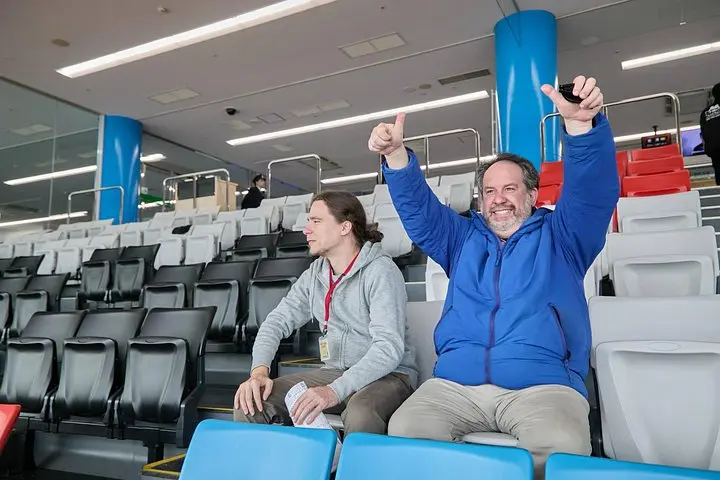
At Amagasaki Boat Race Stadium you stand shoulder-to-shoulder with locals as hydroplanes slice across a narrow course at speeds up to 80 km/h. Your guide hands you a ¥500 betting token and walks you through the simple markers and odds; the language of the crowd—cheers, gasps, and synchronized clapping—feels like its own dialect.
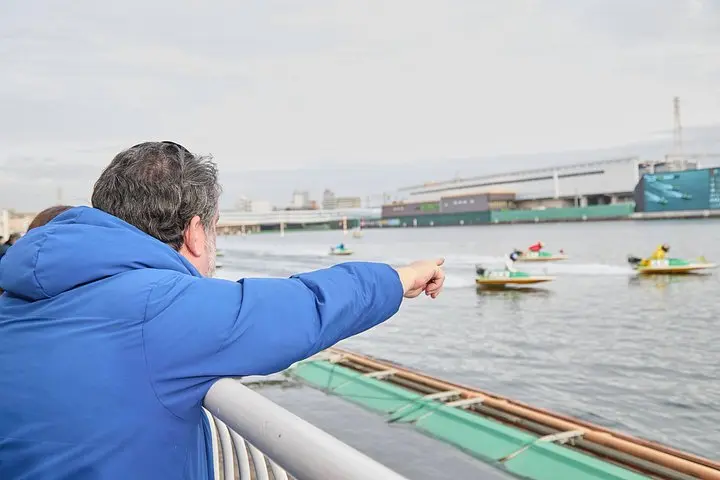
Boat racing (kyōtei) is a postwar, licensed spectator sport that grew into a regional pastime across Japan. The stadium sits on the flat, reclaimed edges of the Osaka Plain near the tides of Osaka Bay—an engineered waterfront where speed and industry have long met leisure. After the races, drift into a nearby retro izakaya in Amagasaki’s shopping arcade: lacquered counters, handwritten menus, and the warm insistence of a yakitori skewer passed across a communal table.
Practical pointers: arrive by train or local bus—public transit drops you within a short walk—and carry cash or an IC card for snacks and small purchases. Expect loud announcements and quick bursts of standing-room energy during race heats; lightweight ear protection can help if you’re sensitive. Plan a two- to three-hour visit to combine a full set of races with a relaxed izakaya stop.
This short loop of high-adrenaline racing and low-key after-hours conviviality offers an authentic, compact window into Kansai nightlife—fast, friendly, and equally at home with a rookie’s first bet or a seasoned local’s ritual.
No—your guide provides a ¥500 token and step-by-step instruction on placing simple bets suitable for beginners.
Yes—Amagasaki is well-served by trains and buses; the stadium and local arcades are a short walk from transit stops.
Yes—this private tour is friendly for solo travelers, couples, and small groups with English-speaking guide support.
Yes—izakayas welcome drinkers, but avoid driving afterward and follow local etiquette around seating and ordering.
DeepExperience operates guided outdoor trips and adventures with an emphasis on safety, stewardship, and memorable experiences.
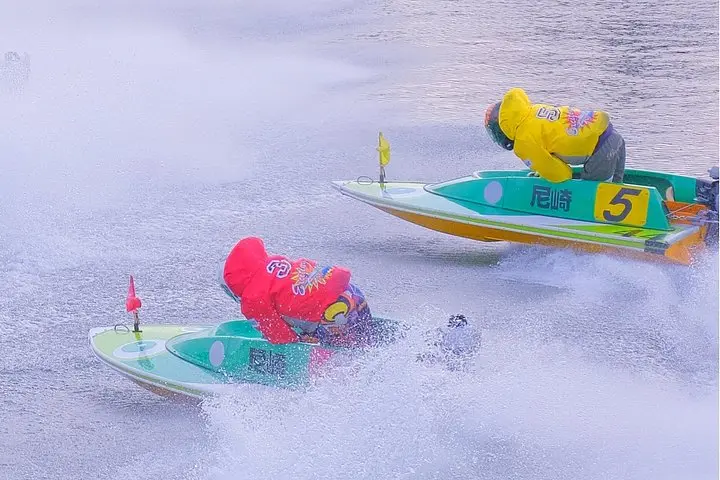
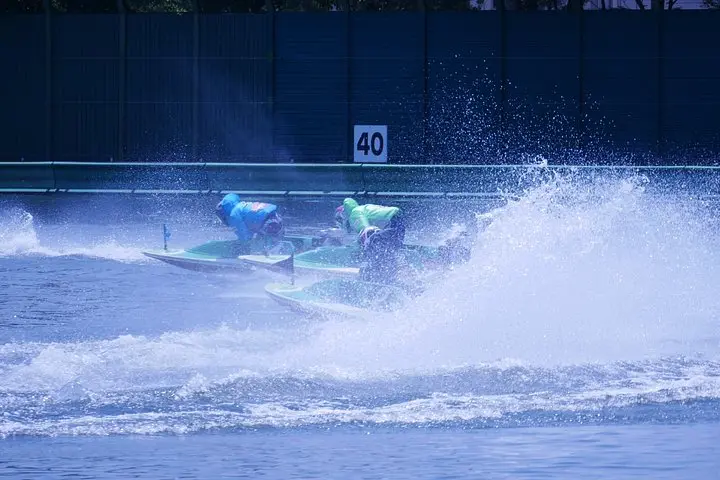
The roar arrives before the boats come into view—an arena of bright helmets, polished hulls and the sharp spray of water that punctures the humid Kansai air.
The roar arrives before the boats come into view—an arena of bright helmets, polished hulls and the sharp spray of water that punctures the humid Kansai air.
At Amagasaki Boat Race Stadium you stand shoulder-to-shoulder with locals as hydroplanes slice across a narrow course at speeds up to 80 km/h. Your guide hands you a ¥500 betting token and walks you through the simple markers and odds; the language of the crowd—cheers, gasps, and synchronized clapping—feels like its own dialect.
Boat racing (kyōtei) is a postwar, licensed spectator sport that grew into a regional pastime across Japan. The stadium sits on the flat, reclaimed edges of the Osaka Plain near the tides of Osaka Bay—an engineered waterfront where speed and industry have long met leisure. After the races, drift into a nearby retro izakaya in Amagasaki’s shopping arcade: lacquered counters, handwritten menus, and the warm insistence of a yakitori skewer passed across a communal table.
Practical pointers: arrive by train or local bus—public transit drops you within a short walk—and carry cash or an IC card for snacks and small purchases. Expect loud announcements and quick bursts of standing-room energy during race heats; lightweight ear protection can help if you’re sensitive. Plan a two- to three-hour visit to combine a full set of races with a relaxed izakaya stop.
This short loop of high-adrenaline racing and low-key after-hours conviviality offers an authentic, compact window into Kansai nightlife—fast, friendly, and equally at home with a rookie’s first bet or a seasoned local’s ritual.